
Structural Fiber Integrity
When you pull a loose thread on a favorite shirt, the entire fabric often begins to pucker and distort under the sudden strain. This reaction highlights the delicate balance between the strength of individual fibers and the tension applied during the construction of complex textile garments.
The Mechanics of Fiber Tension
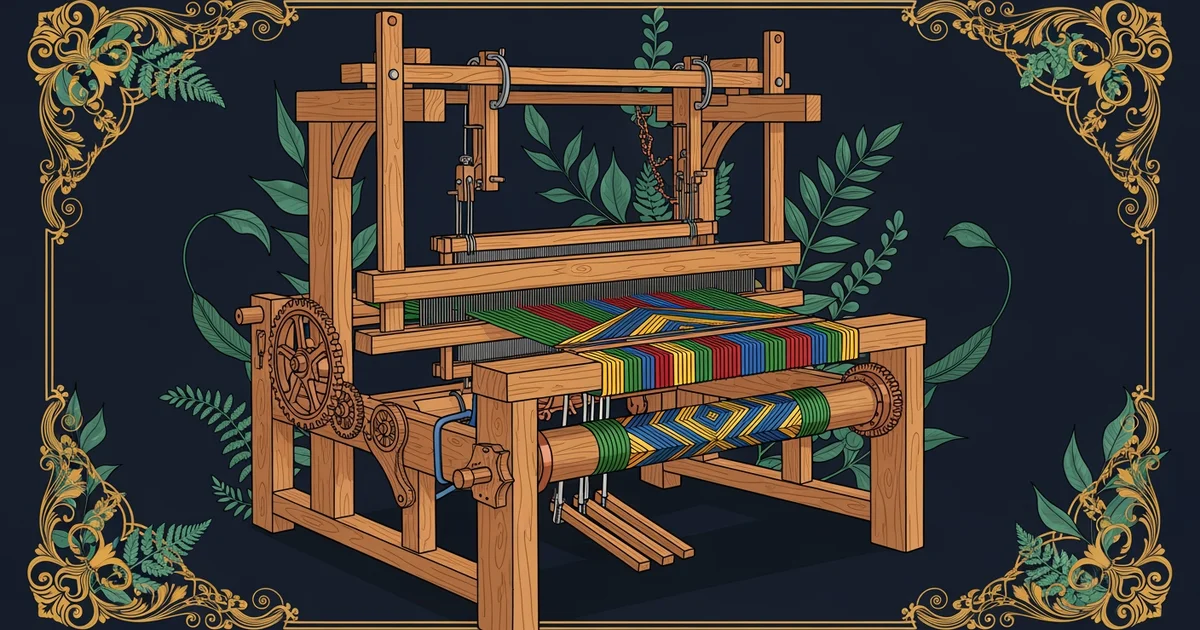
Every fabric starts with raw fibers that possess unique physical properties, including elasticity and tensile strength. When these fibers are woven or knitted, the machine creates a specific amount of tension to ensure the structure remains uniform throughout the production process. If the tension is too high, the fibers stretch beyond their natural capacity, which causes them to snap back once the fabric is released from the loom. This snap-back effect results in puckering, where the fabric looks wavy or distorted because the fibers are fighting against the tight weave. Think of this like stretching a rubber band across a frame; if you pull it too hard, the frame might bend, or the rubber band will lose its ability to return to its original flat shape once you let go.
Key term: Tensile strength — the maximum stress a material can withstand while being stretched or pulled before it breaks or permanently deforms.
Maintaining proper fiber integrity requires a deep understanding of how different materials react to mechanical force during manufacturing. Natural fibers like cotton often require different tension settings compared to synthetic fibers like polyester because their molecular structures behave differently under pressure. Cotton fibers are relatively inelastic, meaning they do not stretch much before they reach their limit, whereas synthetic fibers often have high elasticity and can handle more aggressive tension during the weaving stage. Manufacturers must calibrate their equipment to match these specific material needs to avoid damaging the integrity of the base textile.
Adjusting for Fabric Stability
When we look at the stability of a finished textile, we must consider how the interaction of warp and weft threads creates a stable surface. The warp threads run vertically and provide the primary structural foundation, while the weft threads run horizontally to fill the space and create the weave pattern. If the tension between these two sets of threads is unbalanced, the fabric will inevitably pull toward the side with higher tension. This imbalance creates a permanent bias in the cloth, making it difficult to cut or sew into a garment that hangs straight on a human body. Achieving structural integrity means balancing these forces so the fabric remains square and predictable for the end user.
To ensure consistent quality, technicians often follow a standard set of protocols during the setup phase of textile production:
- Calibrating the tension sensors ensures that every thread receives the exact amount of force required to maintain a uniform weave without causing structural fatigue or fiber breakage.
- Monitoring the environmental humidity allows the material to retain its natural moisture content, which prevents fibers from becoming brittle and snapping under standard machine operating pressures.
- Inspecting the take-up roll speed prevents the fabric from being pulled too quickly, which would otherwise stretch the fibers and induce unwanted puckering after the tension is removed.
By following these steps, producers can mitigate the risks associated with mechanical strain and ensure that the final product maintains its intended shape and texture over time. This level of precision is what separates high-quality textiles from mass-produced fabrics that lose their form after only a few uses. Understanding these mechanics allows designers to predict how a fabric will perform in real-world conditions, such as during laundry cycles or prolonged wear. The goal is always to create a balance where the fibers are held securely without being over-stressed, ensuring the longevity of the final garment.
Structural fiber integrity depends on balancing the applied mechanical tension during production to match the unique elasticity and strength of the chosen material.
Now that we understand how tension shapes the fabric structure, how do we apply finishing processes to lock these fibers into their final, permanent form?