
Origins of Textile Arts
Imagine you are standing in a forest without any modern tools or synthetic materials. You need to keep your body warm against the cold wind and protect your skin from sharp rocks. You look at the plants and animals around you and realize that nature provides the raw ingredients for survival. This fundamental need to cover the human body sparked the very first inventions in the history of textile arts. Early humans learned to manipulate natural fibers to create essential items like cordage, baskets, and basic garments. This process of turning raw plant stems or animal hair into functional items remains the foundation of all fabric creation today. By understanding how these early people worked with their hands, we see the true origins of the clothes we wear every single day.
The Evolution of Early Fiber Use
Early humans relied on their environment to find materials that could be woven or twisted into useful shapes. They discovered that certain plants had long, flexible stalks that stayed strong even when they were bent or pulled. When they twisted these plant fibers together, they created cordage, which acted like a strong rope for building shelters or tying tools. Think of this process like making a sturdy braid from several thin strands of hair to create one thick, unbreakable rope. This simple act of twisting fibers changed how humans interacted with their world because it allowed them to secure resources and move heavy objects with ease. This innovation was not just about comfort but was a vital part of staying alive in harsh climates.
Key term: Cordage — a length of string, rope, or twine made by twisting or braiding natural fibers together for strength.
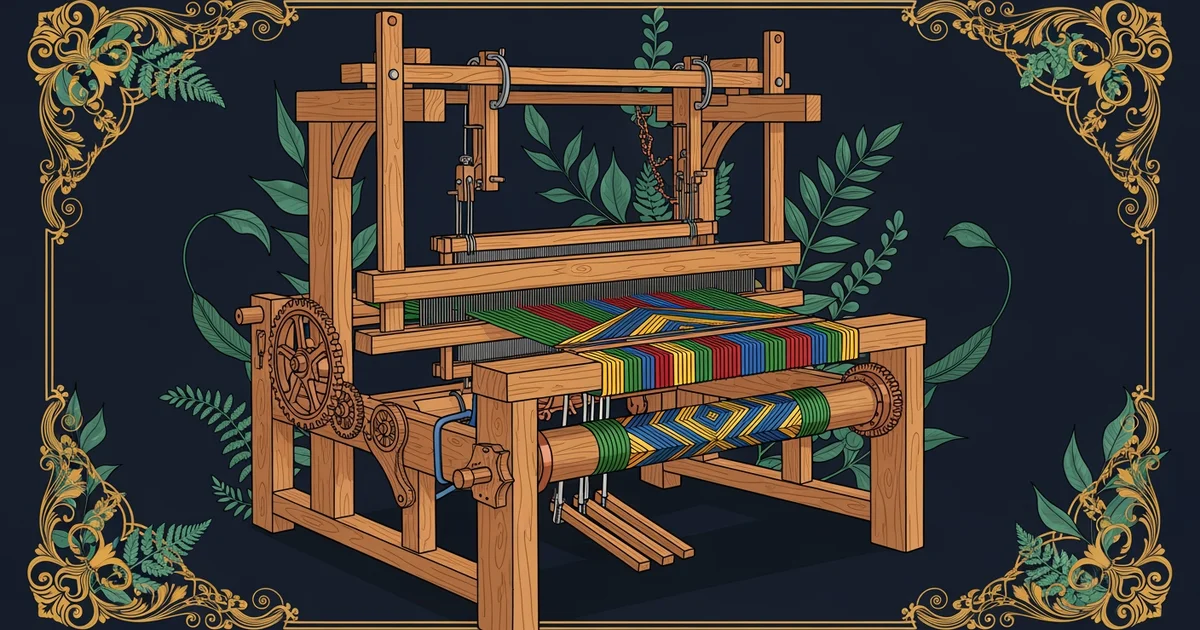
As people became more skilled, they moved from simple cordage to creating flat surfaces that could wrap around the body. They used a process called weaving, where they interlaced two sets of fibers at right angles to form a stable cloth. This technique allowed for the creation of blankets, mats, and eventually basic clothing that offered better protection than animal skins alone. The shift from using raw materials to creating structured fabrics represents a major leap in human ingenuity and design. Weaving requires a deep understanding of how different textures and strengths work together to form a cohesive whole. This knowledge allowed early societies to adapt to new environments by changing the density and thickness of their woven materials.
Understanding Natural Material Properties
Not all fibers are the same, and early makers had to learn which materials worked best for specific tasks. They categorized materials based on how they felt, how much weight they could hold, and how well they resisted water or heat. This early form of material science helped them choose the right plant or animal source for the job at hand. The following table highlights the common natural sources used by early people to create their daily tools and clothing items.
| Material Source | Primary Use | Key Characteristic |
|---|---|---|
| Plant Stalks | Cordage | High tensile strength |
| Animal Hair | Insulation | Heat retention ability |
| Tree Bark | Shelter Mats | Durable water resistance |
These materials were not just random choices but were carefully selected based on the needs of the community. For example, animal hair was perfect for winter clothing because it trapped air to keep the body warm. In contrast, plant stalks provided the rigid structure needed for baskets and containers used to store food supplies. By mastering these diverse materials, early humans created a complex system of production that supported their growing populations. This ability to manipulate the natural world through fiber arts is what allowed human culture to flourish across different continents and climates.
Humanity transformed simple natural fibers into complex tools and fabrics by learning to manipulate the physical properties of plants and animal materials for survival.
By the end of this path, you will understand the full journey from these ancient raw materials to the sophisticated synthetic fabrics that define our modern experience.