
Future of Social Research
Digital footprints left by our daily online activities now form a massive, invisible map of human behavior. Have you ever considered that every click, post, or search acts as a breadcrumb leading researchers toward a clearer understanding of modern society?
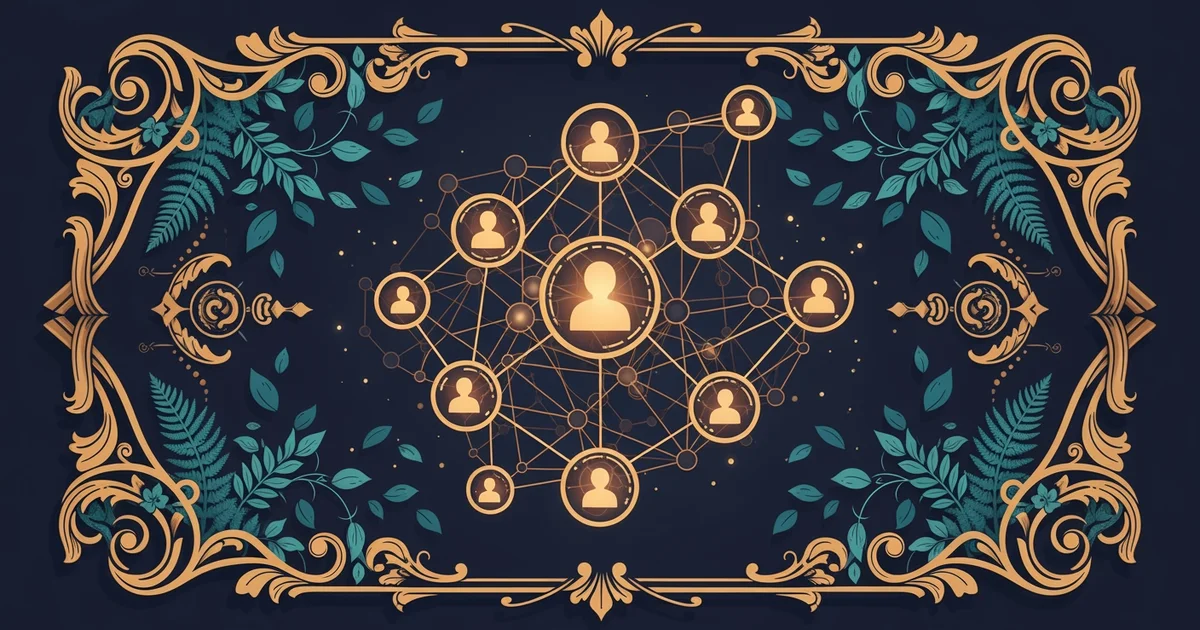
The Evolution of Social Data
Social science historically relied on surveys and interviews to capture a snapshot of how people think. These methods were slow and limited by the small number of participants researchers could reach effectively. Today, we access vast streams of real-time data that reveal hidden patterns in how communities interact and grow. This shift changes social research from a static observation into a dynamic, ongoing process of discovery. Think of this transition like moving from a blurry, hand-drawn map to a live satellite feed that updates every second. We no longer wait for a census to understand societal trends because digital behavior provides a continuous pulse of public opinion. By integrating these massive datasets, we can see the complex interplay between individual choices and larger group outcomes more clearly than ever before.
Key term: Computational Sociology — the use of large-scale digital data and advanced algorithms to analyze and model complex social structures and human interactions.
Integrating Past and Future Patterns
Previous stations explored how public health modeling uses data to track disease, while other lessons examined how digital networks influence our personal connections. These paths show that social research is becoming a synthesis of biology, technology, and traditional sociology. We now see that digital data reveals the hidden patterns that shape our complex human societies by connecting individual health choices to wider social movements. When we combine the analytical rigor of health modeling with the network theory of sociology, we gain a holistic view of human society. This synthesis allows researchers to predict how a local trend might spread globally or how a policy change could shift community behavior. The challenge remains to interpret this information with care, ensuring that we respect individual privacy while uncovering truths about our collective existence.
We can categorize the primary tools of future social research by their core function:
- Predictive Analytics uses historical data to forecast future social trends, helping leaders prepare for shifts in population behavior or economic changes.
- Network Visualization maps the connections between individuals and groups, revealing how information flows through a society and where social barriers might exist.
- Sentiment Analysis processes massive amounts of text from digital platforms to measure public mood, identifying how emotional states change during major events.
Navigating Future Ethical Challenges
As we refine these research methods, we must address the tension between data access and the right to personal privacy. The ability to track human behavior brings a responsibility to use that power for the benefit of society rather than for manipulation. Future research will likely focus on transparent models that allow citizens to understand how their data contributes to the common good. We must ask ourselves if our current tools are sufficient to protect the vulnerable populations we study. This field will continue to evolve as we balance the need for deep social insight with the fundamental need for individual autonomy. By keeping these ethical questions at the center of our work, we ensure that the future of social science remains a tool for empowerment.
| Research Tool | Primary Data Source | Key Insight Provided |
|---|---|---|
| Predictive Modeling | Historical trends | Future behavior patterns |
| Network Mapping | Digital connections | Flow of influence/ideas |
| Sentiment Analysis | Social media text | Collective emotional state |
This table illustrates how specific tools extract different types of value from the massive amounts of digital information we generate daily. Each tool serves as a lens, focusing on a unique aspect of society to provide a clearer picture of our shared reality. As we move forward, the integration of these tools will become more seamless, allowing for a truly comprehensive understanding of how societies function.
Future social research synthesizes vast digital data streams with traditional sociological theories to uncover the complex forces driving human behavior.
The final project integration will now allow you to apply these research methods to your own unique inquiry.