
Future Ocular Innovations
Imagine a world where damaged eyes regain sight through tiny machines that replace lost biological cells. While humans once accepted permanent vision loss as a final reality, modern science now challenges this limitation. Researchers explore ways to bridge gaps between broken light-sensing tissues and the visual cortex itself. This field shifts our focus from simple maintenance to complete restoration of lost functions. By merging biology with engineering, innovators turn science fiction into a tangible medical path forward.
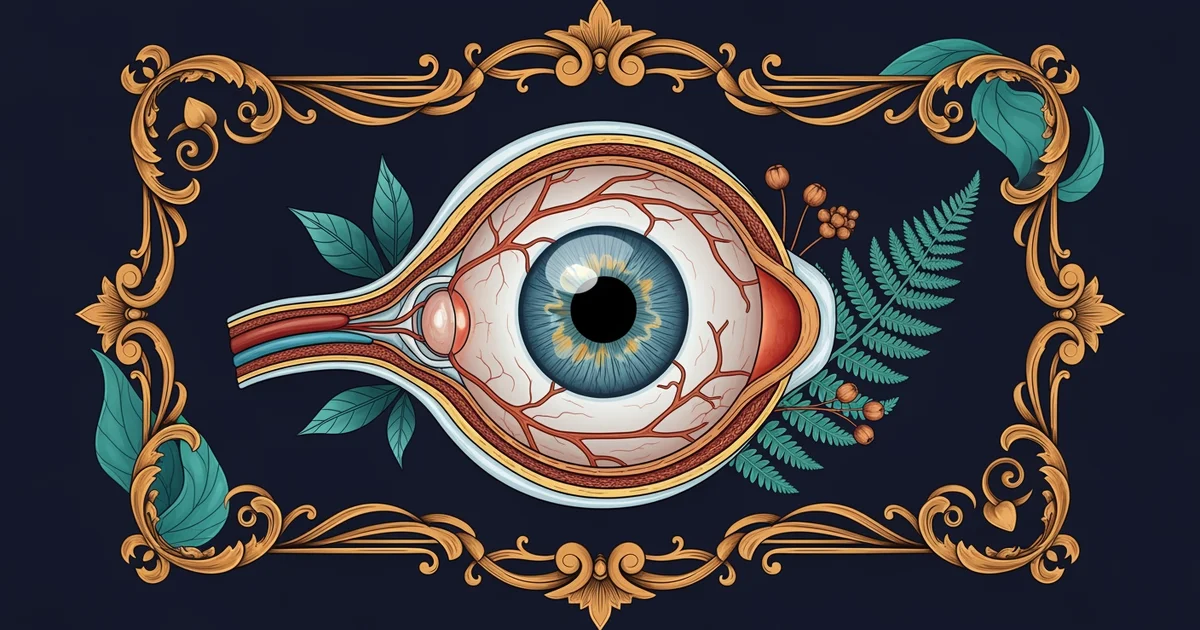
Advanced Retinal Prosthetics
When light cannot reach the brain because of damaged cells, retinal implants offer a potential bypass. These devices function like a digital camera sensor placed inside the eye to capture incoming light. The implant converts light into electrical signals that travel directly to the optic nerve. Think of this process like replacing a broken bridge on a highway with a temporary ferry service. While the original road remains closed, the ferry allows traffic to flow again between two disconnected points. This technology helps people distinguish shapes and movement patterns that were previously hidden by darkness.
Key term: Retinal implants — sophisticated electronic devices designed to restore partial vision by stimulating remaining retinal cells with electrical pulses.
These implants represent a major leap from the basic care discussed in earlier lessons. While previous stations focused on preventing damage, this innovation addresses the physical repair of the eye. The complexity of this task requires precise alignment between hardware and the human nervous system. If the signals are too weak, the brain ignores them, but if they are too strong, the patient feels discomfort. Engineers must balance these electrical inputs to match the natural rhythm of human vision.
Future Gene Therapy Horizons
Beyond mechanical hardware, scientists now look toward modifying the genetic code to repair ocular tissues. Gene therapy targets the root cause of inherited conditions that lead to blindness over time. By delivering healthy genetic material into the eye, doctors encourage cells to produce proteins they were missing. This approach treats the eye like a living factory that needs a new instruction manual to function correctly. Instead of using external tools, the body repairs itself from within using its own biological resources.
Recent studies indicate that these genetic interventions hold promise for several specific types of vision loss. The following list highlights key areas where researchers currently focus their efforts:
- Correcting faulty genetic sequences that prevent photoreceptor cells from developing properly in young people.
- Delivering viral vectors that carry corrective tools directly into the retina to stop progressive cell death.
- Enhancing the survival rate of existing neurons so they can process light signals more efficiently than before.
These methods interact with the complex eye structures we examined in our first station. While the eye transforms light into images, gene therapy ensures the biological components are strong enough to perform that task. The tension in this field arises from the difficulty of reaching deep tissue layers without causing accidental damage. Researchers continue to test new delivery methods to improve the safety and effectiveness of these treatments for patients.
| Technology | Primary Method | Goal | Targeted Tissue |
|---|---|---|---|
| Prosthetics | Electronic | Bypass | Optic Nerve |
| Gene Therapy | Biological | Repair | Retina Cells |
| Stem Cells | Regenerative | Replace | Damaged Tissue |
This table shows how different innovations serve distinct roles in clinical medicine. Prosthetics provide immediate input, while gene therapy works to restore the natural biological function of the eye. Combining these strategies might one day offer a complete solution for those suffering from severe vision loss. The future of ocular health relies on our ability to combine mechanical precision with the natural power of human biology. Understanding these tools helps us appreciate how far medical science has moved toward solving the mystery of sight.
Future ocular innovations move beyond simple maintenance by using electronic bypasses and genetic tools to restore lost biological vision functions.
Medical science now stands on the brink of turning sight restoration into a standard clinical reality for patients. This content is educational only and does not constitute medical advice. Always consult a qualified healthcare professional for personal health decisions.