
Evolution of Vision
Imagine staring at a busy street corner where thousands of tiny details shift every single second. Your eyes capture this motion with ease, yet creatures like dragonflies see the world through a vastly different lens. While humans rely on a single, fluid image, insects process life through thousands of individual segments that act like a mosaic. This difference in biological design highlights how nature solves the problem of sight. Understanding these unique systems reveals why our own eyes evolved to prioritize depth and clarity over the wide-angle motion detection found in smaller species.
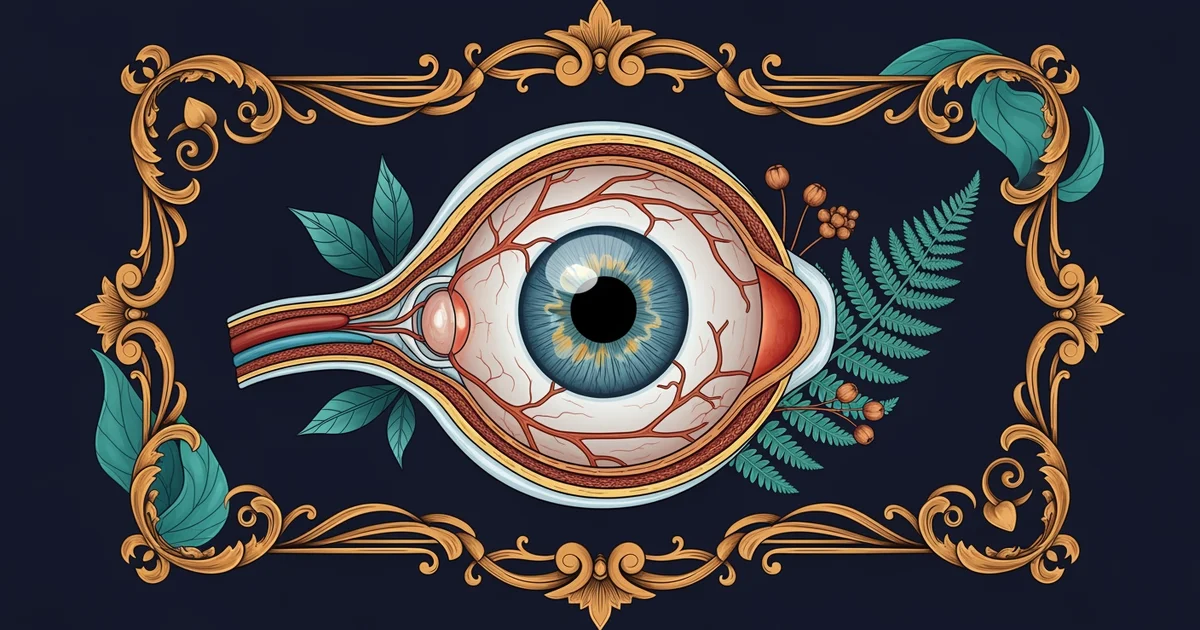
The Evolution of Visual Systems
Biological vision began as a simple method for organisms to detect basic changes in light. Early life forms needed to know if they were in a dark cave or under bright sunlight. Over millions of years, these light-sensitive spots evolved into more complex structures that could form actual images. This transition allowed animals to navigate their environments with much greater precision than ever before. Humans possess a camera-style eye that functions like a high-quality lens focusing light onto a single sensitive sheet. This design provides high resolution, which helps us identify faces and read fine details at a distance. The evolution of this specific structure was a major turning point for vertebrate survival.
In contrast, many invertebrates developed a compound eye that works through a different set of physical principles. Instead of one large lens, these creatures utilize thousands of tiny, independent units called ommatidia. Each unit captures a small portion of the visual field, which the brain then stitches together into a single composite view. Think of this like a digital billboard made of thousands of individual light bulbs. If you stand close to the billboard, you see the gaps and the individual bulbs. If you step back, the gaps disappear and the image becomes clear. This system is perfect for detecting rapid motion, which is vital for insects that must dodge predators.
Key term: Ommatidia — the individual light-sensing units that make up the compound eyes found in many insects and crustaceans.
Comparing Biological Strategies
When we compare these two distinct pathways, we see clear advantages for different survival strategies. Humans need to track objects over long distances, so our camera-style eye remains the superior tool for focus. Insects, however, often live in environments where identifying a fast-moving threat is more important than seeing a crisp image. Their eyes excel at processing flickering light, which allows them to react to movement much faster than a human could. The following table highlights the key differences between these two common visual architectures found in the natural world.
| Feature | Camera-Style Eye | Compound Eye |
|---|---|---|
| Lens Count | Single primary lens | Thousands of tiny lenses |
| Image Focus | High central clarity | Wide field of view |
| Motion Detection | Moderate speed | Extremely fast reaction |
| Best Use Case | Long-range identification | Rapid motion tracking |
These differences show that there is no single best way to build an eye. Evolution shapes visual organs based on the specific needs of the animal within its habitat. A predator needing to spot prey from a mile away requires the high resolution of a camera-style eye. A small insect needing to avoid a flyswatter requires the rapid refresh rate of a compound eye. Both systems demonstrate how life adapts to the physics of light to ensure survival in a complex and changing world. By studying these variations, scientists can better understand how our own vision processes the vast amount of information we receive every single day.
Vision systems evolve as specialized tools that prioritize either high resolution for detail or rapid processing for motion depending on the survival needs of the species.
Next, we will explore how the retina transforms these incoming light signals into the complex electrical messages that your brain interprets as sight.
This content is educational only and does not constitute medical advice. Always consult a qualified healthcare professional for personal health decisions.