
Color Perception Science
When you look at a vibrant sunset, your eyes perform a complex task that feels completely effortless. The human eye does not just capture light, it interprets wavelengths as distinct colors to create our visual world. Because light exists as a continuous spectrum of energy, our eyes must categorize these waves into the colors we recognize. This process relies on specialized cells located within the retina that act as biological sensors for different light frequencies. Without these sensors, the world would appear in shades of gray rather than the vivid spectrum we experience daily.
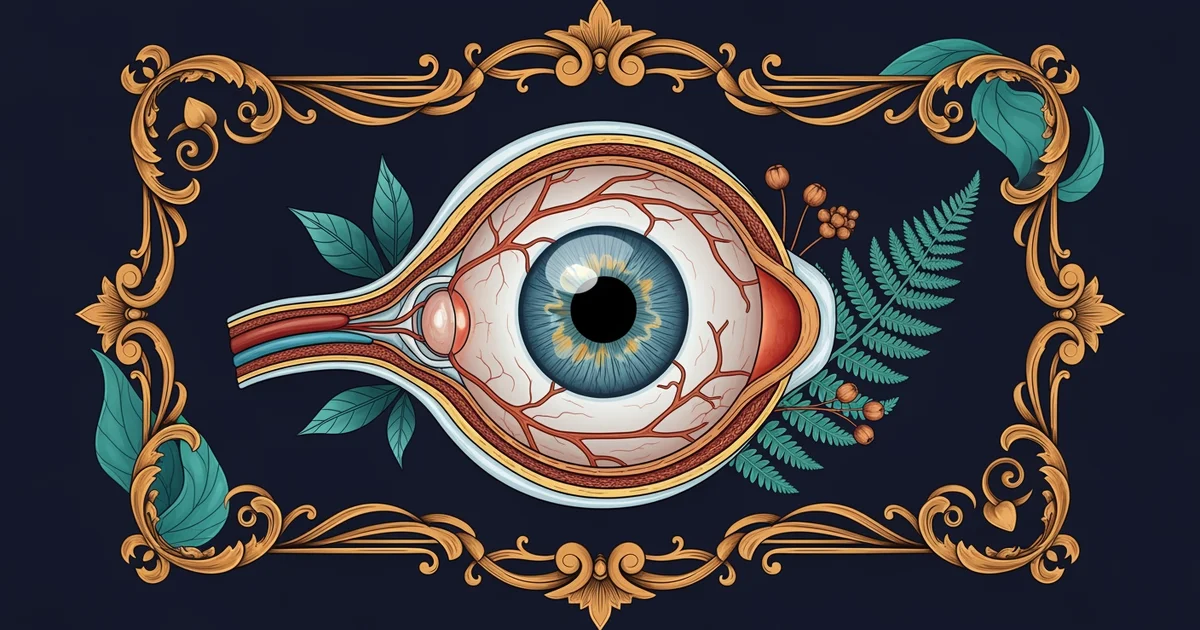
The Function of Photoreceptor Cells
To understand how we see color, we must look at the specific cells responsible for light detection. The retina contains two main types of photoreceptors, but only one type manages color perception. These cells are known as cone cells, and they function best in bright lighting conditions. Unlike their counterparts that detect low light, these cells possess specific pigments that react to different segments of the light spectrum. Think of these cells like a digital camera sensor that uses three color filters to build a full-color image. By comparing the strength of signals from each cell type, the brain determines the exact hue of every object within our field of vision.
Key term: Cone cells — specialized retinal photoreceptors that detect specific light wavelengths to enable color vision in bright environments.
There are three distinct varieties of these cells, and each responds to a different range of wavelengths. These categories are often described based on their sensitivity to specific parts of the visible spectrum. The following table outlines how these cells categorize incoming light waves into the colors we perceive:
| Cone Type | Primary Sensitivity | Perception Range | Peak Wavelength |
|---|---|---|---|
| S-Cone | Short wavelengths | Violet and blue | 420 nanometers |
| M-Cone | Medium wavelengths | Green and yellow | 530 nanometers |
| L-Cone | Long wavelengths | Red and orange | 560 nanometers |
The Mechanics of Trichromatic Theory
Once the light hits the retina, the trichromatic theory explains how these signals combine to form our color perception. This theory suggests that our brain receives input from these three cell types simultaneously. When an object reflects light, it stimulates these receptors in varying degrees of intensity. If an object reflects light that stimulates both red and green sensors equally, the brain interprets this as yellow. This system is remarkably efficient because it uses only three input channels to create millions of unique color variations. Much like a painter mixing three primary colors to create a full palette, our visual system blends these electrical signals into a seamless experience.
Consider the analogy of a digital banking system that processes transactions through different account types. Just as a bank tracks funds across savings, checking, and investment accounts to calculate a total balance, the brain tracks signals from S, M, and L cells. If one account type reports a low balance, the total calculation changes, just as a lack of stimulation in one cone type shifts our color perception. This biological balancing act ensures that we can distinguish between subtle shades even in changing light conditions. This constant comparison is how the brain maintains consistent color vision throughout the day.
Now that you understand how cone cells detect different light wavelengths, we can explore how the brain processes these signals. The next Station introduces visual cortex integration, which determines how the brain interprets these electrical signals into the final images we perceive. This content is educational only and does not constitute medical advice. Always consult a qualified healthcare professional for personal health decisions.
Color perception arises from the brain comparing relative levels of stimulation across three distinct types of cone cells.
The next Station introduces visual cortex integration, which determines how the brain interprets these electrical signals into the final images we perceive.