
Water Contamination Risks
In 2014, when the city of Flint changed its water source to the Flint River, residents noticed the liquid flowing from their taps turned brown and smelled of iron. This shift in water chemistry highlights how infrastructure changes directly impact the safety of the public water supply. This event serves as a stark reminder of the hidden chemical threats discussed in Station 1, where we first established how environmental factors alter our daily bodily functions. Understanding the physical properties of water purity is essential for recognizing when a supply has been compromised by industrial or environmental pollutants.
The Mechanics of Water Contamination
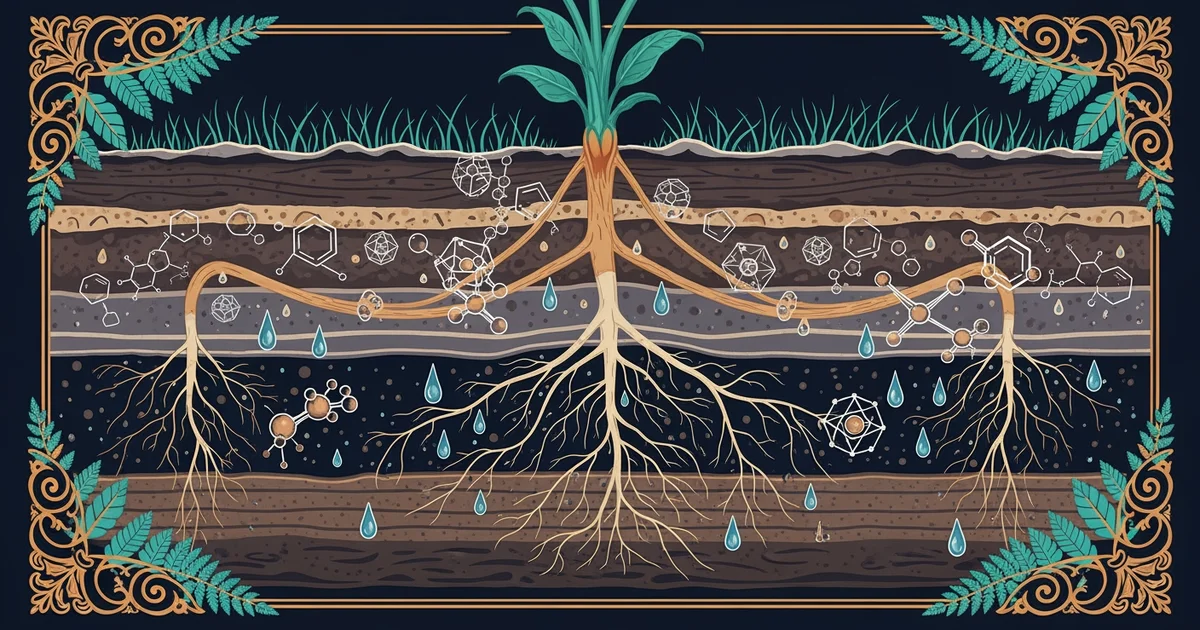
Water contamination occurs when foreign substances enter a supply and change its chemical or biological profile. These substances often include heavy metals, synthetic chemicals, or agricultural runoff that seep into groundwater or surface sources. When these materials enter the distribution network, they often interact with aging pipes to create secondary hazards. For instance, if the water chemistry becomes too acidic, it can dissolve lead or copper from old plumbing materials. This process, known as leaching, introduces toxic elements into the water that people consume daily. Just as a bank might experience a sudden drain of funds due to poor security, a water system experiences a loss of integrity when chemical barriers fail to prevent the entry of these harmful substances. The primary goal of testing is to identify these invisible threats before they reach the tap, ensuring the water remains fit for human use.
Analyzing Purity Standards and Filtration
Testing water for purity involves measuring specific chemical parameters to ensure they fall within safe levels for the general population. Laboratories monitor several key indicators to determine if the water remains stable and free from dangerous concentrations of pollutants. These indicators provide a snapshot of the water quality at a given moment in time, allowing experts to flag potential issues early. Effective management of these supplies requires constant vigilance and the application of advanced filtration techniques to remove impurities.
To ensure water safety, experts rely on a set of standardized testing methods:
- pH Level Monitoring tracks the acidity of the water, which helps predict if the liquid will cause pipe corrosion.
- Turbidity Testing measures the cloudiness of the water caused by suspended particles that might carry hidden bacteria or chemicals.
- Heavy Metal Analysis detects the presence of elements like lead, mercury, or arsenic that cause long-term health issues for people.
Key term: Filtration — the physical or chemical process of removing suspended solids and dissolved contaminants from a liquid supply.
Filtration acts as the final gatekeeper in the journey from source to tap. Different systems use various materials to capture contaminants, ranging from sand filters that trap large particles to charcoal filters that bind with chemical molecules. These systems must be maintained regularly to prevent them from becoming sources of contamination themselves. When a filter becomes saturated with trapped pollutants, it can no longer protect the water and requires immediate replacement to remain effective. This cycle of testing and filtration ensures that the water supply remains a reliable resource for everyone.
Maintaining water safety requires continuous chemical monitoring and the active removal of harmful substances to prevent long-term health risks.
But this model of centralized safety breaks down when local infrastructure suffers from chronic neglect and aging pipe systems.
This content is educational only and does not constitute medical advice. Always consult a qualified healthcare professional for personal health decisions.