
Cellular Toxicity Mechanisms
Tiny chemical intruders often slip past the body’s defenses and disrupt the delicate inner workings of our cells. When these toxic agents enter the bloodstream, they begin a chain reaction that alters how our biological machinery functions on a daily basis.
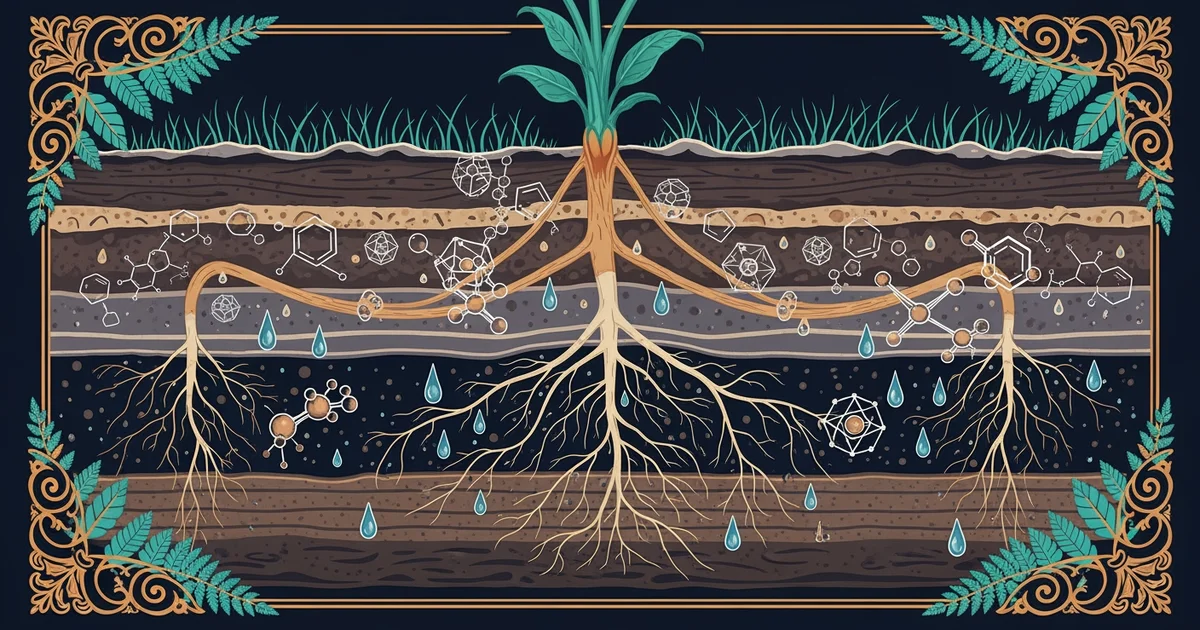
Understanding Molecular Disruption
When foreign substances enter a cell, they frequently target the power plants known as mitochondria. These structures generate energy for all cellular processes, much like a power grid provides electricity to a busy city. If a toxin blocks the chemical pathways within these units, the cell loses its primary fuel source. Without sufficient energy, the cell cannot repair its own structures or perform its necessary tasks. This failure creates a ripple effect, causing the cell to struggle with basic maintenance and survival. Just as a city faces chaos during a blackout, a cell experiences severe dysfunction when its internal power supply is suddenly cut off.
Key term: Mitochondria — the specialized compartments within a cell that convert nutrients into the chemical energy required for survival and growth.
Once the energy supply falters, the cell may suffer from oxidative stress due to an imbalance of reactive molecules. These reactive species damage the structural integrity of the cell membrane and the genetic material inside the nucleus. When the protective walls of the cell are compromised, the internal environment becomes unstable and vulnerable to further harm. This damage prevents the cell from communicating effectively with its neighbors or responding to vital signals from the body. The following table outlines how toxins disrupt these three essential cellular functions:
| Function | Impact of Toxicity | Resulting Consequence |
|---|---|---|
| Energy | Mitochondrial blockage | Reduced fuel production |
| Integrity | Membrane lipid damage | Leaking of cell contents |
| Signaling | Receptor interference | Loss of coordination |
Mechanisms of Cellular Failure
Beyond damaging the power supply, toxins often interfere with the complex systems that remove waste products. Cells rely on specialized transport proteins to export harmful byproducts before they accumulate to dangerous levels. If a toxin binds to these transport proteins, the cell becomes trapped in a cycle of self-pollution. This accumulation of waste acts like a clogged drain in a kitchen sink, eventually causing the entire system to overflow. As waste builds up, it triggers internal alarm signals that may cause the cell to shut down permanently. Research indicates that this specific mechanism is a primary driver of tissue damage in many environmental exposure cases.
To manage these threats, the body employs several defense strategies to neutralize or isolate the toxic agents before they reach critical levels. These processes are not always perfect, and they can be overwhelmed by high concentrations of harmful chemicals. The following list details the steps the body takes when it detects these chemical threats:
- Detoxification enzymes convert fat-soluble toxins into water-soluble forms to make them easier to remove from the system.
- Specialized transport proteins bind to the neutralized toxins and carry them safely toward the organs responsible for elimination.
- The kidneys and liver filter the blood to extract these waste products, ensuring they exit the body through natural channels.
When these systems function correctly, the body maintains a balance known as homeostasis, which keeps cells operating within safe limits. However, when toxins bypass these defenses, the molecular machinery begins to fail, leading to broader health issues for the individual involved. Understanding these mechanisms helps researchers identify how environmental factors influence long-term wellness outcomes. This knowledge provides a foundation for developing strategies to support the body in its constant battle against hidden chemical threats in our natural surroundings.
Cellular toxicity occurs when foreign chemicals disrupt energy production, structural integrity, and waste management, causing cells to lose their ability to function and survive.
But what does it look like when these tiny molecular mistakes begin to influence our genetic code over time?
This content is educational only and does not constitute medical advice. Always consult a qualified healthcare professional for personal health decisions.
Want this with sources you can check?
Premium Learning Paths for Medicine & Health Sciences are researched against open-access libraries — PubMed, arXiv, government databases, and more — with their distinctive claims cited to real sources and independently checked.
See what Premium includes