
Persistence in the Environment
Imagine a plastic bottle discarded in a forest that remains unchanged while seasons pass and trees grow tall. This simple object serves as a silent witness to materials that resist natural breakdown processes in our environment. When substances do not degrade quickly, they linger in soil and water for decades or even centuries. This quality creates a unique challenge for living organisms that share these spaces every single day. Understanding why certain chemicals remain active helps us see how hidden threats influence the health of our natural surroundings.
The Mechanics of Chemical Stability
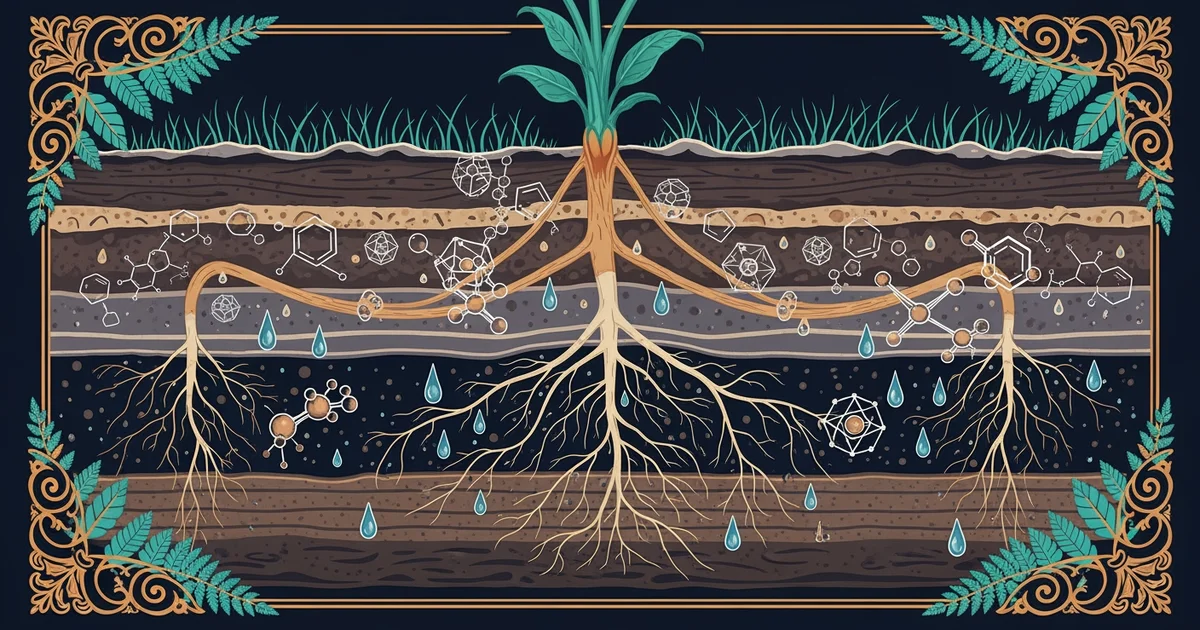
Chemicals that resist natural breakdown are known for their persistence. This term describes the ability of a substance to remain in the environment without losing its original structure. When a molecule is highly stable, it resists the efforts of sunlight, water, and soil bacteria to tear it apart. Think of this process like a sturdy, high-quality container in a busy kitchen. While perishable food items spoil and vanish within days, a durable plastic tub stays intact through many wash cycles. This stability is an economic advantage for manufacturing, but it creates a long-term presence in the ecosystem.
Key term: Persistence — the property of a substance that allows it to remain in the environment for long periods without breaking down into simpler components.
Environmental researchers measure this duration by looking at how long a substance stays before its concentration drops by half. This measurement is often called a half-life. If a chemical has a very long half-life, it accumulates in the environment because the rate of entry exceeds the rate of removal. Over time, these substances move through food chains and reach levels that were not originally intended. The stability of these molecules means they can travel far from their source, carried by wind or water currents to distant regions.
Factors Influencing Environmental Duration
Several physical and biological factors determine whether a chemical will vanish or stay put. Sunlight, for example, can break down some organic compounds through a process called photodegradation. Similarly, microorganisms like bacteria in the soil act as nature's recyclers by consuming and transforming complex molecules into harmless waste. When a chemical is designed to be resistant to these natural forces, it becomes a persistent pollutant. The following table highlights common characteristics that contribute to the longevity of these substances in various environmental settings.
| Feature | Effect on Stability | Example Process |
|---|---|---|
| Molecular Bond | High strength binds atoms | Resistance to heat |
| Water Solubility | Low solubility keeps it solid | Accumulation in soil |
| Biological Decay | Resists bacterial enzymes | Long-term presence |
These factors work together to dictate the total exposure time for humans and wildlife. When a substance is both stable and resistant to biological breakdown, it effectively locks itself into the local environment. This creates a persistent exposure risk because the chemical does not simply disappear after its initial use. Instead, it enters a cycle of movement between soil, water, and living tissue. People living in areas with high levels of these substances may experience chronic exposure due to the sheer duration of the chemical presence.
Understanding these patterns helps scientists predict which materials will pose the greatest risk to public health over time. By evaluating the stability of new chemicals before they enter the market, experts can prevent the buildup of materials that are impossible to remove later. This proactive approach relies on the core concept of persistence to ensure that environmental safety remains a priority during industrial development. Every decision regarding chemical use must account for the reality that what we release into the world often stays there for a very long time.
Persistence defines the duration of potential biological exposure by determining how long a chemical remains active in the environment before natural forces can break it down.
The next Station introduces Bioaccumulation and Magnification, which determines how persistent chemicals move through the food chain to reach higher concentrations in living organisms.
This content is educational only and does not constitute medical advice. Always consult a qualified healthcare professional for personal health decisions.