
Genetic and Epigenetic Effects
Tiny chemical intruders often enter the body through the air we breathe or the food we consume. Once inside, these substances move beyond simple irritation to alter the very blueprints that keep our biological systems running smoothly. This process represents a shift from immediate physical harm to long-term changes in how human cells operate over many years.
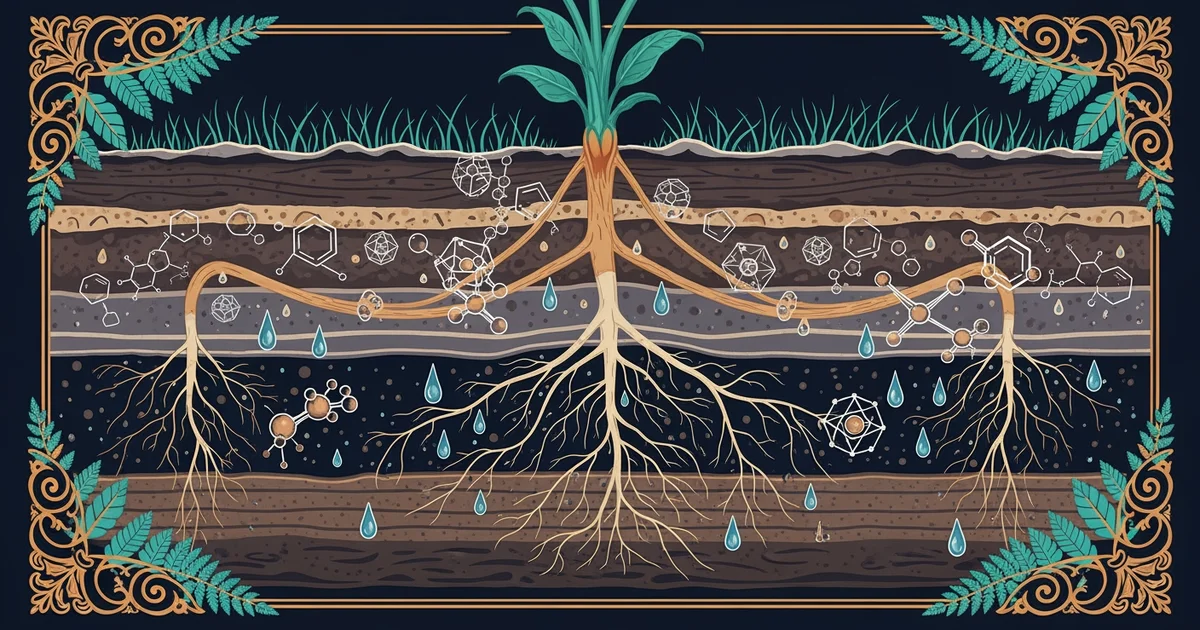
Understanding Genetic and Epigenetic Shifts
When environmental toxins reach our cells, they interact with the complex structures that house our hereditary information. Genetic toxicity refers to the ability of chemicals to damage the physical structure of our internal code. Think of this process like a typo appearing in a vital instruction manual for building a house. If the blueprint contains a major error, the structure might not function as it should. Chemical agents can cause these errors by breaking strands of information or forcing incorrect connections between them. These modifications remain permanent once the cell divides, meaning the error passes down to every single new cell created by that original damaged source.
While genetic changes alter the actual text of the instructions, epigenetic effects change how those instructions are read. Imagine a heavy book where certain pages are glued shut or highlighted with bright markers. The words on the page remain the same, but the person reading the book ignores the glued sections while prioritizing the highlighted ones. Environmental toxins act like those markers or glue, effectively silencing or amplifying specific genes without changing the underlying code. These shifts often happen in response to external stress, allowing the body to adapt to harsh surroundings, yet this adaptation can sometimes lead to long-term health issues if the signals remain stuck in an active or inactive state for too long.
Researchers study these patterns to see how external factors influence the way our bodies grow and repair themselves. The following table highlights the core differences between these two types of chemical impacts:
| Feature | Genetic Toxicity | Epigenetic Effects |
|---|---|---|
| Primary Target | DNA sequence | Gene expression |
| Permanence | Usually permanent | Can be reversible |
| Mechanism | Physical structure damage | Chemical marking of DNA |
| Cell Impact | Mutation of code | Change in reading process |
These mechanisms demonstrate that health is not just about the code we inherit, but also about how that code is accessed. When individuals face constant exposure to pollutants, the body may struggle to maintain the delicate balance required for normal function. The markers added by environmental toxins can accumulate over time, creating a cumulative burden that influences health outcomes long after the initial exposure ends. This process is similar to a company budget where unnecessary expenses are added every month; even if the core income stays the same, the extra costs eventually drain the total resources available for growth.
Understanding these pathways helps experts identify how specific toxins lead to complex health challenges. By mapping these changes, science provides a clearer view of why two people exposed to the same environment might experience different results. Some individuals possess natural protective systems that neutralize toxins before they reach the nucleus, while others may be more vulnerable due to their unique internal chemistry. This variation underscores the importance of looking at both the external environment and the internal biological responses that determine how we react to chemical threats in our daily lives.
Environmental toxins influence human health by physically altering genetic code or by modifying the regulatory switches that control how our genes are expressed.
But what does it look like when these chemical shifts begin to alter the complex hormonal signals that govern our internal balance?
This content is educational only and does not constitute medical advice. Always consult a qualified healthcare professional for personal health decisions.