
Defining Environmental Toxicology
Imagine walking through a park where every breath of air and every blade of grass holds invisible substances interacting with your cells. Most people go through their day without noticing these silent exchanges, yet they shape how our internal systems maintain balance or struggle to function. This reality forms the basis of understanding how our immediate surroundings influence long-term health outcomes for all living organisms.
The Scope of Chemical Interactions
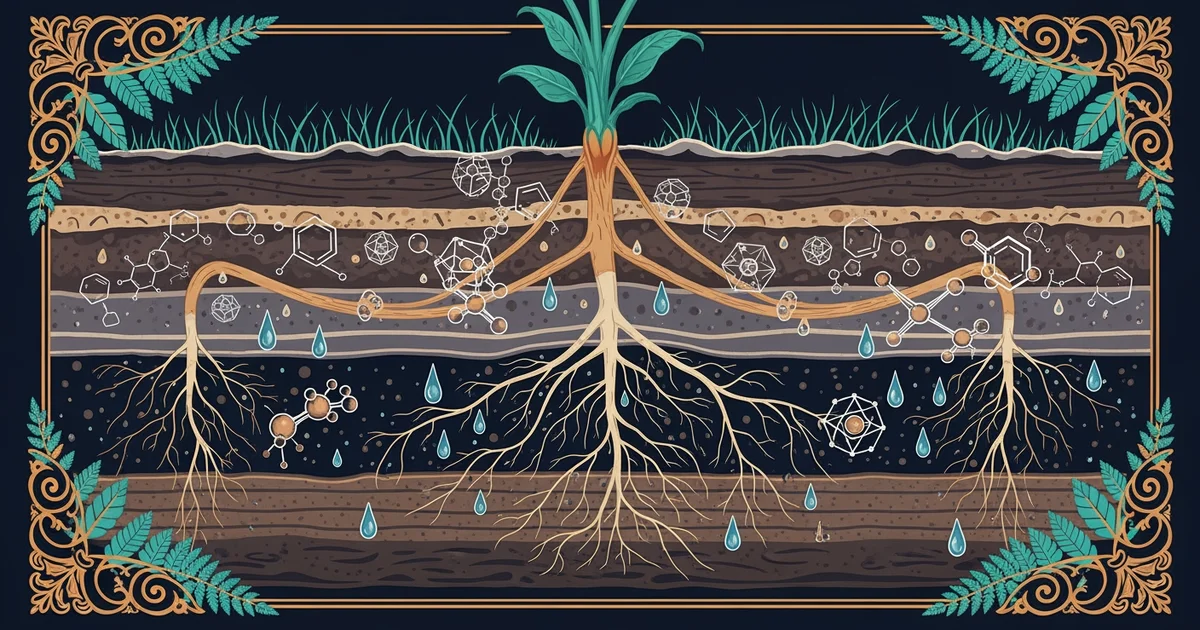
Environmental toxicology focuses on how chemical agents move through our world and enter biological systems. It examines the journey of substances from their origin points to the tissues of plants, animals, and humans. By studying these pathways, experts identify how chemicals change form or accumulate over time in various environments. Think of this process like a complex global supply chain where the product is a chemical and the consumer is a living organism. Just as a factory needs to track its parts to ensure quality, scientists must track chemical movement to understand potential health risks. This field does not just look at the chemicals themselves, but at the entire cycle of exposure, absorption, and eventual impact on the body.
Key term: Environmental toxicology — the study of how chemical substances in nature interact with and affect the health of living organisms.
Understanding these interactions requires looking at how different organisms process foreign materials through their unique internal machinery. When a substance enters a system, it often undergoes transformations that determine whether it remains harmless or becomes a threat to normal cell function. These chemical shifts represent the core of the discipline, as they dictate the final result of any exposure event. Research suggests that even tiny amounts of certain materials can trigger massive responses if the timing and conditions are just right. By mapping these interactions, the field builds a foundation for protecting public health against hidden environmental hazards that might otherwise go unnoticed.
Measuring Biological Responses
Scientists categorize the ways organisms encounter chemicals to better predict the outcomes of those specific interactions. These categories help researchers organize data and compare how different species react to the same environmental conditions. The following list outlines the primary ways that substances enter and affect the biological systems of various living creatures:
- Inhalation occurs when airborne particles enter the lungs and move directly into the bloodstream through the thin membranes of the respiratory system.
- Ingestion involves consuming contaminated water or food items that carry chemicals into the digestive tract where they are absorbed by intestinal walls.
- Dermal absorption happens when substances pass through the skin barrier, which acts as a protective shield but can fail against certain oily or small molecules.
These routes of entry determine the speed and intensity of the body's reaction to any foreign chemical presence. Once inside, the substance travels through the circulatory system to reach target organs that might be sensitive to its specific properties. The severity of the effect depends on the concentration of the substance and the duration of the contact time. By evaluating these factors, toxicologists determine the safety thresholds for various substances found in our shared natural surroundings. This systematic approach ensures that we can identify risks before they become widespread problems for populations or ecosystems.
| Exposure Route | Primary Barrier | Speed of Absorption | Example Source |
|---|---|---|---|
| Inhalation | Lung tissue | Very fast | Airborne dust |
| Ingestion | Gut lining | Moderate | Contaminated water |
| Dermal | Skin surface | Slow to moderate | Chemical solvents |
This table illustrates how the path of entry significantly alters the way a body processes an external chemical threat. Each route presents a unique challenge for the internal defense systems that work to neutralize or remove these materials. By learning these fundamental principles, you gain the ability to see how your own environment interacts with your biology every single day. This path gives you the tools to analyze chemical risks and understand the science behind protecting your health in a modern world. This content is educational only and does not constitute medical advice. Always consult a qualified healthcare professional for personal health decisions.