
Language Death
When the last fluent speaker of the Eyak language passed away in Alaska during the year two thousand eight, a unique window into human history closed forever. This specific event serves as a stark example of language death, a process where a community stops using its native tongue entirely. This phenomenon often occurs when one language is gradually replaced by a more dominant or prestigious global language. Like a small local shop closing because a massive retail chain opened nearby, the smaller language loses its utility for daily survival. This is the ultimate application of the linguistic shifts discussed in Station Eleven, where dialect change can eventually lead to total abandonment.
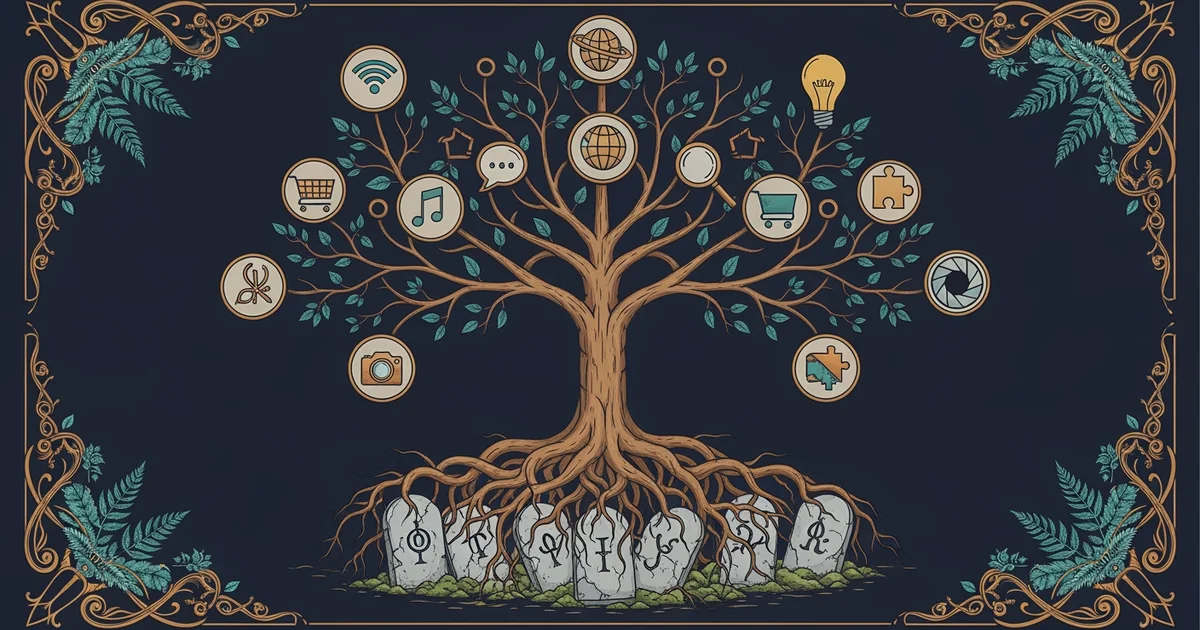
The Mechanics of Linguistic Decline
Language death rarely happens overnight because it usually stems from deep social or economic pressures. When parents stop teaching their heritage language to their children, the chain of transmission breaks down within a single generation. This shift often happens because parents believe that the dominant language offers better career paths or social mobility for their kids. They make a rational economic choice by prioritizing the language of power over the language of tradition. As the younger generation adopts the new tongue, the older speakers become isolated within their own families. This isolation creates a barrier where the nuanced vocabulary and cultural wisdom held by elders cannot pass to the youth.
Key term: Language death — the process where a language loses its last native speaker and ceases to function as a living tool for communication.
Sociologists often compare this decline to the depletion of a natural resource like a rare, local water source. If a village ignores their local spring in favor of a piped supply from a distant city, the old knowledge of the spring fades away quickly. Once the people who remember how to find and manage the spring are gone, that specific knowledge becomes impossible to reconstruct. Language works in the same way because it contains specific cultural markers and environmental terms that do not exist in other tongues. When a language dies, we lose the specific way that group interpreted their world and their history.
Efforts Toward Linguistic Preservation
Many communities now recognize this loss and fight back through active preservation programs to keep their heritage alive. These efforts often focus on creating immersion schools where children learn everything in their ancestral language from a young age. By making the language useful for modern life, these programs attempt to reverse the cycle of decline and abandonment. Other groups use digital recording technology to archive stories, songs, and conversations from the last remaining fluent speakers of the community. These archives act as a library for future generations who might want to reclaim their lost linguistic heritage later.
| Preservation Method | Primary Goal | Main Challenge |
|---|---|---|
| Immersion Schools | Daily fluency | Funding and staffing |
| Digital Archiving | Data retention | Passive engagement |
| Community Classes | Adult learning | Limited practice time |
These strategies face significant hurdles because language requires a living community to remain truly vibrant and evolving. A language stored only in a database is like a preserved plant in a glass case. It looks the same as it did in the wild, but it no longer grows, changes, or produces new seeds. True preservation requires that the language be spoken during dinner, at work, and in the marketplace. Without this constant use, the language remains a static object rather than a living, breathing part of human identity. We must evaluate whether these efforts successfully create new speakers or simply document the final stages of a disappearing tradition.
Language death represents the permanent loss of a unique cultural framework when a community shifts its daily communication toward a more dominant, widely spoken language.
But this model of total loss becomes complicated when we observe how new, hybrid forms of communication emerge from the ashes of dying languages.