
Linguistic Preservation
Imagine walking through a bustling market where every merchant speaks a distinct, ancient version of your native language. You realize that if these unique speech patterns vanish tomorrow, a massive library of human history disappears with them forever. This tension between global communication and local identity defines the challenge of linguistic preservation today. We must decide which voices deserve protection and how we can effectively save them for future generations to study and enjoy.
Strategies for Protecting Regional Speech
Preserving a dialect requires more than just recording audio clips of elderly speakers in a quiet room. It involves creating a living record that captures the social context, humor, and idiomatic expressions that give a language its soul. Think of this process like maintaining a rare, historic garden where the soil must be kept nutrient-rich for the plants to survive. If we only take photos of the flowers, we lose the ability to understand how they grow within their specific environment. We must document the speakers, their community interactions, and the specific daily activities that trigger their unique vocabulary choices.
Key term: Linguistic Preservation — the active effort to record, document, and support the continued use of endangered languages or dialects.
To build a robust archive, researchers often rely on a structured approach that prioritizes both quality and community participation. The following methods help ensure that the data collected remains useful for future linguists and cultural historians:
- Audio and video recordings serve as the primary evidence by capturing the nuance of pitch, stress, and rhythm that written transcripts often fail to convey fully.
- Community workshops allow native speakers to teach younger generations their specific grammar rules and local slang terms through direct, hands-on interaction.
- Digital repositories provide a secure place for storing these records so that researchers across the globe can access the data without damaging original materials.
Documenting Endangered Dialects Effectively
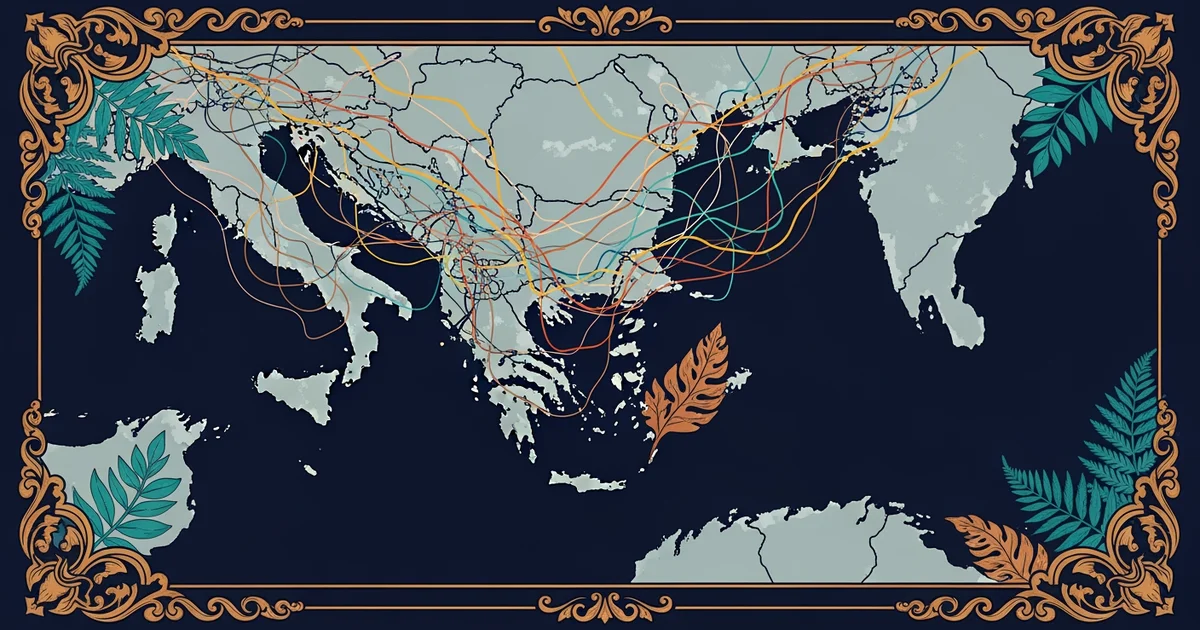
When we look back at our previous discussions on evolutionary trends and the hidden history of communities, we see that language acts as a mirror for human migration. Documenting a dialect is not merely a technical task but a way to honor the people who shaped our collective past. By synthesizing our knowledge of phonetic shifts with modern recording technology, we can create a comprehensive map of how a region evolved over many centuries. This process requires a delicate balance between scientific rigor and deep respect for the cultural values held by the local community members.
| Method | Primary Goal | Required Tool |
|---|---|---|
| Oral History | Contextual depth | High-quality recorder |
| Phonetic Mapping | Sound variation | Spectrogram software |
| Syntax Analysis | Rule consistency | Linguistic database |
The table above shows that each method serves a different purpose in the broader goal of saving a dialect from extinction. While oral histories provide the heart of the culture, phonetic mapping offers the technical data needed to prove how specific sounds changed over time. Combining these approaches ensures that we do not just save a list of words, but the living, breathing spirit of the community. This synthesis allows us to answer our foundation question by proving that our diverse ways of speaking are actually maps of our shared human journey.
One major unresolved question remains in this field regarding the role of digital social media in dialect survival. Some researchers argue that online platforms help spread regional slang to a wider audience, while others fear that these platforms actually accelerate the homogenization of language. We currently lack a definitive answer on whether global connectivity will eventually erase regional nuances or provide new, vibrant spaces for them to thrive. This tension continues to drive modern research as we search for the best ways to support endangered speech in a digital age.
Effective linguistic preservation requires a blend of high-quality technical documentation and active community engagement to ensure that the cultural soul of a dialect survives alongside its formal grammar.
Linguistic preservation is a vital act of cultural stewardship that keeps the unique stories of our communities alive for future generations to explore.