
Defining Dialectology
Have you ever noticed how a friend from another city uses different words for the same simple object? You might call it a soda while they call it pop, or perhaps you say sneakers while they insist on using tennis shoes.
Understanding Linguistic Variation
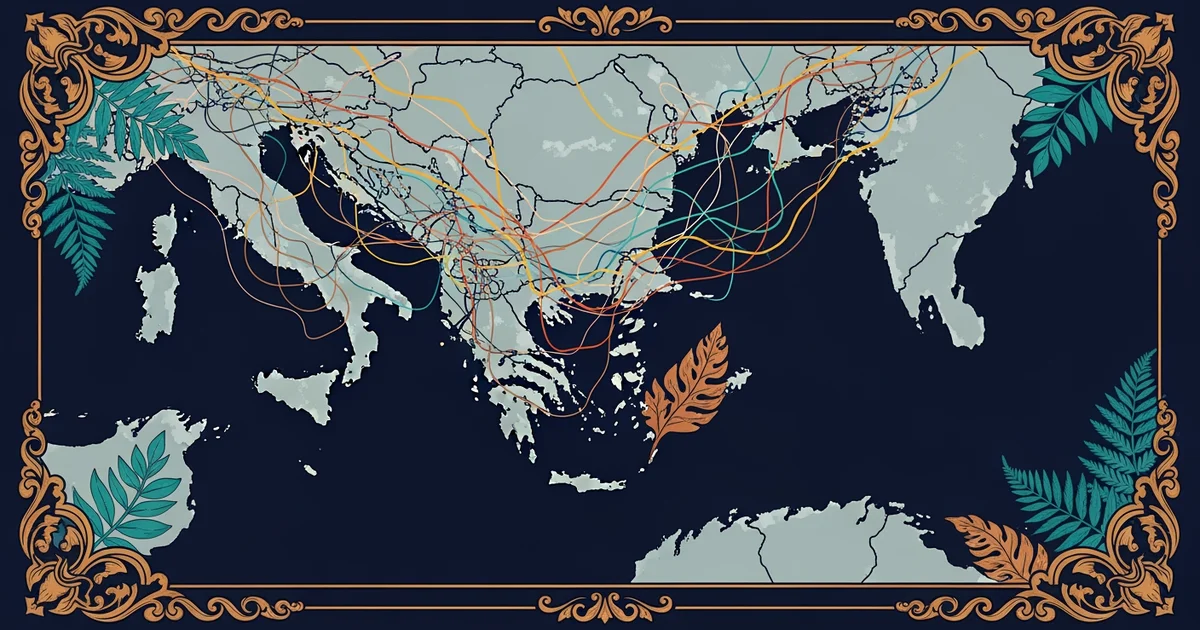
These small differences in vocabulary and pronunciation are not random mistakes made by confused speakers. They represent the core focus of dialectology, which is the scientific study of regional linguistic variation across different populations. When we look at language, we often assume that everyone speaks the same version of their native tongue. However, this is rarely true in any large community or country. People living in different geographic areas develop unique ways of speaking based on their daily interactions. These patterns become deeply embedded in the local culture over many generations. By studying these variations, researchers can map out how language shifts as it moves across physical distances. It is much like studying how a local currency changes its value or utility when you cross a national border. The core value of the language remains intact, but the specific way you spend it changes based on where you are standing.
The Scope of Regional Study
To understand why these differences occur, we must look at how language travels through human networks. Dialectology examines how geographic barriers like mountains or rivers can isolate groups and cause their speech to drift apart. When two groups stop talking to each other, their vocabulary begins to evolve in separate directions. This process creates distinct regional identities that define the people living in those specific areas. We can categorize these differences into three main areas of focus:
- Lexical variation involves the different words that people choose to describe the same items or actions in their daily lives.
- Phonological variation refers to the unique ways that specific groups pronounce vowels or consonants within their local speech patterns.
- Syntactic variation covers the diverse ways that people structure their sentences or arrange their grammar to convey complex meanings.
Key term: Dialect — a specific variety of a language that is defined by the regional or social background of its speakers.
These categories help us organize the complex data we collect when we observe how real people communicate. By tracking these changes, we can see the history of a community written directly into their speech. Every time someone speaks, they are participating in a long tradition of regional identity that stretches back through time.
Mapping Community History
When we analyze these patterns, we gain a better understanding of how human migration shapes our modern world. People carry their language with them when they move to new cities or start new lives in different states. Over time, these migrant groups mix their original speech habits with the habits of the people they meet. This blending creates new variations that serve as a record of who lived where and when they arrived. We can track the movement of ancestors just by listening to the way their descendants pronounce certain common words. It is like looking at a map that shows the history of human travel through the lens of sound. This field of study proves that our speech is not just a tool for communication. It is a living artifact that connects us to the people who came before us in our specific region.
Dialectology treats the diverse ways that we speak as a map of human history and community identity.
By exploring how regional speech patterns form, you will gain the skills to distinguish between a language and a dialect in our next station.