
Digital Dialectology
When a social media user in London types a specific slang term for a friend, that word might not exist in the digital vocabulary of a person living in New York. This simple act of online communication reveals how geography still shapes our speech patterns even in a borderless digital space. We are witnessing a shift where physical distance no longer dictates how language changes or spreads among young people globally. This is the core of Digital Dialectology, which tracks how internet platforms act as modern highways for new words and phrases.
Mapping Language Through Digital Data
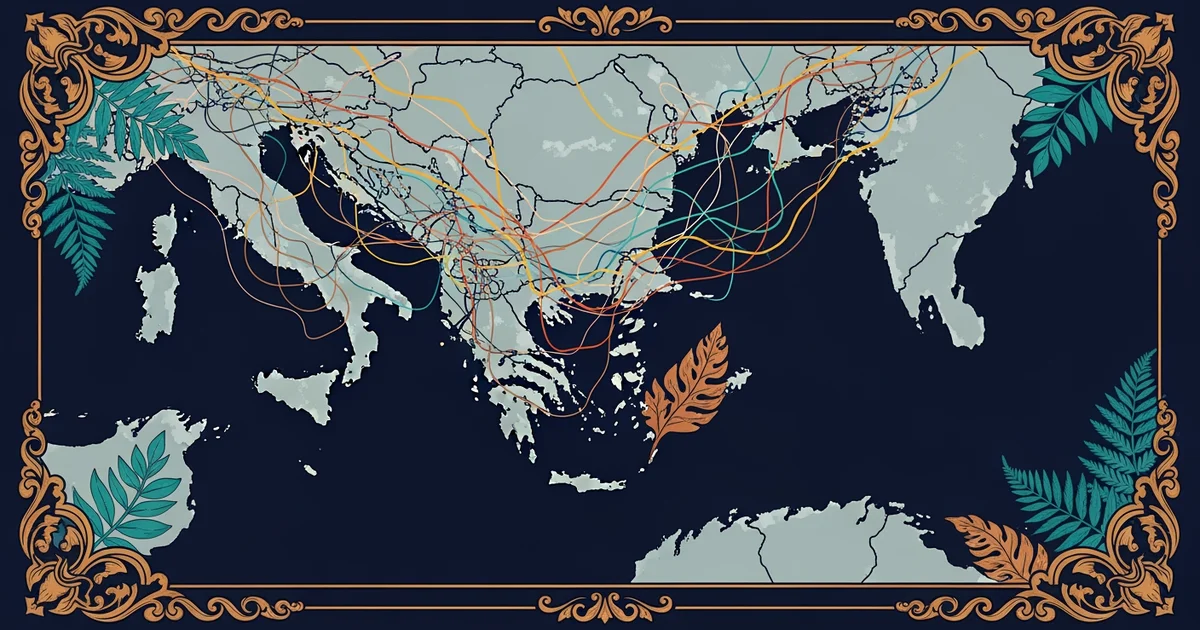
Researchers now look at large sets of social media posts to see how language evolves in real time across different regions. By using advanced software, they can map the exact locations where a new slang term first appears and how it moves to other cities. Think of this process like tracking the spread of a new fashion trend in a shopping mall where every shopper broadcasts their outfit to the entire world instantly. Just as a popular jacket style travels from a flagship store to smaller outlets, a linguistic innovation jumps from one online community to another. This movement shows that digital influence often bypasses traditional borders to reach distant groups with shared interests.
Key term: Digital Dialectology — the study of language variation and change by analyzing large datasets generated from internet-based communication platforms.
This method allows us to see patterns that were once hidden because researchers previously relied on slow, manual interviews. Now, they can process millions of messages to find subtle shifts in grammar or vocabulary that happen within just a few weeks. These digital tools provide a clear window into how our online interactions reflect our offline identities and local cultures. By examining these datasets, we learn that the internet does not just make everyone speak the same way. Instead, it creates unique pockets of expression that grow and change based on the people who use them most often.
Analyzing Regional Variations Online
Understanding how these trends develop requires us to look at how specific groups adopt and adapt language for their own needs. We can organize these linguistic patterns into a table to see how different factors influence the spread of new terms across various online spaces.
| Factor | Impact on Language | Example of Influence |
|---|---|---|
| Platform Type | Dictates the speed of change | Short messages favor quick slang |
| User Demographics | Shapes the tone of speech | Age groups create private codes |
| Cultural Context | Determines the meaning of words | Local events trigger new phrases |
These factors work together to create a complex web of communication that researchers must decode carefully. For instance, a term might start in a gaming forum and then move to a music site, changing its meaning slightly as it travels. This process of adaptation is vital for keeping language alive and relevant to the people who speak it every day. When we track these changes, we gain a deeper insight into the hidden history of our communities and how they stay connected through shared linguistic habits.
There are several ways that digital researchers collect and interpret this massive amount of language data:
- Sentiment analysis tools help researchers understand the emotional tone behind specific words to see if they are used positively or negatively in different regions.
- Geographic tagging allows experts to correlate specific slang terms with physical locations to see if local pride influences how people speak on social media platforms.
- Network graph modeling tracks the movement of words between different online user groups to identify which communities act as the primary sources for new linguistic trends.
By combining these techniques, we can build a comprehensive map of how language functions in the modern era. This is the application of the research methods we discussed in previous sections to solve new problems in a digital environment. Even though we are typing on screens, our words still carry the weight of our backgrounds and the unique ways we define our social circles. The data shows that our digital habits are just an extension of the same human need to belong and be understood by those around us.
Digital Dialectology uses massive data sets to reveal how our online interactions create and spread unique linguistic patterns across global communities.
But this model breaks down when we try to account for the influence of automated bots on the natural evolution of human language.
Go Deeper · Amazon
Keep going with Linguistics For High School
Browse Linguistics For High School on Amazon ↗As an Amazon Associate we earn from qualifying purchases. #ad