
Integrated System Design
Imagine your morning coffee arrives at your house through a complex, invisible network of global shipping. When you order a product online, you trigger a massive chain of events involving ships, trucks, and digital systems.
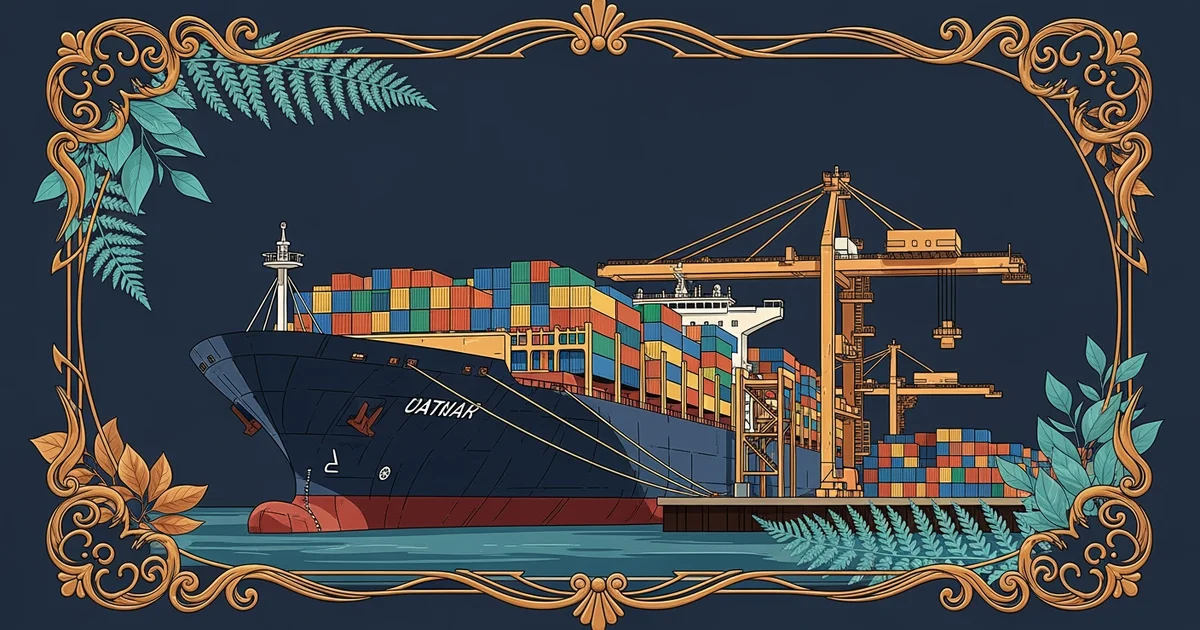
Coordinating Complex Logistics Flows
Modern logistics relies on Integrated System Design to ensure that goods move across the globe efficiently. This process connects disparate parts of the supply chain into one smooth, unified operation. Think of it like a professional orchestra where every musician plays a specific part at the exact right moment. If the violin section plays too fast or the percussionist misses a beat, the entire performance falls apart. In logistics, the ships, planes, and warehouses act as the instruments. A central digital hub acts as the conductor, directing the flow of data and physical goods. This integration prevents bottlenecks while ensuring that inventory remains balanced across all regional distribution centers.
Key term: Integrated System Design — the practice of connecting multiple independent logistics components into a single, cohesive network to improve overall efficiency.
By combining global trade regulations with local delivery systems, companies can predict demand patterns with high accuracy. Previous stations explained how trade laws govern the movement of goods between international borders. Now, we must synthesize those rules with the physical reality of moving a package to your door. When a shipment leaves a factory, it must pass through customs, board a cargo ship, and arrive at a regional warehouse. Each step requires precise timing to avoid wasted costs. If these systems operate in isolation, the supply chain suffers from delays and increased carbon emissions. A truly integrated design forces these systems to share information in real time.
Optimizing Network Performance
To manage these complex flows, engineers use specific strategies to maintain speed and reliability. The goal is to minimize the time a product sits idle in a warehouse while maximizing the capacity of every truck. This balance involves constant adjustments based on real-time data from various transit nodes. The following table highlights the core components that must work together to create a successful logistics network:
| Component | Primary Function | Integration Need |
|---|---|---|
| Warehouse | Storing products | Stock level data |
| Transit | Moving goods | Real-time tracking |
| Customs | Legal compliance | Digital documentation |
These components rely on constant communication to function correctly. If the warehouse does not know the transit schedule, it might pack items too early. This creates clutter and slows down the loading process for outgoing trucks. Effective integration ensures that every participant in the chain receives the same information at the same time. This reduces the risk of human error and helps companies react to unexpected events like bad weather or port strikes. By viewing the entire journey as one single system, engineers find new ways to cut costs and improve delivery speeds for customers everywhere.
How do we ensure that these systems remain stable when global conditions change suddenly? This is the fundamental challenge facing engineers today. While we have mastered the basics of moving goods, we still struggle to predict disruptions caused by unpredictable human or environmental factors. Research teams are currently investigating how to build self-correcting logistics networks that can adapt without human intervention. This represents the next major hurdle in the field of engineering and robotics. Synthesizing these complex components is not just about moving boxes; it is about building a resilient structure for the future of global commerce.
Successful logistics integration requires that every component in the supply chain shares real-time data to create a unified, responsive network.
Future logistics trends will focus on how autonomous robotics can further refine these integrated systems to increase speed and safety.