
Intermodal Shipping Containers
Imagine you are trying to pack a massive pile of loose books into a tiny car. You would likely struggle to fit them all without a sturdy box to hold them together. Shipping goods across the vast ocean presents a similar challenge for companies that move products daily. Engineers solved this problem by creating a standardized metal box that fits perfectly onto trucks, trains, and massive cargo ships.
The Design of Standardized Freight
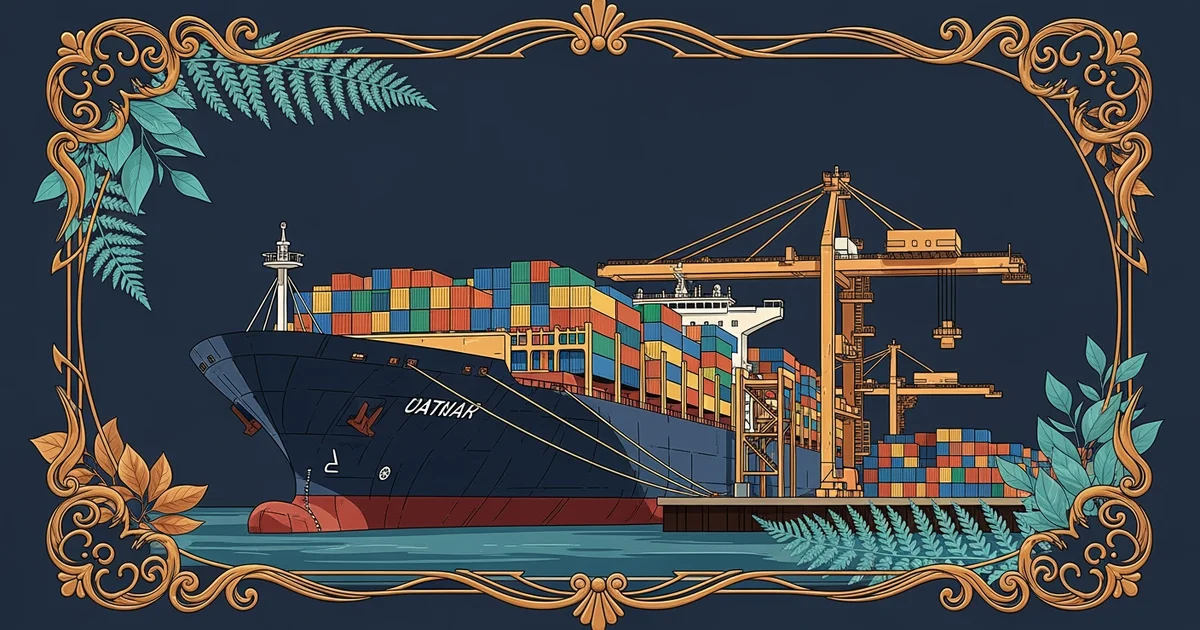
When global trade began to grow, the process of loading ships was slow and costly. Workers had to move every single item by hand or in small, mismatched crates. This inefficiency meant that goods sat on docks for weeks before moving to their final destination. The invention of the intermodal shipping container changed this process by creating a uniform size for all cargo. Because these containers are built to strict global measurements, they stack easily on top of each other. This stacking ability allows a single ship to carry thousands of containers without wasting any precious space.
Key term: Intermodal shipping container — a large, reusable metal box designed for moving goods across different transport modes without unloading the contents.
These boxes act like the building blocks of a global puzzle that connects every major city. By using a standard size, machines like cranes can lift the containers from a ship and place them directly onto a train. This transition happens in minutes rather than hours because the equipment is already designed for that specific shape. If you think of a container like a digital file, it is a universal format that every computer can open. Without this universal format, the global economy would grind to a halt because logistics systems could not talk to each other.
Efficiency Through Uniformity
To understand how these containers function, consider the different benefits they provide to the modern supply chain. The standardization of these boxes ensures that every port in the world has the same equipment. This consistency reduces the chance of errors and makes the loading process much faster for workers. When a container leaves a factory, it stays sealed until it reaches the final warehouse. This security prevents theft and keeps the goods safe from harsh weather conditions during the long journey.
There are three main features that make these containers essential for modern shipping logistics:
- The steel frame structure provides immense strength to support the weight of several other containers stacked above it.
- The corner castings allow cranes to lock onto the container securely so it does not fall during heavy ocean storms.
- The weatherproof exterior protects fragile electronics and dry goods from saltwater damage while the ship travels across the sea.
These features demonstrate why engineers prioritize simple designs over complex ones in global transportation systems. By keeping the design simple and strong, they ensure that the system remains reliable for everyone involved in trade. A complex box might offer more features, but it would fail the test of being compatible with ships in every country.
| Feature | Purpose | Benefit |
|---|---|---|
| Steel Shell | Durability | Protects cargo from impact |
| Corner Locks | Stability | Enables safe stacking of units |
| Standard Size | Compatibility | Fits trucks, trains, and ships |
The table above shows how specific design choices lead to better outcomes for the global supply chain. When you see a container on a train, you are looking at a masterclass in mechanical engineering. Every inch of that box has a purpose that helps keep the cost of your goods low. If the containers were not uniform, you would pay much more for every item you buy online. This system is the hidden backbone of the world economy, moving millions of tons of steel, food, and technology every single day.
Standardized containers enable global trade by creating a universal physical format that allows goods to move seamlessly between different transport vehicles.
The next Station introduces route optimization basics, which determines how ships and trucks find the fastest path to their destination.