
The Economic Impact of Trade
You check your mailbox and find a package that traveled thousands of miles to reach your home. That small box represents a massive web of trade that moves goods across the entire planet daily.
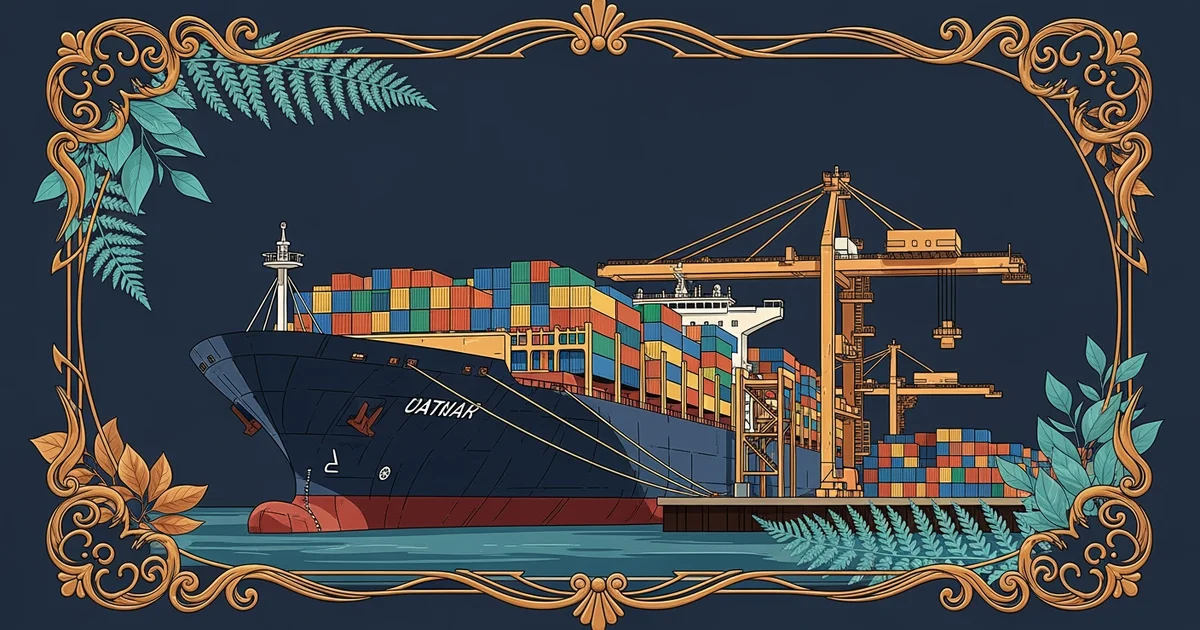
The Engine of Global Prosperity
Global trade acts like a giant circulatory system for the world economy by moving resources where they are needed most. When countries trade, they focus on producing items they make best while importing goods they cannot easily create themselves. This exchange creates wealth because it allows for specialization, which increases the total amount of goods available for everyone to purchase. Think of it like a neighborhood potluck where everyone brings their best dish rather than trying to cook every single item alone. By sharing these specialized skills, the entire group ends up with a much better meal than if each person worked in total isolation.
Key term: Specialization — the process where individuals or nations focus production on a limited scope of goods to gain greater efficiency.
This system relies on complex logistics to ensure that products move across borders without any major delays. If a country has the raw materials but lacks the technology to process them, trade allows them to partner with others who have the necessary tools. This partnership creates value by turning basic resources into finished goods that consumers actually want to buy. Without this steady flow of materials and finished products, the cost of living would rise significantly for almost everyone. The economic impact is clear because trade lowers prices, encourages innovation, and connects distant markets into one large, functioning system.
Measuring the Value of Movement
Logistics creates value by bridging the gap between where a product is made and where it is finally used. Moving a product from a factory to a store shelf adds significant cost, but it also adds immense value to the consumer who needs it. A product has no real utility if it sits in a warehouse on the other side of the world where nobody can reach it. By organizing shipping routes, warehouses, and delivery trucks, logistics companies turn potential goods into actual products. The following table shows how different stages of the supply chain contribute to the final price of an item you buy.
| Stage | Activity | Value Added |
|---|---|---|
| Production | Raw materials to goods | Basic product creation |
| Transport | Moving goods globally | Availability for consumers |
| Distribution | Warehousing and retail | Convenience and selection |
Logistics professionals must balance the speed of delivery with the total cost of shipping to keep prices fair. They use data to predict demand so that items are already waiting in local stores before you even realize you need them. This predictive power reduces waste and ensures that resources are not tied up in items that nobody wants to purchase. The efficiency of this process determines how much money is left in your pocket after you finish your weekly shopping. When logistics systems operate smoothly, the entire global market functions like a well-oiled machine that serves the needs of millions.
Effective trade requires careful coordination across many different industries to keep the global economy moving in the right direction. Every step of the journey, from the initial factory order to the final delivery at your door, requires precise timing and communication. If one link in this chain breaks, the entire process slows down and costs begin to climb for everyone involved. Understanding this movement helps you appreciate the hidden effort required to keep your favorite products available year-round. You are not just buying a single item, but rather participating in a vast, interconnected network that spans the entire globe.
Global trade creates economic value by moving specialized goods through efficient logistics networks that connect distant producers to local consumers.
Next, we will explore how intermodal shipping containers standardize the movement of these goods across different types of transportation.