
The Flow of Global Goods
You order a small plastic gadget online and watch it travel across the entire planet to arrive at your front porch within two days. This miracle of modern life depends on a vast, hidden network that keeps the world moving every single hour of the day.
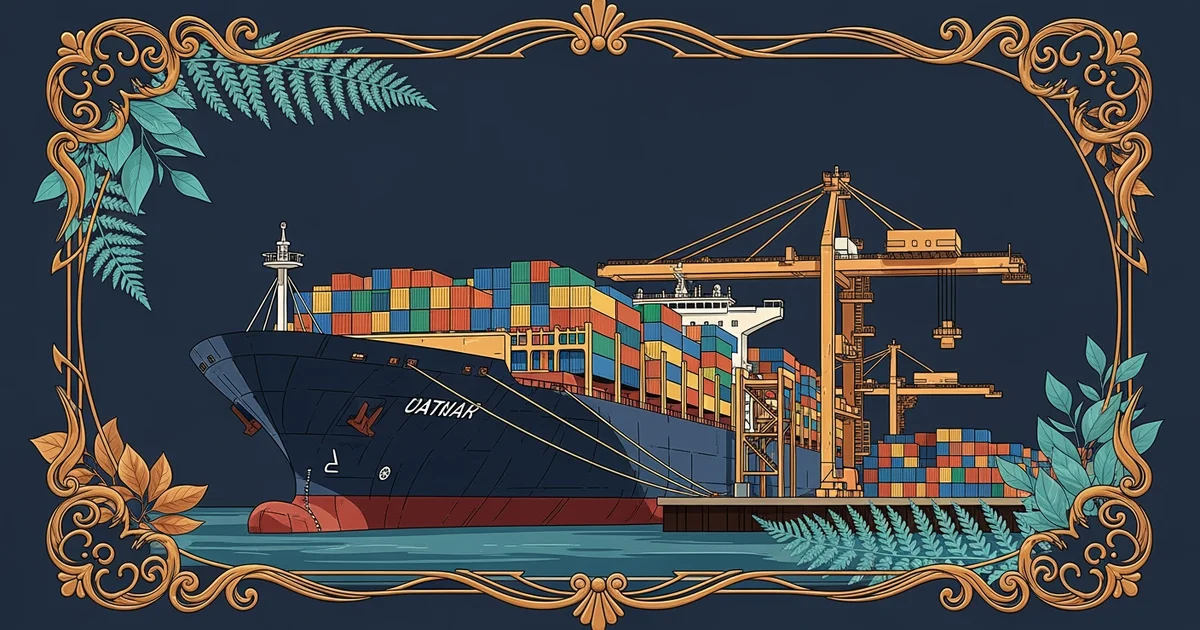
The Architecture of Global Movement
Modern logistics involves the complex coordination of moving physical goods from a factory floor to your specific home address. Think of this process like a giant relay race where every runner must pass the baton perfectly to reach the finish line. Factories create products in large batches, but these items cannot reach customers without a highly structured plan for transport. This system relies on massive ships, long freight trains, and fleets of delivery trucks working in total harmony. Without this careful planning, the shelves in your local stores would remain empty for weeks at a time. The goal is to minimize the time and money spent moving items while ensuring that every package arrives in perfect condition. Every step in this journey requires precise data to track where an item is located at any given moment.
Key term: Logistics — the detailed coordination and management of a complex operation involving many people, facilities, or supplies.
The Stages of Supply Chain Flow
To understand how these goods move, we must look at the standard steps that every single package follows during its long journey. The process begins at the point of origin and ends when the item reaches the final user in the neighborhood. This movement follows a predictable path that engineers have refined over many decades to increase speed and lower costs. The following table outlines how different modes of transport serve specific roles in this global network.
| Transport Mode | Best Use Case | Primary Benefit |
|---|---|---|
| Cargo Ship | Global transit | Low cost per unit |
| Freight Train | Regional travel | High volume capacity |
| Delivery Truck | Final delivery | Precision and speed |
This system functions because each mode of transport excels at a specific part of the journey. Ships move thousands of containers across oceans where speed matters less than total capacity. Trains then move these containers across continents to reach large distribution centers located near major cities. Finally, local trucks take the smaller packages and drive them directly to your house. This hand-off between different transport types is the most difficult part of the entire global chain. If one link in this chain fails, the entire process slows down until the bottleneck is cleared by managers.
The Role of Data in Global Shipping
Technology acts as the invisible glue that holds this entire massive system together through constant tracking and digital updates. Every package carries a unique code that allows computers to monitor its progress across the globe in real time. When a truck driver scans your package, the system updates the status so that you know exactly where your item resides. This constant flow of information allows companies to predict delays caused by weather or traffic before they actually occur. Engineers use this data to build better routes, which saves fuel and reduces the total carbon footprint of the entire delivery industry. By analyzing these patterns, logistics experts can ensure that products are waiting in a nearby warehouse before you even decide to click the buy button. This level of preparation is why you can receive items so quickly after placing an order online.
The flow of global goods relies on a synchronized relay of diverse transport modes and precise digital tracking to bridge the gap between factories and your home.
By the end of this path, you will understand how engineering innovation and historical shifts have created the highly efficient delivery systems that support our modern global economy.