
Global Trade Regulations
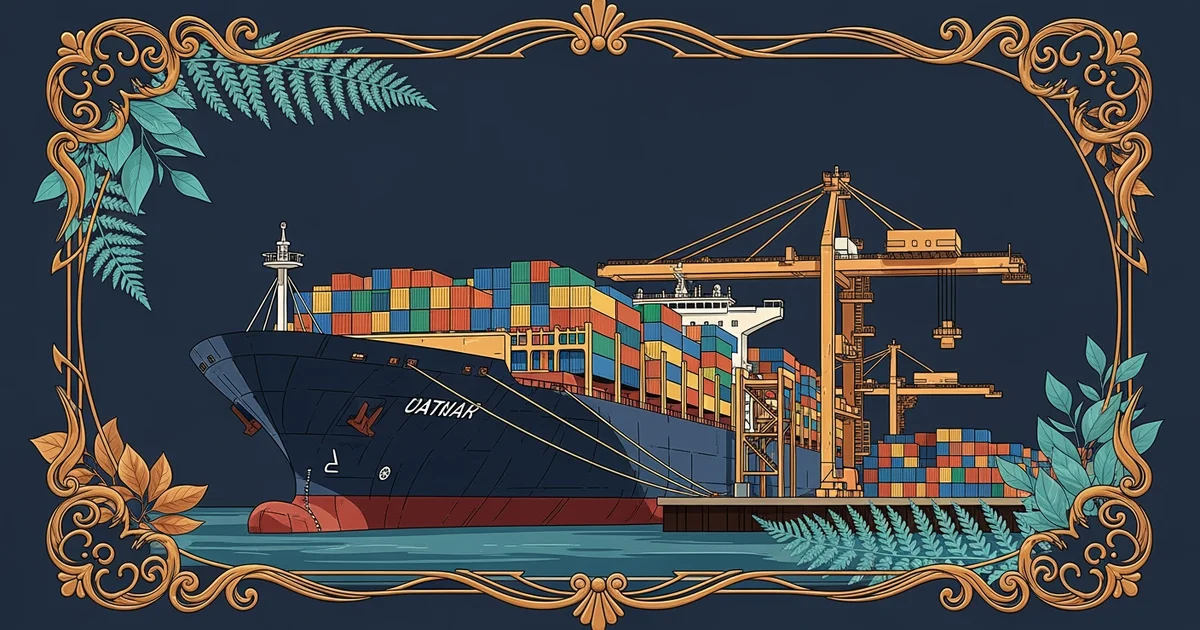
When a cargo ship enters a major port like Los Angeles, it must pass through a complex web of legal checks before offloading containers. Each container holds specific goods that are subject to strict national laws regarding safety and taxes. This is a real-world application of the trade compliance frameworks first introduced in our discussion of global logistics during Station 10. Without these rules, the flow of goods would collapse into chaos, causing massive delays for every consumer waiting for their orders.
Understanding Regulatory Compliance
Global trade relies on trade compliance, which is the process of following all laws and rules for moving goods across borders. When companies ship products internationally, they must declare what is inside every single package to customs officials. These officials verify that the goods are legal and safe for the public to use or consume. Think of this process like a high-security gate at a concert venue where every person must show a valid ticket. If your ticket is missing or incorrect, you cannot enter the venue, regardless of how much you paid for it. Companies face similar barriers if their paperwork does not match the actual contents of their shipping containers. This ensures that only authorized, safe, and taxed items enter the domestic market.
To manage this complexity, businesses rely on a set of standardized procedures that govern how they report their cargo. These procedures prevent illegal smuggling and ensure that the government collects the necessary revenue to fund public services. The rules are not meant to stop trade, but to make trade predictable and fair for all parties involved. When a company fails to meet these standards, they risk heavy fines or the permanent seizure of their inventory. This is the primary reason why logistics managers spend so much time verifying documents before a ship ever leaves the port.
The Framework of Shipping Laws
Beyond basic declarations, specific legal frameworks dictate how different categories of items are handled during transit. These frameworks categorize goods by their nature, origin, and intended final use to ensure proper oversight. We can organize these regulatory categories by their primary function in the global supply chain:
- Tariff Classification involves assigning a specific code to a product so that the government can calculate the correct import taxes owed by the business.
- Export Controls restrict the movement of sensitive technology or dangerous materials to specific countries to ensure national security and public safety standards are met.
- Sanitary Requirements force companies to provide health certificates for food and plants to prevent the spread of foreign pests or diseases into new regions.
These categories form the backbone of international shipping, ensuring that every item is treated according to its unique risk profile. By grouping items this way, customs agencies can focus their limited resources on the most sensitive shipments while allowing standard goods to pass quickly. This system creates a balance between strict security and the need for fast, efficient global commerce.
| Regulatory Category | Primary Goal | Impact of Non-Compliance |
|---|---|---|
| Tariff Codes | Revenue Collection | Financial penalties and audits |
| Export Controls | National Security | Legal action and trade bans |
| Sanitary Rules | Public Health | Destruction of cargo shipments |
This table illustrates how different rules protect the economy and the public from various types of risks. When a logistics firm ignores these categories, they create a ripple effect that slows down the entire global trade network. Every step in this process is designed to minimize the risk of accidents or illegal activity. By mastering these regulations, engineers and logistics planners can design systems that move goods faster while remaining fully compliant with the law.
Successful global trade requires strict adherence to legal frameworks that verify the safety, tax status, and origin of every shipped item.
But these regulatory systems often struggle to keep pace with the rapid growth of new digital technologies and automated shipping methods.