
Electrical Power Generation
Imagine a massive ocean liner sailing through dark, stormy waters while every single light remains bright. This vessel functions like a floating city that must generate its own electricity to survive the deep sea. Engineers design these power networks to ensure that critical systems never lose their vital energy source. A ship without power is essentially a giant, drifting metal box with no way to navigate or communicate. Understanding how these massive vessels manage electricity provides the key to unlocking modern maritime engineering success.
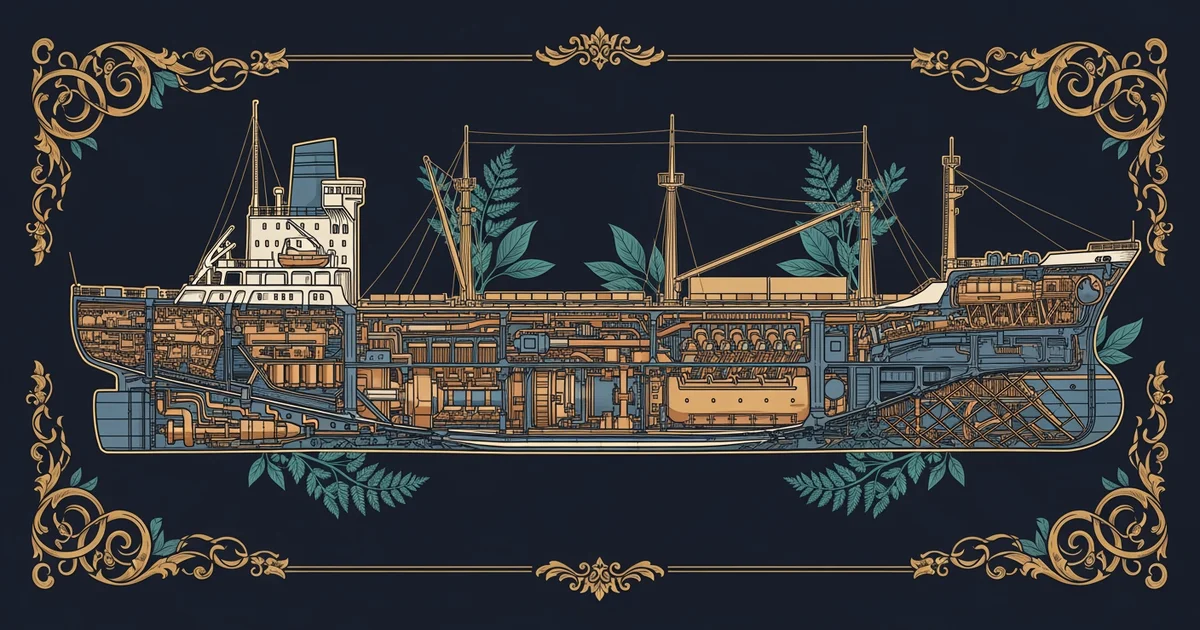
The Architecture of Shipboard Power
Modern vessels rely on a complex system of generators that function similarly to a city power plant. These machines convert fuel into mechanical energy and then into electrical current for the ship. Think of the ship as a large household where the kitchen, the lights, and the heating all demand power from one source. If the main power source fails, the entire house goes dark and loses its ability to function safely. Engineers create a redundant network so that if one generator fails, others take over the load instantly. This process ensures that the ship maintains a steady flow of electricity regardless of the external conditions.
Key term: Generators — the primary machines aboard a vessel that convert mechanical energy from fuel into electrical power for various onboard systems.
Once the electricity is created, it must move through the ship to reach the equipment that needs it most. The switchboard acts as the central brain of this distribution network by directing power to different areas. You can imagine the switchboard as a traffic controller that manages how much electricity flows to the engines, the lights, and the navigation computers. By using heavy cables and circuit breakers, the system protects sensitive electronics from power surges or dangerous short circuits. This organized flow keeps the ship operating smoothly while moving across the unpredictable and vast open ocean.
Managing Power Distribution and Safety
Maintaining a stable electrical grid requires constant monitoring of the load placed on the system by different machines. The following list explains the primary components that help engineers manage this electrical distribution process across the vessel:
- The main distribution board acts as the primary hub that connects all power sources to the various electrical circuits located throughout the ship.
- Transformers adjust the voltage levels to ensure that high-power motors receive enough energy while sensitive navigation computers stay safe from extreme power spikes.
- Emergency power systems provide a secondary source of energy that kicks in automatically if the primary generators fail during a critical mission.
These components work together to ensure that the ship remains functional even when individual parts experience wear or technical failure. Engineers must balance the total power demand against the capacity of the generators to prevent a total system blackout. This balance is similar to managing a budget where you must ensure that your spending never exceeds the total income available. If the demand for power exceeds the supply, the system will prioritize essential navigation systems over non-essential luxury items like cabin lights. This prioritization strategy keeps the vessel safe during the most challenging weather conditions or emergency situations.
| Component | Function | Priority Level |
|---|---|---|
| Generator | Creates power | Critical |
| Switchboard | Routes power | Critical |
| Transformer | Adjusts voltage | High |
| Lighting | Provides visibility | Moderate |
By monitoring these components, engineers can identify potential issues before they cause a total loss of power. The ability to predict when a generator might fail allows the crew to perform maintenance during calm periods of the voyage. This proactive approach to power management is what allows modern ships to cross oceans with high levels of reliability and safety. Every watt of energy is tracked to ensure the vessel can handle its complex operational requirements without any interruption to its core mission.
Reliable power distribution on a vessel requires redundant generators and smart management systems to prioritize critical navigation and safety operations over secondary electrical loads.
The next Station introduces engine room maintenance, which determines how electrical and mechanical systems remain operational over long voyages.