
Future Farming Systems
Imagine a vast field where robots work in perfect harmony to feed a hungry planet. Modern farming no longer relies on a single person driving one large tractor across acres. Instead, farmers now manage a complex digital ecosystem that coordinates many small, specialized machines together. These systems solve the challenge of growing food efficiently while protecting the soil and natural resources for future generations. By integrating different technologies, we create a unified farm management plan that operates with incredible precision and speed.
Designing the Robotic Fleet
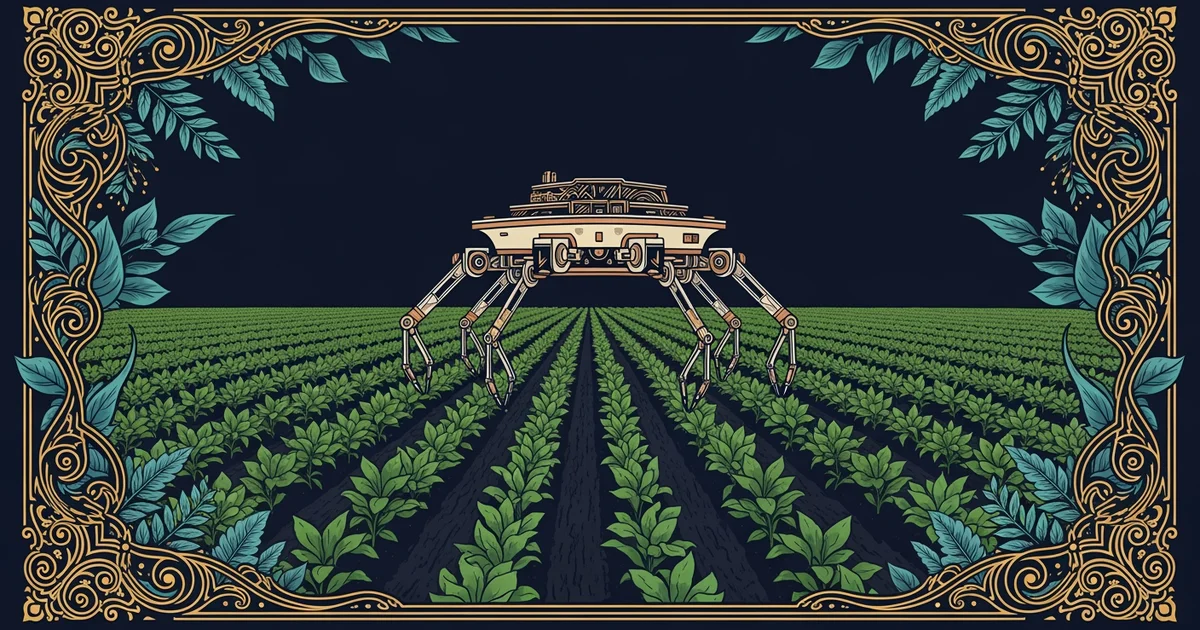
Building a successful robotic farm requires a fleet of machines that perform distinct but connected tasks. The first step involves mapping the field using satellite data to identify where crops need nutrients or water. This data feeds into a central control system that directs smaller robots to execute specific actions. These machines function much like a professional kitchen staff where the head chef manages the flow of orders while individual cooks handle the chopping, frying, and plating duties. Without this clear division of labor, the entire operation would become chaotic and lose its focus on quality.
Key term: Swarm robotics — a coordination method where many simple autonomous robots work together to complete complex tasks.
Effective farm management requires that we balance the needs of the plants with the capabilities of the hardware. We must consider how these systems interact with the physical environment during daily operations:
- Autonomous seeders plant crops at exact depths to ensure uniform growth across the entire field.
- Variable rate sprayers apply liquid nutrients only to plants that show signs of deficiency.
- Harvesting units use computer vision to identify ripe produce and pick it without damaging stems.
These machines must communicate constantly to ensure that no part of the field receives too much or too little attention. This level of coordination represents a massive shift from the industrial farming methods of the past century.
Integrating Smart Systems
Connecting these robotic tools requires a robust data network that processes information in real time. Earlier stations explored how drones monitor crop health from the air to identify early signs of stress. Now, we see how that aerial data creates a blueprint for ground robots to perform targeted maintenance. If a drone detects a pest outbreak in one corner, the ground fleet receives an update to treat only that specific zone. This integration prevents the waste of expensive supplies and reduces the chemical footprint of the entire farm.
| Machine Type | Primary Role | Data Input Source | Operational Benefit |
|---|---|---|---|
| Scouting Drone | Field Mapping | Satellite Imagery | Precise Navigation |
| Seeding Robot | Planting | Soil Moisture Map | Uniform Crop Yield |
| Weeding Unit | Weed Control | Computer Vision | Lower Chemical Use |
This table illustrates how different tools depend on shared data to function effectively within a larger management plan. When we combine these technologies, we create a system that is far more capable than any single machine. We must ask ourselves if this level of automation truly solves the global hunger crisis or if it creates new problems. As we move toward fully autonomous food production, we must balance the need for high output with the health of the local ecosystem. This synthesis of hardware and software allows us to rethink how we interact with the land while maximizing the harvest for everyone.
Future farming relies on the seamless integration of specialized robotic fleets that communicate through shared data to optimize crop production.
Understanding how these machines cooperate prepares us to examine the ethical and social impacts of replacing human labor with autonomous systems.