
Ethical and Social Impacts
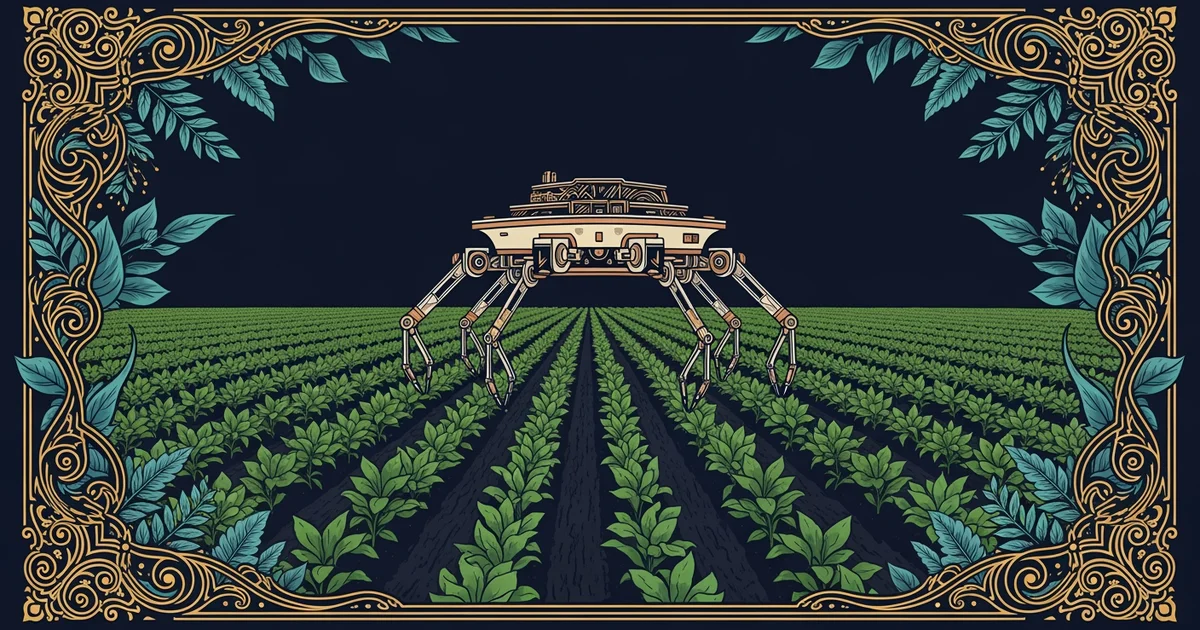
Imagine a farmer standing on a porch while a fleet of autonomous machines harvests an entire field alone. This scene represents the peak of modern efficiency, yet it creates a deep tension between technological progress and human livelihood. As these smart machines take over, we must ask if the gain in food production justifies the loss of traditional rural jobs. The shift toward total automation changes how we view the nature of work, community stability, and the future of our local food systems.
Balancing Efficiency and Human Labor
When we deploy advanced robotics, we often prioritize speed and yield over the social fabric of rural life. These machines operate without breaks, fatigue, or the need for a paycheck, which lowers the overall cost of growing our food. However, this transition forces us to consider the value of human presence in the fields. Just as a self-driving car might remove the need for a human driver, agricultural robots remove the need for manual labor. This displacement creates a challenge for communities that depend on farming wages to sustain their local economies and schools.
Key term: Technostress — the psychological pressure or anxiety experienced by workers when they must adapt to new, complex automated systems in their daily jobs.
We must weigh the benefits of cheaper produce against the potential decline of rural employment opportunities. If we remove the human element entirely, we might lose the intuitive knowledge that farmers have built up over many generations. This knowledge helps them spot subtle issues in the soil or crop health that sensors might miss. Balancing these two needs is essential for building a sustainable future where machines support humans rather than simply replacing them entirely.
The Social Cost of Automation
As we integrate these systems, the divide between large industrial farms and smaller family operations may grow wider. Large farms can afford the high cost of buying and maintaining these complex robotic fleets. Small farmers might struggle to compete, which could lead to a consolidation of land into the hands of a few tech-savvy owners. This shift affects the diversity of our food supply and the resilience of our rural landscapes. We need to ensure that the benefits of agricultural robotics reach all farmers, not just the ones with deep pockets.
| Impact Category | Effect of Automation | Social Consequence |
|---|---|---|
| Employment | Reduction in manual tasks | Loss of traditional farm jobs |
| Cost | Lower production expenses | Cheaper food for the public |
| Knowledge | Data-driven decision making | Potential loss of local expertise |
This table shows how the same technology creates both positive and negative outcomes for different groups. We must look at these impacts as interconnected parts of a larger system. Improving efficiency is a noble goal, but we cannot ignore the human cost of these rapid changes. The goal of smart farming should be to empower people to do more, rather than making their skills obsolete in the name of progress.
- Data Integration: Robots gather vast amounts of information that help us predict weather patterns and soil nutrient needs with great accuracy.
- Resource Management: By using precise application methods, these systems reduce waste and protect the environment from chemical runoff.
- Economic Shift: As we move toward automation, we must retrain the workforce to manage, repair, and design these advanced robotic systems.
These steps outline a path toward a balanced future where technology and humans work in tandem. By focusing on education and new job creation, we can turn the threat of job loss into an opportunity for growth. We must view this transition as a partnership where machines handle the heavy lifting while people manage the complex decision-making processes. This approach keeps the human spirit at the center of our food production systems even as we embrace the tools of the future.
True progress occurs when we use smart technology to enhance human potential rather than simply replacing the people who feed our planet.
Agricultural robotics represents a massive shift in how we relate to the land and the people who work it.