
Farming Challenges and Solutions
Imagine you are trying to harvest thousands of ripe apples before a sudden storm hits your farm. You realize that you simply do not have enough hands to finish the job in time, and the fruit will rot on the ground if you fail. This is the daily reality for many farmers who struggle to find enough workers to manage their crops during peak seasons. As global populations grow, we need to find ways to produce more food with fewer people working in the fields. Agricultural robotics offers a path forward by automating the tasks that humans find difficult, dangerous, or repetitive.
The Growing Problem of Labor Scarcity
Modern farming faces a severe shortage of skilled labor that threatens the stability of our food supply chains. Many people are moving away from rural areas to live in larger cities for different types of work. This shift leaves fewer individuals available to perform the physically demanding tasks required to maintain healthy vegetable and fruit crops. When farmers cannot find help, they often leave portions of their harvest to spoil, which increases food waste and drives up grocery prices for families. Robots act like a tireless extra set of hands that can work around the clock without needing breaks for rest or meals.
Key term: Labor scarcity — the economic condition where the demand for workers exceeds the available supply of people willing to perform specific tasks.
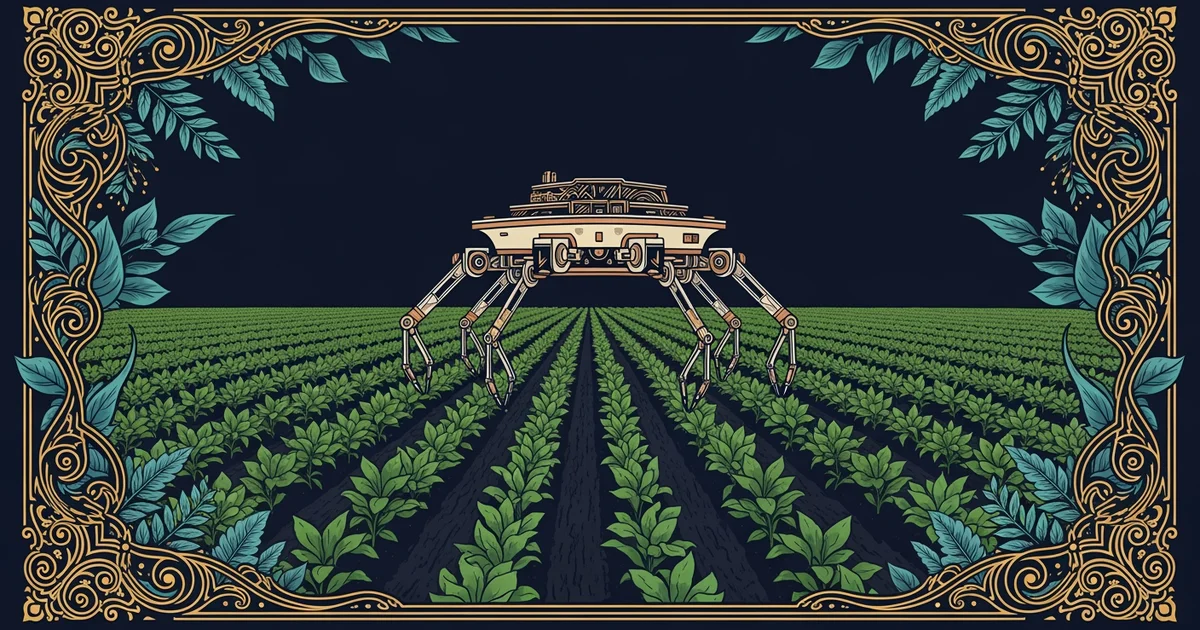
By deploying autonomous machines, farmers can ensure that their crops reach the market exactly when they are at their peak quality. These systems are designed to navigate complex field environments while performing delicate tasks like picking fruit or weeding rows. Just as a factory assembly line uses machines to build cars faster than a human could alone, agricultural robots use sensors to speed up the harvest process. This transition helps farms remain productive even when human workers are hard to find or when seasonal demands become too high for a small crew to manage.
Solving Obstacles with Robotic Precision
Farmers must overcome several consistent hurdles to keep their operations running efficiently throughout the growing season. Current robotic technology helps address these major issues by providing consistent performance in environments that are often harsh or unpredictable. These machines are built to handle the following challenges:
- Autonomous weeding systems identify and remove unwanted plants by using cameras to distinguish between crops and weeds — this process reduces the need for chemicals and saves hours of manual labor.
- Precision planting robots place seeds at exact depths and distances to ensure every plant has optimal access to sunlight and soil nutrients — this consistency leads to higher yields per acre.
- Automated harvesting units use gentle mechanical grippers to pick produce without damaging the delicate skin of the fruit — these systems ensure that more of the total harvest makes it to the grocery store shelves.
These solutions allow farmers to spend their time on higher-level management tasks rather than repetitive physical labor. By delegating the most tedious jobs to machines, the agricultural industry can stabilize its output and reduce the pressure caused by a shrinking workforce. The reliability of these robots ensures that farming becomes a more predictable business model, which encourages more people to invest in the future of food production. When we remove the uncertainty of manual labor, we create a more resilient system that can feed a hungry planet.
Improving Efficiency Through Technology
| Challenge | Robotic Solution | Primary Benefit |
|---|---|---|
| Weed Control | Optical Sensors | Less Chemical Use |
| Seed Spacing | Precision Motors | Higher Crop Yield |
| Fruit Picking | Soft Grippers | Lower Food Waste |
This table shows how specific robotic tools directly solve the physical problems that farmers face every single day. By using these technologies, farms can operate with a smaller team while producing a larger amount of food for the global market. The goal is not to replace human intelligence but to support it with tools that handle the heavy lifting. As technology improves, these machines will become even more capable of handling complex tasks in diverse weather conditions. This evolution in farming will eventually make high-quality food more accessible and affordable for everyone across the world.
Agricultural robots solve labor shortages by automating repetitive tasks, which ensures that food production remains steady and efficient despite fewer available workers.
Now that we understand how robots fix labor issues, we will look at the wider industry landscape to see who builds these machines.