
Robotics Industry Landscape
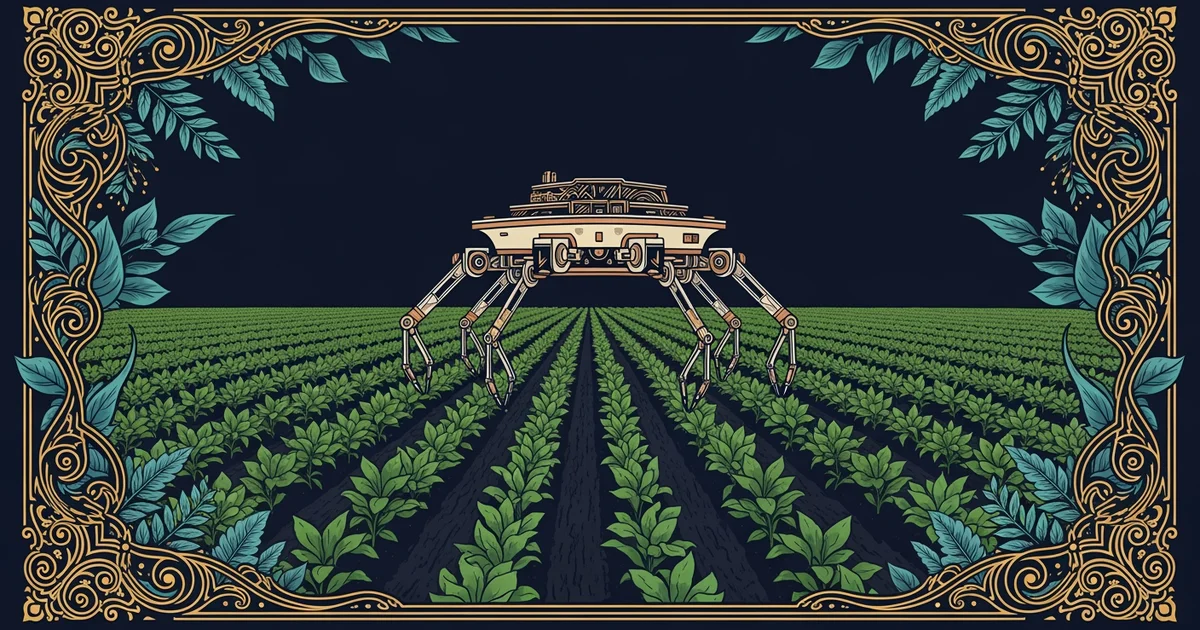
Imagine a massive field where machines work through the night without any human guidance. These robots navigate rows of crops with perfect precision while gathering data to improve future yields. Modern farms now rely on these smart tools to solve labor shortages and increase food production. Farmers use these machines like a conductor leads an orchestra to ensure every part plays in harmony. This shift represents a major change in how we view traditional agriculture and mechanical labor. By using advanced hardware, growers can manage vast areas of land with much higher levels of accuracy.
Classifying Agricultural Machinery
Agricultural robotics covers a wide range of devices that perform specific tasks to support food growth. We categorize these tools based on their primary function and their level of automation within the field. Some machines act as simple assistants while others function as fully independent units that require no human input. Think of this like choosing between a manual hand tool and a power drill for a project. The manual tool requires your constant effort, but the power drill uses external energy to complete the task much faster.
Key term: Autonomous tractors — vehicles that perform heavy field work like plowing or planting without a human driver inside.
These machines utilize GPS and sensors to map their path across the dirt with extreme care. They can operate for many hours at a time to ensure that seeds are planted at the right depth. This consistency helps crops grow uniformly, which makes the eventual harvest much easier for the farmer to manage. By removing the need for a driver, these systems allow people to focus on complex management decisions.
Specialized Harvest Robotics
While tractors handle the heavy lifting, specialized robots focus on the delicate task of picking ripe produce. These machines must identify individual fruits or vegetables using cameras to avoid damaging the surrounding plant life. This process requires complex software to distinguish between a green leaf and a ripe red strawberry. These robots are much more specialized than tractors because they perform a single, intricate task with high speed and precision.
We can compare the different roles of these machines to understand how they fit into the modern farm landscape:
| Machine Type | Primary Role | Automation Level | Key Requirement |
|---|---|---|---|
| Field Tractor | Heavy Plowing | High Autonomy | GPS Navigation |
| Fruit Picker | Delicate Harvest | Vision Guided | Image Processing |
| Crop Sprayer | Weed Control | Route Planned | Chemical Accuracy |
Each machine type provides a unique benefit that helps the farm run more efficiently throughout the growing season. The tractor prepares the soil, the sprayer protects the plants, and the harvester gathers the final food products. These robots do not replace the farmer, but they act as essential tools that extend human capabilities. By using these systems, growers can produce enough food for a hungry planet while minimizing waste and resource usage.
Robotic systems are changing the industry by allowing us to scale production while keeping costs low. As technology continues to evolve, these machines will become even more common on farms of all sizes. Understanding the difference between a general tractor and a specialized picker is the first step toward mastering agricultural engineering. We must continue to analyze how these machines interact with the environment to ensure sustainable growth for everyone. The future of farming depends on our ability to integrate these smart tools into our existing food systems effectively.
Modern agricultural robotics combines heavy-duty autonomous tractors with precise, vision-guided harvest systems to maximize food production efficiency.
Next, we will explore how these machines use advanced sensors and data collection to perceive their surroundings.
Go Deeper · Amazon
Keep going with Agricultural Robotics Engineering
Browse Agricultural Robotics Engineering on Amazon ↗As an Amazon Associate we earn from qualifying purchases. #ad