
River Restoration Methods
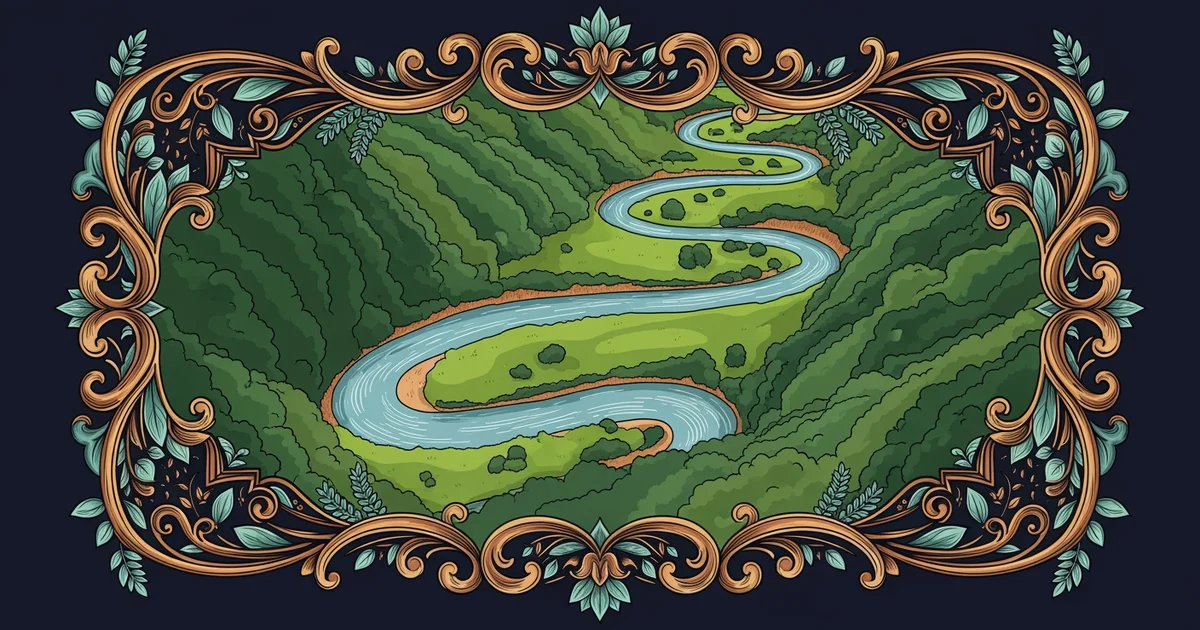
When the Elwha River dam removal began in Washington, engineers faced the massive challenge of restoring a landscape buried by sediment for decades. This is an application of the geomorphology principles we discussed in Station 11, where human intervention attempts to undo decades of physical disruption to natural water flow. Restoring a river requires more than just removing obstacles, as the channel itself needs a new structural plan to function properly again. Designers must balance the force of moving water against the stability of the surrounding earth to prevent further erosion.
Strategies for Bank Stabilization
River restoration often relies on bioengineering, which uses living plants and natural materials to reinforce eroding banks. Think of this like reinforcing a crumbling wall with strong vines instead of pouring heavy concrete that might crack under pressure. By planting native shrubs and deep-rooted grasses, engineers create a flexible network that holds soil in place while allowing the river to breathe. These living systems absorb energy from the water, which reduces the speed of the current near the bank and prevents the land from washing away during heavy storms.
Beyond simple planting, engineers use several structured techniques to redirect water flow and stabilize the channel edges effectively:
- Root wads provide structural support by anchoring large tree stumps into the bank, which creates complex habitat spaces for fish while physically blocking the water from cutting into the soft soil surface.
- Live staking involves driving dormant woody cuttings into the ground, which then sprout roots to bind the earth together, creating a permanent underground web that strengthens the riverbank over time.
- Vegetated geogrids use layers of soil wrapped in biodegradable fabric to build a strong, tiered slope, allowing native plants to grow through the fabric and eventually replace it with a natural root system.
These methods are far superior to hard engineering like concrete walls, which often fail by reflecting wave energy elsewhere and causing more damage downstream. By choosing flexible, natural materials, restoration teams ensure that the riverbank can adjust to changing water levels without losing its structural integrity or destroying the local habitat.
Managing Sediment and Flow Patterns
Once the banks are secure, the focus shifts to the physical shape of the riverbed and how it moves sediment through the system. A healthy river needs a variety of depths and speeds to support diverse life, which requires careful planning of the channel geometry. Restoration experts often install structures to mimic natural features like logs or boulders that force the water to carve out pools and riffles. This process is similar to how a business owner re-organizes a store floor to guide customers toward specific areas, ensuring the flow of traffic remains smooth and productive throughout the entire space.
Key term: Stream restoration — the process of returning a degraded river system to a more natural state by improving its physical structure and biological function.
To manage these changes effectively, restoration teams compare different intervention methods based on their specific goals for the river environment:
| Method | Primary Purpose | Material Used | Expected Outcome |
|---|---|---|---|
| Rock Vanes | Redirect flow | Large boulders | Reduced bank erosion |
| Log Jams | Create habitat | Fallen timber | Increased fish pools |
| Riparian Buffers | Filter runoff | Native plants | Improved water quality |
These interventions work best when they allow the river to express its natural character rather than forcing it into a rigid, artificial shape. If the restoration design is too stiff, the river will eventually find a way to break the design during a high-flow event, leading to more expensive repairs later. Successful restoration requires patience, as the river needs time to adjust to its new structure and settle into a stable, healthy rhythm that supports the surrounding ecosystem for many years to come.
Effective river restoration relies on using flexible, natural materials that allow the water to move according to its own physical needs while preventing destructive erosion.
But this model of restoration often faces significant challenges when urban development limits the physical space available for the river to meander.