
Symbolic Cartography Mechanics
Imagine you are holding an old map that marks a dragon cave where a local park playground actually sits today. Maps do more than just show roads; they act as a bridge between the physical world and our shared human imagination. When we overlay ancient stories onto modern terrain, we create a new way of seeing the land. This process of linking myths to coordinates is known as Symbolic Cartography.
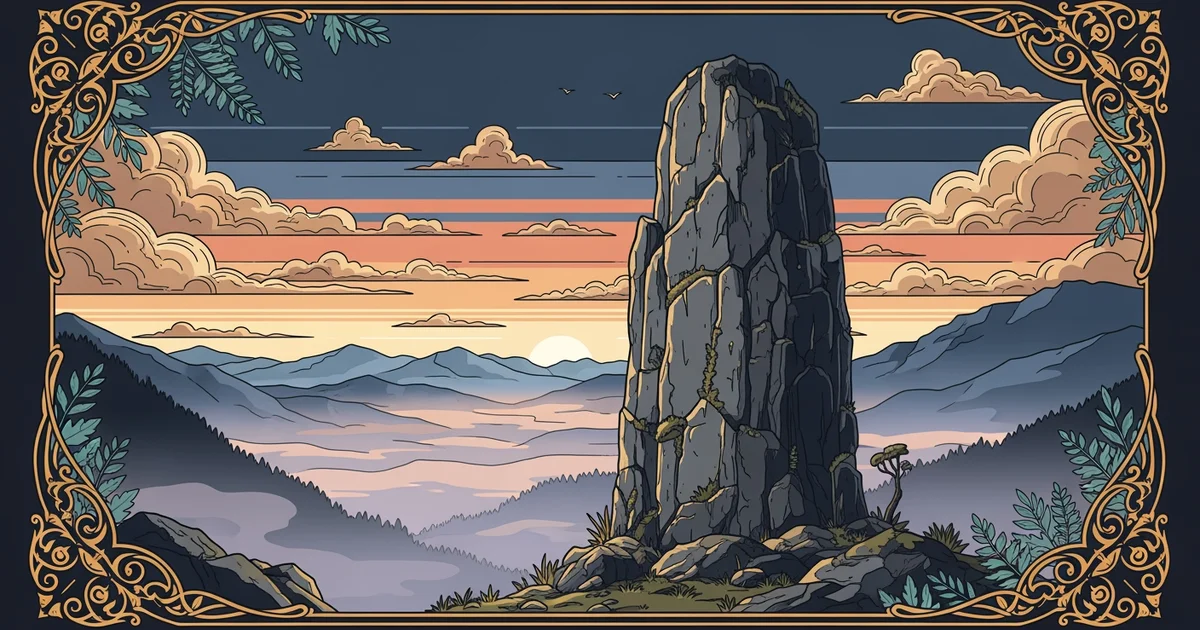
Translating Myth to Modern Maps
Mapping symbols onto physical space requires a clear understanding of how legends interact with geography. People once used stories to explain natural features like jagged cliffs or deep, dark caves. These landmarks served as anchors for cultural narratives that helped communities remember their history and their values. When you place a myth on a map, you are not just marking a spot for travel. You are marking a spot for memory, ensuring that the physical environment holds a deeper meaning for everyone who visits the area. Think of this like a digital pin on a smartphone map that reminds you of a special life event. The pin does not change the street, but it changes how you feel when you walk past that specific location.
Key term: Symbolic Cartography — the practice of assigning cultural or mythical meaning to specific physical locations on a map to preserve human history.
When you begin to map these symbols, you must identify physical landmarks that align with the themes found in your local stories. If a tale speaks of a giant spirit living in a high mountain peak, you look for the highest point in your current region. This alignment allows you to treat the landscape as a living document. You are essentially building a layer of history that sits right on top of the physical ground. This layer remains invisible to those who do not know the stories, but it becomes a vivid reality for those who do. By documenting these connections, you transform a simple walk through a park into a journey through your community's heritage.
Mechanics of Symbolic Placement
To build a symbolic map, follow these logical steps to ensure your placements are both accurate and meaningful to your local audience:
- Identify the core legends that define the character or history of your local geographic area.
- Locate the specific physical features that match the descriptions found within those ancient cultural narratives.
- Verify the coordinates of these features to ensure your symbolic markers align with modern navigation tools.
- Document the relationship between the physical feature and the story to explain why that spot matters.
These steps ensure that your map serves as a reliable guide for both physical travel and cultural exploration. When you place a marker, you are creating a bridge between the past and the present. This bridge allows future generations to understand why their ancestors valued specific parts of the landscape. Without this clear documentation, the stories might fade away as the physical landscape changes over time. Your work acts as a preservative for the collective memory of the people who lived there long before you arrived.
| Feature Type | Symbolic Meaning | Modern Location | Purpose |
|---|---|---|---|
| High Peak | Spirit Home | North Ridge | Guidance |
| Deep Cave | Hidden Past | River Bend | Mystery |
| Wide River | Flow of Time | Valley Floor | Change |
By comparing these different types of locations, you can see how specific geography influences the types of stories that emerge. A mountain often represents a guardian, while a river often represents a transition or a journey. Understanding these patterns helps you predict where other symbolic markers might exist in different regions. You are not just drawing lines on paper; you are decoding the language of the landscape itself. This process turns every local hike into an opportunity for discovery and historical connection.
Want this with sources you can check?
Premium Learning Paths for Earth Sciences & Geography are researched against open-access libraries — PubMed, arXiv, government databases, and more — with their distinctive claims cited to real sources and independently checked.
See what Premium includes