
Mountain Spirits and Elevation
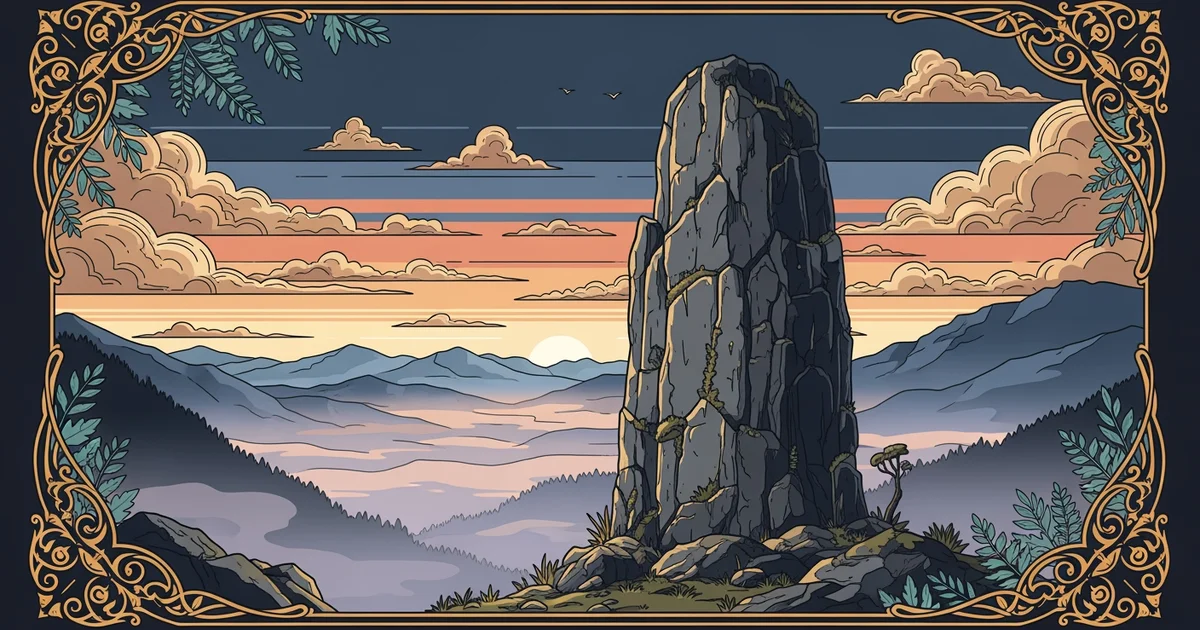
Clouds gather around jagged peaks, and local legends often describe these high places as the homes of powerful, invisible beings. When you look up at a towering mountain, you are seeing a physical boundary that separates the world of humans from the realm of the divine.
The Vertical Link to the Divine
Ancient cultures frequently viewed tall mountains as a natural bridge between the earth and the heavens. Because these peaks reach toward the sky, people believed that spirits or deities chose these high points to observe the world below. This connection is not merely symbolic, as the physical difficulty of climbing these slopes reinforced the idea that only special beings could inhabit such extreme, thin-aired environments. Think of a mountain like a high-security office building where only the top executives have access to the penthouse suite. Just as employees might imagine the activities happening on the top floor, ancient people projected their own hopes and fears onto the inaccessible summits above them. The elevation creates a sense of isolation that mirrors the perceived distance between mortal life and the supernatural. By placing gods on these peaks, societies established a clear hierarchy where the most important forces of nature resided far above the reach of everyday human struggle.
Traits of Mountain-Dwelling Figures
Mythical figures associated with high elevations often share specific traits that reflect the harsh conditions of their homes. These spirits are rarely described as gentle, as they must command the volatile weather systems that dominate the upper reaches of the atmosphere.
Key term: Topographic deification — the process where physical landforms like mountains are treated as living, conscious entities with divine authority.
Common characteristics of these mountain spirits include:
- Weather manipulation powers, where the spirits control the sudden storms and shifting winds that frequently plague climbers or travelers near the summit.
- Demanding temperaments, which reflect the unpredictable nature of highland climates that can turn dangerous without warning, forcing humans to show constant respect.
- Guarding behaviors, as these figures act as gatekeepers who protect the hidden resources or sacred paths that lead to the very top of the peak.
These traits serve as a cultural map for understanding how people viewed the risks of mountain travel. When a story describes a spirit as a guardian, it is often a way to explain why certain paths are dangerous or why specific areas of a mountain remain unexplored by local populations.
Elevation and the Perception of Power
Geography dictates the way stories evolve because the physical height of a mountain directly influences the perceived status of its inhabitants. Higher peaks are almost always associated with more powerful, distant, or authoritative deities compared to the spirits found in lower hills or valleys. This relationship suggests that elevation acts as a filter for human imagination, where the higher the altitude, the more abstract and divine the spirit becomes.
| Mountain Type | Associated Spirit Power | Human Interaction Level |
|---|---|---|
| Foothills | Localized, helpful spirits | Frequent and casual |
| Mid-Range | Weather-controlling beings | Seasonal and ritualistic |
| High Peaks | Supreme, distant deities | Rare and highly formal |
This table illustrates how the physical reality of the landscape forces people to categorize their beliefs based on the effort required to reach those heights. As you move from the valley to the summit, the spirits transition from friendly neighbors to distant, powerful rulers. This shift reflects the reality of physical exertion, as the higher you climb, the more you realize your own limitations against the vast scale of the mountain.
Humanity uses the vertical scale of mountains to organize the power of nature into a structured hierarchy of divine beings.
The next Station introduces symbolic cartography mechanics, which determines how these mythical landscapes are recorded on physical maps.