
Defining Geographic Folklore
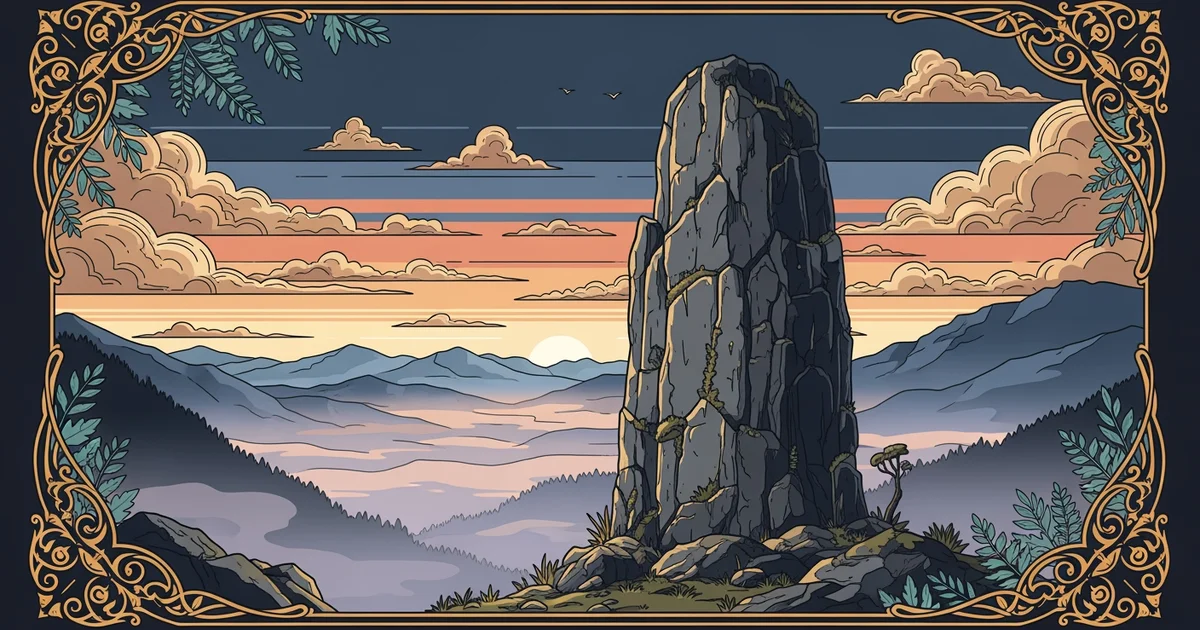
Imagine standing before a massive, jagged mountain that seems to tell a story through its very shape. You might wonder if those deep cracks and strange peaks were created by simple forces of nature alone. Most people see rocks, but ancient cultures often saw a landscape filled with living history and deep meaning. This way of viewing the world is what we call geographic folklore, a bridge between the physical ground and human imagination. It turns every valley and cliff into a page of a massive, unwritten book that humanity has been reading for thousands of years.
The Roots of Landscape Stories
When we look at the Earth, we see landforms that change over millions of years through wind and water. However, early humans did not have modern tools to measure tectonic plates or ancient erosion cycles. Instead, they used stories to explain why a mountain stood in a specific place or why a river curved. These narratives are not just fairy tales meant to entertain children around a fire at night. They are actually early attempts to document the environment and make sense of a world that felt unpredictable. Think of these stories like a map drawn in invisible ink that only makes sense if you know the legend.
Key term: Geographic folklore — the collection of oral traditions and stories that explain the physical features of a landscape.
These stories often function like an ancient database for communities living in harsh or changing environments. By attaching a story to a dangerous cliff, elders could teach younger generations about the risks of falling without needing a warning sign. The story makes the information memorable, ensuring that vital survival knowledge survives through generations of oral tradition. This creates a cultural bond with the land, turning a simple hill into a landmark that holds the collective memory of a people. It is a way of mapping reality using the only tool available to them, which was the human voice.
Connecting Land to Human Experience
We often think of science and storytelling as two separate things, but they overlap in how we process information. When you describe a place to a friend, you use metaphors and feelings rather than just latitude and longitude coordinates. This is the same logic used in oral tradition, which relies on repetition and vivid imagery to keep history alive. Just as a business uses a brand story to help customers remember their values, ancient cultures used folklore to help their members remember their geography. The land becomes a physical anchor for the identity of the group, grounding their existence in the soil they walk upon every single day.
To understand how these stories function, we can look at the different ways they categorize the physical world around them:
- Origin narratives provide a reason for why a mountain exists or why a lake formed in a specific depression, often linking the event to a powerful force or a legendary character.
- Warning legends serve as a mnemonic device that keeps people away from dangerous cliffs or unstable terrain by associating the area with a spooky or cautionary tale.
- Resource markers use stories to highlight where water can be found or where specific plants grow, ensuring that the community knows where to go for survival.
These categories show that folklore is a practical tool for managing life on Earth. It is not just about myths; it is about organizing the world so that it feels like a familiar home rather than a chaotic wilderness. By creating these links, people turn the vast, indifferent planet into a meaningful map that guides their daily actions and long-term planning. You are now beginning a journey that will show you how these ancient tales provide a unique framework for understanding the Earth’s complex physical history.
Ancient stories about landscapes serve as a cultural framework that helps human societies organize, remember, and respect the physical environment around them.
By the end of this path, you will be able to identify how these diverse cultural narratives reflect real geological events and shape our modern perspective on the planet.