
Etiquette in Modern Contexts
Imagine you are at a crowded dinner party where the host serves food in a casual, buffet-style layout. You notice your neighbor using a salad fork for the main course, while others reach across the table to grab napkins without asking for help. These moments create a subtle tension between traditional rules and the reality of modern, fast-paced social gatherings. Adapting your behavior allows you to maintain grace while ensuring that everyone feels comfortable in any setting.
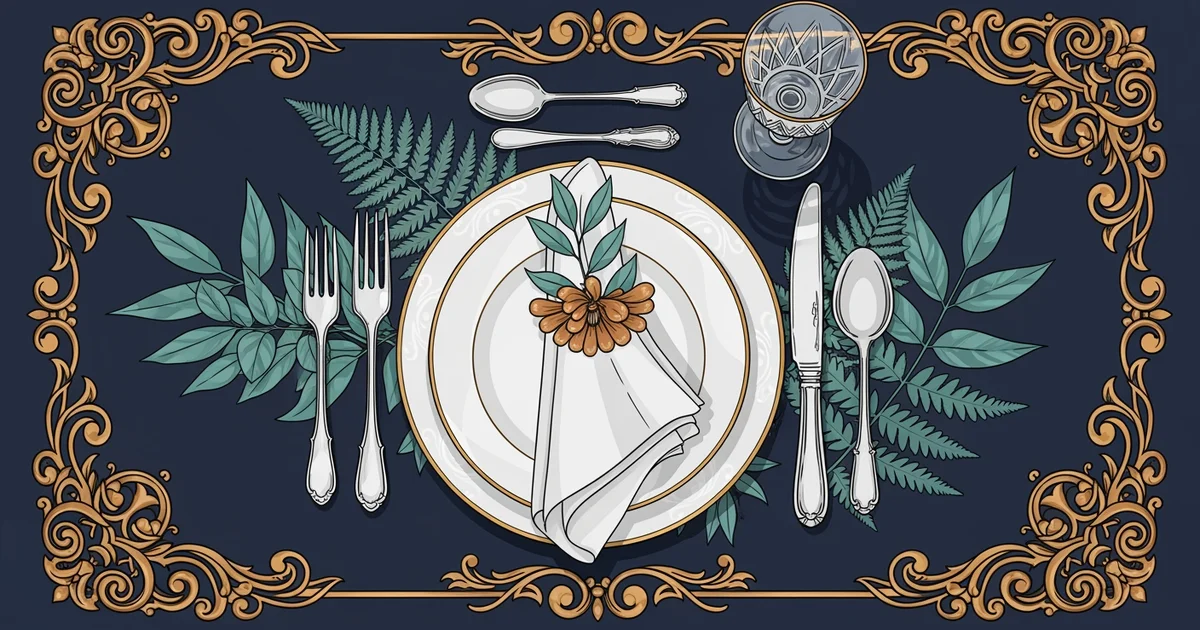
Navigating Modern Social Expectations
Traditional table etiquette often feels rigid, but its true purpose is to reduce anxiety for all guests involved. Think of etiquette like the rules of a road; they provide a predictable framework that keeps traffic moving safely and efficiently. If everyone drives in a random direction, accidents occur, and the journey becomes stressful for every single driver on the road. By following basic guidelines, you signal respect for the host and consideration for the people sitting around you at the table.
Modern dining often removes the formal barriers found in older, more structured traditions. You might find yourself eating at a high-top table, a shared counter, or even a picnic blanket in a public park. In these spaces, strict adherence to complex fork placements can actually create more social friction than it solves. Instead of obsessing over which spoon to use, focus on the core principle of making your companions feel at ease during the meal.
Key term: Etiquette — the set of conventional rules that govern social behavior and interactions to ensure mutual respect and comfort.
Applying Flexibility to Dining Trends
When you enter a contemporary space, you should observe the general atmosphere before deciding how to act. If the environment is relaxed, forcing a formal, multi-course style of behavior might make your companions feel judged or uncomfortable. True social intelligence involves reading the room and adjusting your level of formality to match the host and the group. This does not mean abandoning all manners, but rather prioritizing connection over the rigid enforcement of outdated, stuffy protocols.
To manage these transitions effectively, consider these three core principles for modern dining:
- Communication through body language matters more than knowing exactly which glass is for water versus wine — sit upright, maintain eye contact, and show genuine interest in the conversation.
- Respect for the host requires you to follow their lead on timing and pace — if they start eating, you should follow suit rather than waiting for an imaginary signal.
- Shared space management involves keeping your personal items off the table surface — this prevents clutter and allows everyone to focus on the meal and the social interaction.
Balancing Tradition and Convenience
As you synthesize your knowledge from this path, remember that the foundation of a proper table setting is not about perfection. It is about creating an environment where the focus remains on the people sharing the food. You can blend the lessons from thematic event planning with the reality of modern, casual dining by keeping the setup simple yet thoughtful. A beautiful, well-organized table acts as a silent host that welcomes guests before a single word is even spoken.
Consider how your previous knowledge of thematic events helps you create a cohesive experience even in casual settings. When you understand the logic behind why we place items in specific spots, you can adapt those rules to any situation. You are not just placing silverware; you are designing a space that facilitates human connection. This skill remains valuable whether you are hosting a formal dinner or grabbing a quick bite with friends in a busy, modern city.
True etiquette is the art of adapting your behavior to make others feel comfortable and valued in any social environment.
Understanding how to balance traditional structure with modern flexibility ensures you can navigate any dining experience with confidence and grace.