
Origins of Table Etiquette
Imagine sitting at a formal dinner where everyone follows a secret, unspoken code of conduct. You notice that people wait for the host to start eating before they touch their food. You see them place napkins in their laps with precise, practiced movements that feel very natural. These habits are not random choices made by guests on a whim or a lucky guess. They are the results of centuries of social evolution that refined how we share our meals. Understanding these roots helps you see that every fork placement serves a specific purpose in human society.
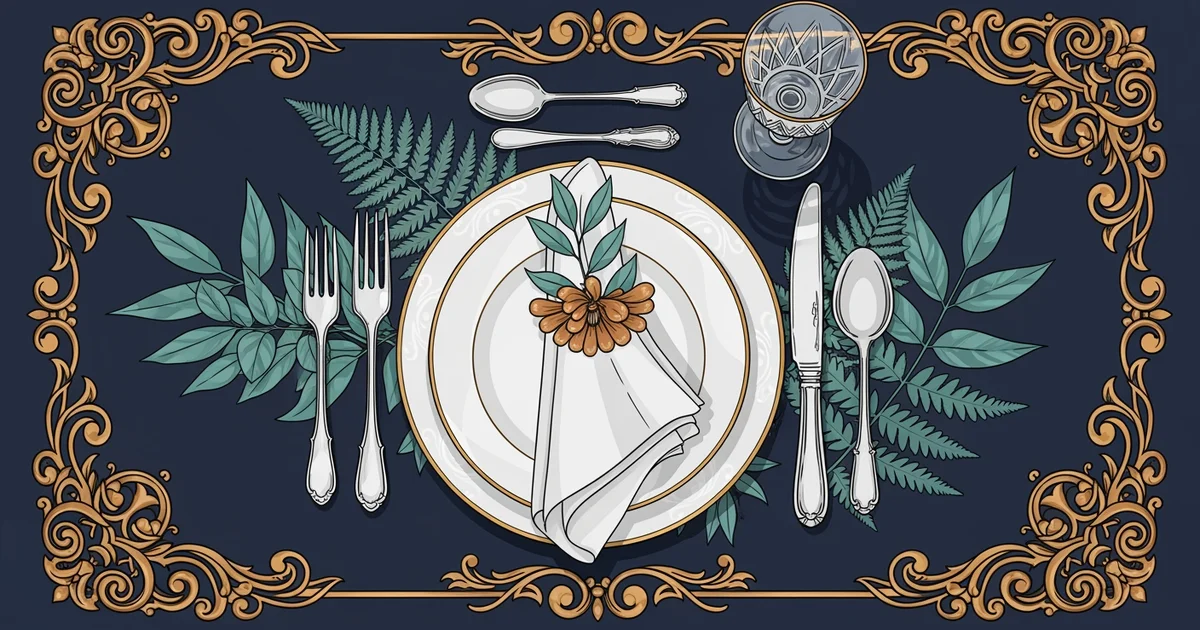
The Historical Roots of Dining Customs
Dining rules began as a way to maintain safety and order in crowded, chaotic banquet halls. In ancient times, people often ate with their hands while sitting in large, shared groups. Because knives were common personal tools, carrying a sharp blade to a meal was a standard practice. Etiquette emerged as a way to ensure that guests kept their weapons sheathed while eating together. Rules about which hand holds the spoon or where to place the knife helped reduce accidental injuries. Over time, these safety measures transformed into the polished manners we use today in our homes.
Think of table etiquette like the rules of the road for a busy city intersection. Without traffic lights and lanes, cars would collide because no one knows who goes first. Dining customs act like these traffic lights for your social interactions at the dinner table. They prevent awkward pauses or accidental spills by creating a predictable rhythm for every person involved. When everyone follows the same set of signals, the meal flows smoothly and everyone feels comfortable.
Why We Follow Modern Table Rules
Modern table settings evolved to communicate respect for the host and the people around you. By following established patterns, you show that you value the effort put into the meal. This practice creates a shared environment where guests can focus on conversation instead of logistics. The arrangement of plates and glasses is not just about decoration or looking fancy for guests. It is about making the dining experience efficient and pleasant for everyone sitting at the table.
Key term: Etiquette — the set of conventional rules that govern social behavior and interactions in formal settings.
To understand how these rules developed, we can look at the transition from communal eating to individual settings:
- Communal bowls required people to reach across others, which often led to messy spills and tension.
- Individual plates allowed guests to keep their own space, which naturally reduced the need for physical conflict.
- Standardized utensil placement helped servants know when a course was finished, which improved the speed of service.
These shifts moved dining from a chaotic activity into a structured event that prioritizes guest comfort. This evolution shows that manners are essentially tools for making social connections easier and more enjoyable. When you set a table correctly, you are building a bridge between your hospitality and your guest's experience. You are telling them that their presence is valued and that you have prepared for their arrival. This level of care elevates a simple meal into a memorable event that builds lasting personal bonds.
Proper table settings turn a basic meal into a respectful social experience by using historical safety norms to guide modern interaction.
By mastering these foundational origins, you will soon learn how to arrange your own table to elevate your next dining experience.