
Napkin Folding Techniques
Imagine you are hosting a dinner party where the table looks flat and uninviting because the napkins are just lying there. You want to elevate the mood, but you do not know how to turn simple fabric into a piece of art. A well-folded napkin acts like a visual handshake, telling your guests that you put thought into their comfort before they even sit down. This small detail transforms a basic meal into a professional dining experience by adding structure and elegance to the setting. Mastering these shapes allows you to control the tone of your table, whether you want a casual look or a formal presentation.
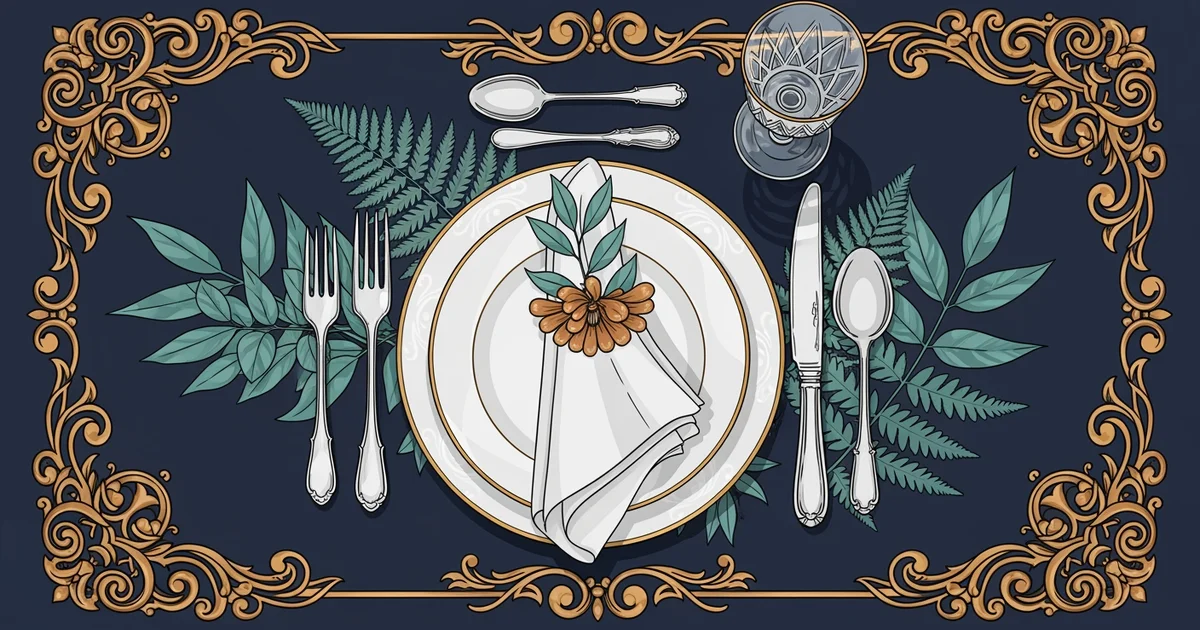
The Geometry of Fabric Folding
Learning to fold napkins is much like learning to build a house because you must create a stable foundation before adding decorative details. You start with a square piece of fabric, which acts as your base material for every design. If the base is not folded with crisp edges, the final shape will look messy and lose its form. Think of the napkin as a piece of currency in the economy of table design; a crisp, well-folded napkin adds value to the visual space, while a wrinkled or poorly folded one feels like a devalued asset. You must press your creases firmly to ensure the fabric holds its shape throughout the entire meal. Precision at the start prevents the structure from collapsing later when guests reach for their plates.
Key term: Napkin folding — the art of shaping fabric into structured forms to improve the visual appeal of a dining table.
Techniques for Professional Displays
Once you master the base folds, you can experiment with different styles that suit the theme of your event. Some folds require the napkin to stand upright, while others rest flat against the plate or tuck neatly into a glass. You should choose a style that complements the other elements on your table, such as the centerpiece or the dinnerware. A standing fold adds height and drama, which works well for formal dinners where you want to draw the eye upward. A flat fold remains subtle and elegant, making it ideal for intimate gatherings where the food should be the primary focus of attention. Consistency is the key to a professional look, so ensure every napkin on the table follows the exact same pattern.
There are three classic styles that work for almost any dining occasion:
- The Pyramid Fold creates a tall, triangular structure that stands firmly on the plate by using a series of diagonal folds to build height and stability.
- The Fan Fold mimics the appearance of a handheld accessory, providing a wide and decorative display that looks sophisticated when placed inside a shallow bowl or glass.
- The Pocket Fold creates a neat, rectangular pouch that offers a functional space for you to tuck in a menu card or a set of polished silverware.
Maintaining Structure and Balance
When you arrange your table, remember that the napkin should never interfere with the guest's ability to eat comfortably. A fold that is too large or bulky can clutter the plate and make it difficult for the guest to access their meal. You want to strike a balance between visual impact and practical utility, ensuring that the napkin is easy to unfold without requiring a complex puzzle to solve. If you use stiff fabric, your folds will hold their shape longer, but softer materials offer a more luxurious feel that guests appreciate during long meals. Always test your folds in advance to see how they behave on the table surface under normal lighting conditions.
| Fold Style | Visual Impact | Best Use Case | Complexity |
|---|---|---|---|
| Pyramid | High | Formal Dinners | Moderate |
| Fan | Medium | Casual Parties | Easy |
| High | Event Menus | Moderate |
By choosing the right style for your specific occasion, you can guide the mood of the room without saying a single word. The napkin acts as a silent host, welcoming your guests and setting the standard for the quality of the service they are about to receive. As you practice these techniques, you will find that your confidence grows and your ability to curate a beautiful dining environment becomes second nature. Focus on the crispness of your lines and the symmetry of your placement to ensure that every guest feels like an honored visitor at your table.
Proper napkin folding transforms simple table settings into curated experiences by using fabric structure to signal intentionality and care to every guest.
The next Station introduces centerpiece selection criteria, which determines how decorative items interact with your napkin folds to create a balanced visual landscape.