
Glassware and Beverage Service
A guest reaches for a glass at a formal dinner and finds it placed exactly where they expect it to be. This smooth interaction shows how proper placement removes friction from the dining experience. When servers position glassware with intent, they guide the guest through a sequence of drinks without needing to offer verbal instructions. Proper arrangement acts like a map for the palate, ensuring the right glass arrives at the right time. By following standard service sequences, you turn a simple drink into a thoughtful part of the meal.
The Logic of Glassware Placement
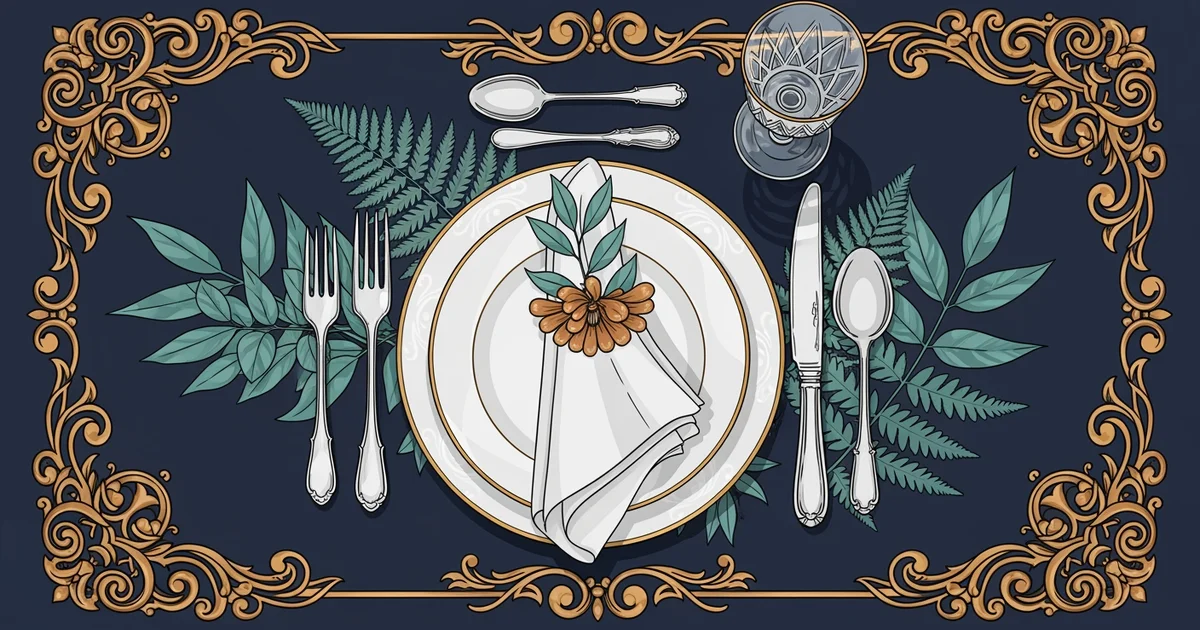
Proper glassware placement begins with the principle of utility and accessibility for the seated guest. You should always arrange glasses in a cluster above the dinner knife and the spoon. This specific location keeps the drink within easy reach of the right hand. Think of this arrangement like a well-organized office desk where the most frequent tools stay closest to your dominant hand. Placing the primary water glass directly above the knife makes it the anchor for all other pieces. You then build the rest of the cluster around this central point to maintain balance.
Key term: Beverage service — the systematic process of placing and refilling glassware to ensure guests enjoy drinks throughout a meal.
When you add more glasses for wine or other drinks, you must follow a logical sequence based on the order of consumption. The glass intended for the first course sits to the right of the water glass. Subsequent glasses move outward to the right or form a secondary row behind the first. This layout prevents the guest from reaching over one glass to grab another. You create a visual progression that tells a story about the meal. Each glass serves as a silent invitation to enjoy a different part of the culinary journey.
Standard Service Sequences and Patterns
Maintaining a consistent pattern across the table ensures that every guest receives the same level of care. You should use a standardized layout to help the service staff work quickly without disturbing the guests. The following table outlines how different glass types relate to their position in a standard multi-course service setting.
| Glass Type | Primary Use | Placement Logic |
|---|---|---|
| Water Goblet | Continuous | Center of cluster |
| Red Wine | Main Course | Left of water |
| White Wine | First Course | Right of water |
Organizing these items requires a keen eye for symmetry and spacing across the entire table. If you crowd the glasses too closely, the guest feels cramped and might accidentally knock one over. You must leave enough space between the base of each glass for a hand to move freely. This creates a clean look that elevates the atmosphere of the room. A well-spaced cluster signals that the host values both order and the comfort of their guests.
When you arrange these items, consider the physical flow of the service staff during the meal. Servers must be able to refill glasses without reaching across the guest or the food. Placing the water glass at the top of the knife allows for easy access from the side of the table. You should treat the table surface like a professional workspace where every tool has a designated home. This level of detail transforms a basic table setting into a professional dining environment. Your attention to these small details reflects the respect you hold for the people sharing the meal.
Proper glassware placement acts as a silent guide that directs the guest through a meal with ease and elegance.
The next Station introduces napkin folding techniques, which determine how you add formal flair to the final table setting.