
Foraging and Local Ecosystems
Walking through a quiet forest path, you might notice wild berries or leafy greens that could easily become part of your next dinner. Many people see these plants as simple decorations, but they are actually vital components of a healthy and balanced local ecosystem. Foraging allows you to connect directly with the land while gathering fresh ingredients that have never seen the inside of a grocery store shelf. By learning to identify what grows in your own backyard, you transform from a passive consumer into an active participant in the natural cycle of your local environment. This process of gathering food from the wild requires patience, careful observation, and a deep respect for the living world around you.
Understanding Local Ecology
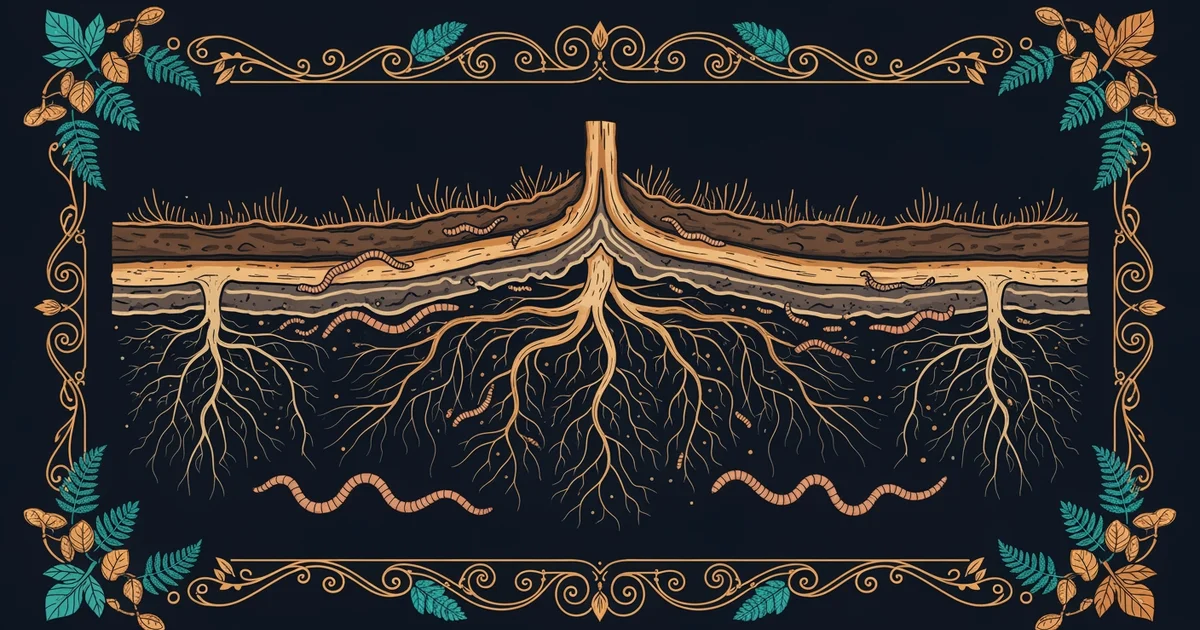
When you begin to forage, you start to see that every plant plays a specific role in supporting the life around it. Think of the local ecosystem as a bustling neighborhood where every resident has a job, such as providing shade, aerating the soil, or offering nectar to passing bees. If you take too much from one spot, you disrupt the balance of that neighborhood, leaving other residents without the resources they need to thrive. Responsible foragers act like careful guests who only take what the host can easily spare without feeling the loss. This approach ensures that the environment remains productive for years to come, allowing you to return to the same spots throughout the changing seasons.
Key term: Foraging — the act of searching for and gathering wild food resources from the natural environment in a sustainable manner.
To keep your impact low, you must learn to identify plants accurately before you even think about harvesting them. Mistaking a toxic plant for an edible one is a serious risk, so you should always start by studying local guides that focus on native species. Once you can identify your targets, you should practice the rule of thirds, which suggests taking only one third of what you find. This simple strategy leaves enough behind for the local wildlife and ensures the plant population can continue to reproduce without any issues. By following these guidelines, you turn a simple walk in the woods into a meaningful lesson about how nature provides for us.
Sustainable Gathering Practices
Beyond just picking plants, you must consider the health of the soil and the water sources where your food grows. Many wild plants act as natural filters, meaning they can absorb heavy metals or pollutants if the area is not clean. Before you harvest anything, you should always check that the site is free from chemical runoff, busy roads, or industrial waste. A healthy ecosystem produces clean, nutrient-rich food, while a degraded area might offer plants that are unsafe to eat. Integrating these gathered items into your kitchen requires the same attention to quality and safety that you would use for any store-bought vegetable.
| Practice | Goal | Benefit |
|---|---|---|
| Rule of Thirds | Preservation | Ensures plant survival |
| Site Inspection | Safety | Avoids toxic pollutants |
| Positive ID | Accuracy | Prevents accidental poisoning |
Using these gathered ingredients in your cooking highlights the unique flavors of your specific region, which is often called terroir. When you eat food grown in your own local ecosystem, you reduce the carbon footprint associated with shipping items across long distances. This connection between your plate and the local landscape helps you appreciate the effort required to produce high-quality food. As you experiment with these wild flavors, you will find that your culinary skills grow alongside your understanding of the natural world. Each meal becomes a celebration of the unique conditions that make your local environment special and worth protecting for future generations.
Sustainable foraging transforms the way you interact with nature by turning local ecosystems into a source of fresh food that encourages environmental stewardship.
The next Station introduces microbial life in fermentation, which determines how nature breaks down organic matter to create complex new flavors.