
Culinary Heritage and Diversity
Imagine your grocery store shelves filled with only one type of apple, one type of carrot, and one type of wheat. If a single disease or climate shift struck that specific crop, our entire food supply would suddenly vanish overnight. This vulnerability highlights why maintaining a wide variety of plants is essential for our survival and our dinner plates. Culinary heritage relies on this vast genetic library to ensure that we have resilient crops capable of thriving in changing conditions. By protecting these unique varieties, we preserve the flavors and textures that define our diverse global food culture.
The Vital Role of Crop Biodiversity
Biodiversity acts like a complex financial portfolio for the planet because it spreads risk across many different assets. When farmers grow many heirloom varieties, they ensure that some plants will survive even if others fail due to pests or heat. This diversity provides a natural insurance policy against environmental disasters that could wipe out a single-crop system. Beyond resilience, these older varieties often contain unique flavor profiles that modern industrial crops have lost during mass production. Choosing these diverse options supports farmers who prioritize ecological health over simple yield volume, which directly impacts the quality of the food we consume.
Key term: Heirloom — a plant variety that has been passed down through generations because of its unique traits like flavor, color, or growth habit.
Using diverse crops transforms the kitchen from a place of routine into a laboratory of discovery and history. Every heirloom tomato or ancient grain tells a story about the region where it was developed and the people who grew it. Integrating these foods into our daily meals allows us to taste the past while supporting a future where agriculture works with nature. Think of biodiversity as a massive library where each plant is a book containing essential survival information for the earth. If we burn the library by focusing only on one or two crops, we lose the knowledge required to adapt to future challenges.
Benefits of Heirloom Varieties
When chefs and home cooks prioritize these older, diverse plant varieties, they provide several tangible benefits for both the environment and the dining experience. These crops are often better adapted to local soils, meaning they require fewer synthetic inputs like fertilizers or pesticides to reach maturity. Their unique genetic makeup also contributes to a more robust food system that can withstand unpredictable weather patterns better than uniform commercial hybrids. Consider the following advantages of incorporating these diverse plant varieties into your regular culinary rotation:
- Greater flavor complexity occurs because heirloom varieties prioritize taste over the shelf life or shipping durability required by massive global supermarkets.
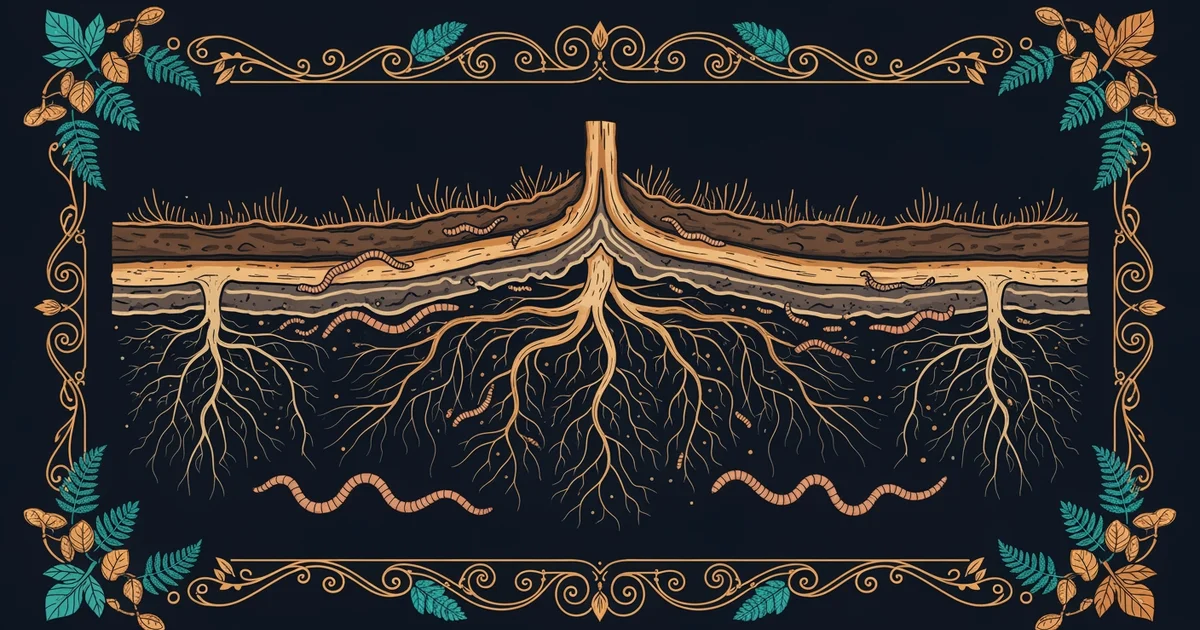
- Enhanced soil health develops when farmers rotate diverse crops, as different root structures and nutrient needs prevent the depletion of specific minerals.
- Increased food security emerges because a wider range of crops makes the entire agricultural system less likely to collapse from a single threat.
These benefits create a ripple effect that starts in the soil and ends on your dinner plate with a more vibrant meal. By choosing ingredients that reflect this diversity, you become an active participant in restoring the health of our planet. This choice is not just about taste, but about valuing the complex web of life that sustains us every single day. Understanding this connection helps us appreciate why a simple vegetable can be a powerful tool for environmental change. As we learn more about these plants, we start to see the hidden value in every bite we take.
Preserving diverse crop varieties is essential because it builds agricultural resilience and protects the unique flavors that define our global culinary heritage.
Now that we understand the importance of variety, we will explore how the specific health of the soil directly influences the flavor and nutritional quality of the food we eat.