
Carbon Sequestration in Kitchens
A simple carrot peel sitting in your kitchen bin holds more potential than you might assume. When that scrap reaches a landfill, it releases harmful gases that trap heat within our atmosphere. You can stop this cycle by treating your kitchen waste as a valuable resource for planetary health. By shifting how you handle organic scraps, you turn a common chore into an act of environmental restoration.
The Engine of Carbon Storage
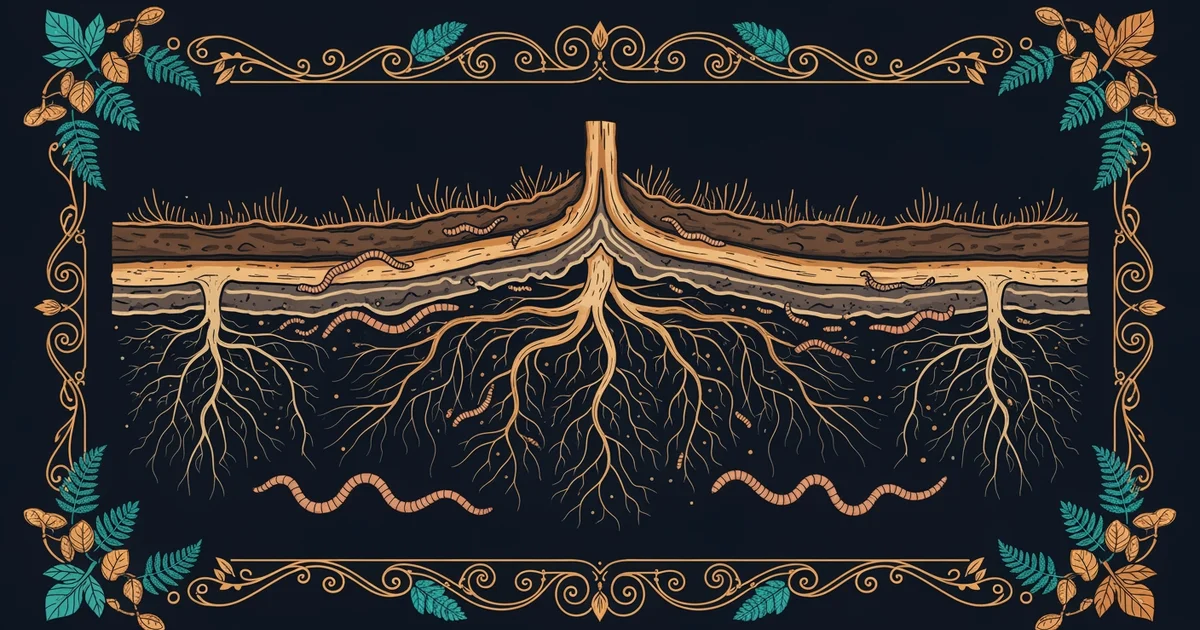
Nature uses a process called carbon sequestration to pull carbon dioxide out of the air and lock it safely into the ground. Plants absorb this gas while they grow, effectively storing carbon within their own fibers and roots. When we return these plant parts to the soil, the carbon stays trapped beneath the surface instead of escaping into the air. Think of your soil as a massive bank vault for carbon, where every organic scrap you add acts like a new deposit that builds long-term wealth for the earth. If you send these scraps to a landfill, the vault stays empty and the atmosphere pays the price for our oversight.
Key term: Carbon sequestration — the natural or man-made process of capturing atmospheric carbon dioxide and storing it in solid or liquid form.
Building this soil bank requires active management of the materials we discard after our daily cooking tasks. You might think that tossing a few onion skins or apple cores does not change anything for the planet. However, the cumulative impact of daily kitchen habits determines whether your home contributes to a cycle of decay or a cycle of growth. When you compost properly, you provide the perfect environment for microbes to transform waste into stable humus. This dark, rich soil acts as a sponge that holds water and keeps carbon locked away for many years.
Transforming Waste into Soil Wealth
Managing your kitchen waste effectively involves sorting materials based on how quickly they return nutrients to the earth. You should prioritize items that break down into stable organic matter without producing excessive methane. The following list highlights common kitchen items and their role in building healthy soil environments:
- Vegetable peelings and fruit scraps provide the essential nitrogen and carbon balance needed for microbes to thrive during the decomposition process.
- Coffee grounds contribute fine organic particles that improve soil structure and help retain moisture for plants growing in your garden beds.
- Eggshells add necessary minerals like calcium to the soil, which helps strengthen plant cell walls as they absorb nutrients from the earth.
To ensure your kitchen waste supports this system, you must avoid adding non-organic materials that disrupt the natural breakdown process. Plastics, metals, and synthetic chemicals stop the biological engine of your compost pile and prevent carbon from being stored correctly. By keeping your waste stream clean, you make it easier for nature to perform the heavy lifting of carbon capture. This simple habit turns every meal preparation into a small victory for the environment and improves the flavor of the food you grow.
| Material Type | Carbon Impact | Best Use Case |
|---|---|---|
| Green Scraps | Very Positive | Garden Compost |
| Brown Paper | Positive | Carbon Source |
| Meat/Dairy | Negative | Avoid in Home |
Understanding these categories helps you make better choices when you clean up after a large family dinner. You are essentially acting as a manager for a small ecosystem that functions within your own home boundaries. As you refine these habits, the quality of your soil will improve and the cycle of carbon storage will become more efficient. Every piece of organic matter you divert from the trash represents a step toward a healthier and more sustainable food future.
Improving your kitchen waste management directly aids carbon sequestration by turning organic scraps into stable soil components instead of harmful atmospheric gases.
The next Station introduces local foraging ecosystems, which determines how natural biodiversity supports the health of our planet.