
Defining Regenerative Agriculture
Imagine you are holding a crisp apple grown in soil that feels alive and smells like fresh rain. Many people think farming is just about planting seeds and waiting for the rain to arrive. However, modern food systems often strip the land of its natural strength and vibrant nutrients. We must learn to view the ground beneath our feet as a living engine for growth. This new way of thinking helps us understand how our meals impact the earth every single day.
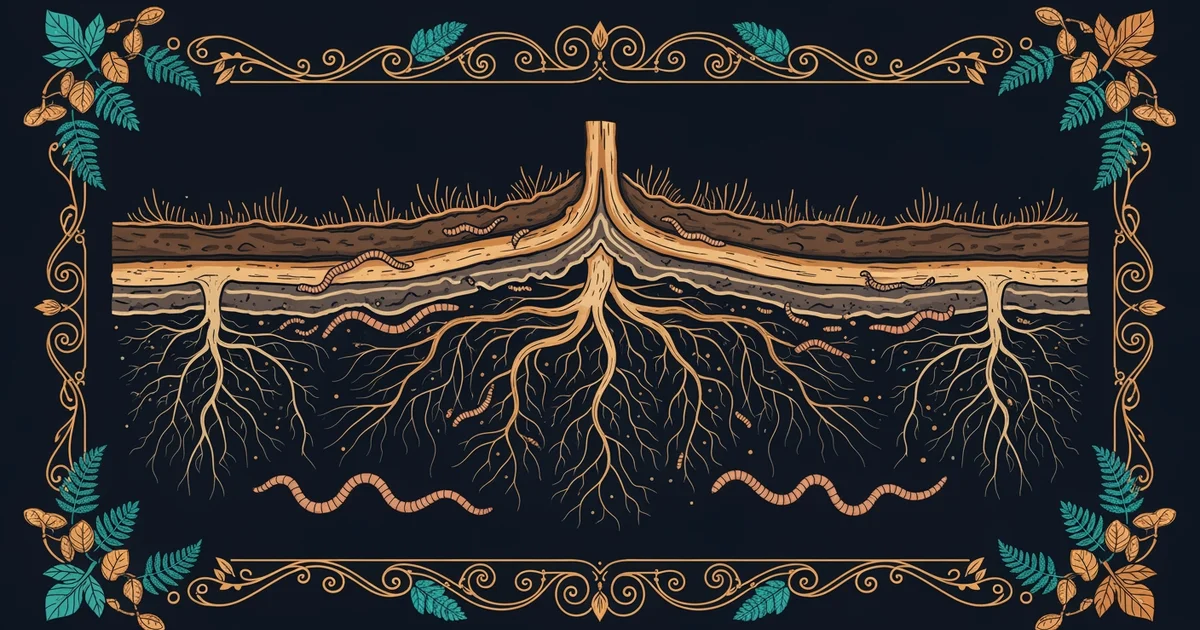
The Living Foundation of Soil
When we talk about farming, we often focus on the crops that appear above the ground. True health starts deep within the soil where tiny organisms work to build a strong foundation. This process is called regenerative agriculture because it focuses on healing the land instead of just extracting resources. Think of the soil like a bank account for your plants. If you keep taking money out without ever making a deposit, your balance will eventually hit zero. Farmers who use these methods act like wise investors who add resources back into the soil system daily. They plant cover crops to protect the dirt from wind and rain erosion. These plants act like a cozy blanket that keeps the earth warm and moist. By keeping the soil covered, farmers ensure that the tiny creatures living there stay active and healthy. This active life creates a cycle where nutrients move from the dirt into the plants we eat.
Key term: Regenerative agriculture — a farming approach that restores soil health and biodiversity to create a sustainable food system.
Principles of Natural Restoration
To understand how this system works, we must look at the core rules that guide these farmers. They avoid heavy chemicals that might hurt the delicate balance of life in the ground. Instead, they use natural ways to manage pests and keep the plants growing strong. The following list shows the main goals that guide these experts as they manage their land:
- Minimizing soil disturbance ensures that the complex networks of fungi remain intact and continue feeding plants.
- Keeping living roots in the ground throughout the year provides a steady food supply for beneficial microbes.
- Increasing plant diversity creates a wider range of nutrients that improve the flavor and quality of food.
- Integrating livestock allows animals to return natural fertilizer to the fields through their own movement and waste.
These practices create a resilient system that can handle harsh weather better than traditional, industrial farming methods. When the soil is full of organic matter, it acts like a giant sponge that holds water during droughts. This sponge effect means that crops stay hydrated even when the sky does not provide enough rain. By mimicking natural patterns, farmers turn their fields into self-sustaining ecosystems that produce better food for everyone.
| Practice | Primary Benefit | Result for Consumer |
|---|---|---|
| Cover Cropping | Prevents erosion | More stable soil health |
| Crop Diversity | Improves nutrients | Higher quality ingredients |
| Low Tillage | Protects fungi | Better plant resilience |
This table shows how specific actions on the farm lead to better outcomes for the final product. Every choice a farmer makes ripples through the food chain until it reaches your kitchen table. When you choose food grown this way, you are supporting a system that heals the planet. You are also getting ingredients that are packed with more flavor and better nutrition. This path will show you how to identify these foods and use them to create delicious, healthy meals. You will learn how your kitchen can become a place where culinary art meets environmental care. By the end of this journey, you will know how to transform your daily diet into a tool for global restoration.
Restorative farming builds a healthy, living soil base that produces nutrient-dense food while healing the earth for future generations.
This path provides the tools to connect your culinary creativity with the vital health of our global food systems.