
Tooling and Equipment
A chef fumbles with thick tongs while trying to place a delicate micro-green onto a sauce smear. The guest watches this struggle and the plate loses its sense of intentional beauty before the first bite. Precision in the kitchen requires more than just high-quality ingredients or creative vision during the plating process. Professional culinary success relies on using the right tools to execute small, complex movements with total grace. Mastery of these physical mechanics turns a standard dinner plate into a refined, artistic display of skill.
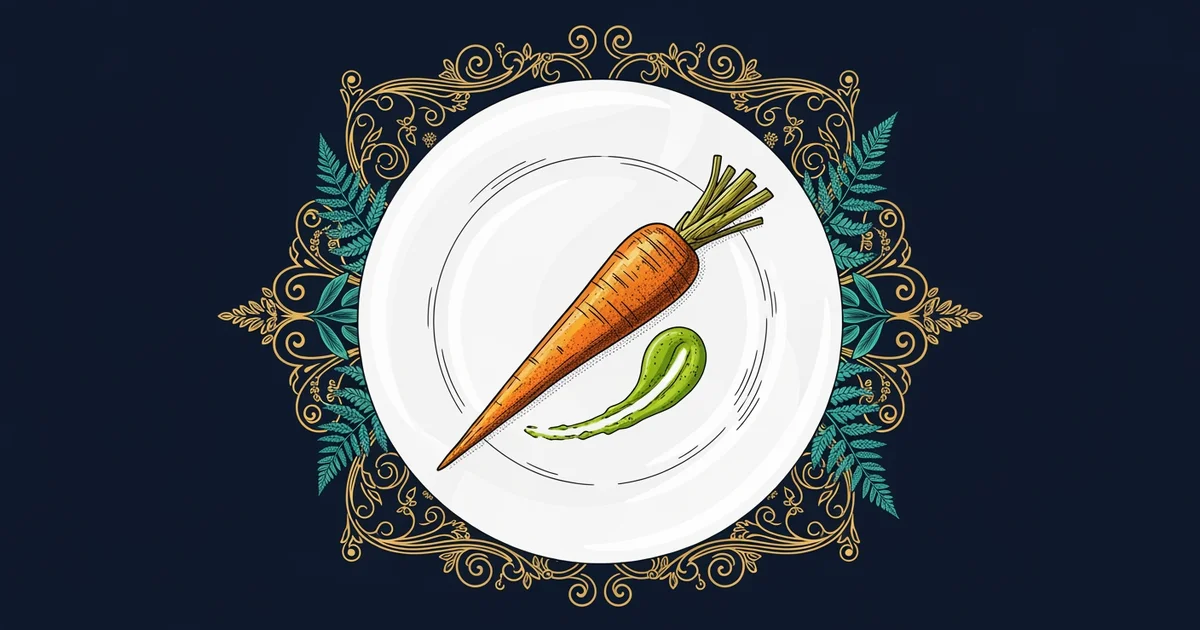
Precision Tools for Plating Accuracy
When a cook selects the proper equipment, they gain control over the microscopic details of a dish. Standard kitchen tongs often lack the sensitivity needed for fine garnish placement or delicate herb arrangement. Chefs use plating tweezers to grip items that are too small for fingers or bulky tools. These tools act as an extension of the human hand, allowing for steady placement in tight spaces. Think of these tweezers as a surgeon’s scalpel for the culinary world, where every millimeter of placement changes the visual balance of the finished meal. Without this level of control, the chef risks damaging fragile textures or placing items in ways that look accidental rather than calculated.
Learning to operate these tools requires consistent practice to build muscle memory for light, precise gripping. The goal is to apply just enough pressure to hold the item without crushing its structure or bruising the leaves. Many beginners apply too much force, which leads to damaged ingredients and frustrated plating attempts. You must practice picking up various items like small berries, flower petals, or thin vegetable ribbons until the movement feels natural. This physical training is essential because the kitchen environment is often fast-paced and high-pressure. If you cannot rely on your hands and tools to work in harmony, your plating speed will suffer, and the food may lose its ideal serving temperature.
Mechanical Principles of Tool Selection
Beyond basic tweezers, professional kitchens utilize a variety of specialized implements to achieve specific visual effects on the plate. Each tool serves a unique mechanical purpose that influences how the food is presented to the guest. Understanding the function of these tools helps a chef decide which one is best for a specific task. Consider the following common plating tools and their primary mechanical roles in the kitchen:
- Offset spatulas provide a flat surface with a bent handle to spread sauces or creams across a plate without letting the knuckles touch the food.
- Squeeze bottles allow for the controlled application of liquid sauces, enabling the chef to create precise dots, lines, or patterns that stay exactly where they are placed.
- Silicone brushes apply thin, even layers of oil or glaze to ingredients, ensuring a consistent sheen that improves the visual appeal of the finished product.
Using these tools correctly transforms the plate into a canvas where the chef controls every visual element with intent. When you master the mechanics of these items, you move away from haphazard arrangement and toward intentional design. This transition is similar to an investor choosing the right financial instruments to balance a portfolio, where each selection serves a specific goal for the final outcome. Just as a diverse portfolio manages risk and growth, a diverse toolkit manages the aesthetic and sensory impact of the meal. By selecting the correct tool for each task, you ensure that the physical execution matches your creative vision, resulting in a plate that looks as professional as it tastes.
Mastering the mechanical operation of specialized plating tools allows a chef to translate creative vision into precise and repeatable visual results on the plate.
Now that you understand the tools required for precision, how do current design trends influence the way we arrange these elements on the plate?