
Vessel Selection Logic
Imagine you are holding a delicate, warm soup bowl that feels too heavy or a crisp, cold salad served on a hot, flat dinner plate. These small mismatches create a sensory disconnect for your guests before they even take their first bite of food. Choosing the right vessel is not just about looks because it dictates how a diner interacts with their meal from start to finish. When the plate matches the dish, it elevates the entire experience by framing the food with intention and care.
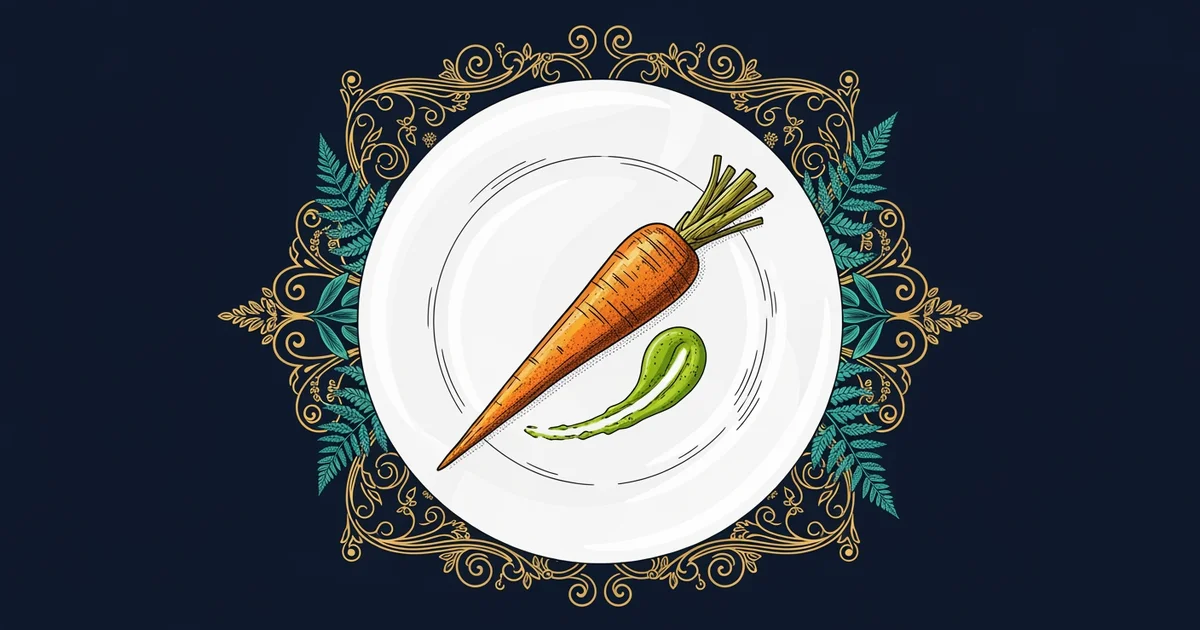
The Logic of Vessel Selection
Selecting the correct dish involves understanding the physical properties of your food and how they behave on different surfaces. You must consider the temperature, the texture, and the fluid content of your meal to ensure the vessel supports the eating process. Think of your plate as a stage for a performance where the bowl or platter provides the necessary structure for the actors to move. If you choose a shallow plate for a hearty, liquid-heavy stew, you risk a messy experience that makes the guest feel uncomfortable. Proper selection ensures the food remains at the right temperature while keeping the presentation clean and focused for the person eating.
Key term: Vessel — any container, dish, or plate used to hold and present food to a guest during a service.
When we look at the physical shape of dinnerware, we must consider how the edges interact with the contents of the dish. A wide rim provides a clean space for the guest to hold the plate without touching the food itself. This design choice is vital for hot dishes because it prevents the diner from burning their fingers while they enjoy the meal. You should view the plate as a frame for a painting where the white space guides the eye toward the center. If the frame is too small, the painting feels cramped, but if it is too large, the art loses its impact and focus.
Matching Dish Profiles to Shapes
To master this, you must categorize your food based on its physical state and then match it to the best available container. You can use the following guide to help you make these decisions during your food preparation process:
- Flat Platters: These are ideal for dry, solid items like grilled meats or roasted vegetables because they allow for easy slicing without the interference of high, curved walls.
- Deep Bowls: These provide the necessary containment for soups, stews, or saucy pasta dishes, ensuring that liquids do not spill over the sides during transport.
- Wide-Rimmed Plates: These offer a balance between surface area and containment, making them perfect for delicate salads or plated entrees that feature a small amount of sauce.
Using this logic, you can ensure that every meal you serve feels intentional and well-structured for the diner. The following table helps you match specific food types to their ideal vessel shape based on practical needs:
| Food Type | Best Vessel | Primary Reason |
|---|---|---|
| Thick Stew | Deep Bowl | Heat retention |
| Grilled Fish | Flat Plate | Ease of access |
| Fresh Salad | Wide Rim | Room to toss |
By following these guidelines, you turn a simple meal into a professional presentation that respects the nature of your ingredients. You should always prioritize the comfort of the guest over purely aesthetic choices that might make eating difficult. If the vessel makes the act of eating harder, the quality of the food will suffer in the eyes of the guest. Focus on creating a harmony between the vessel and the food to ensure the best possible outcome for your culinary work.
Selecting the right vessel is a functional decision that balances the physical needs of the food with the comfort of the person eating.
The next Station introduces Sauce Application Skills, which determines how liquid components interact with the chosen vessel.