
History of Plate Design
Imagine you are dining at a grand banquet where the food arrives on heavy, ornate metal platters. Each dish is served to the entire table at once, forcing you to choose quickly before the steam vanishes into the cold air. This historical style of service, often called service a la francaise, prioritized the display of wealth and abundance over the actual temperature or texture of the meal. Plate design was essentially nonexistent because individual portions did not exist in the way we understand them today. The food was the decoration, and the vessel was merely a stage for the host to show off their vast influence and deep pockets.
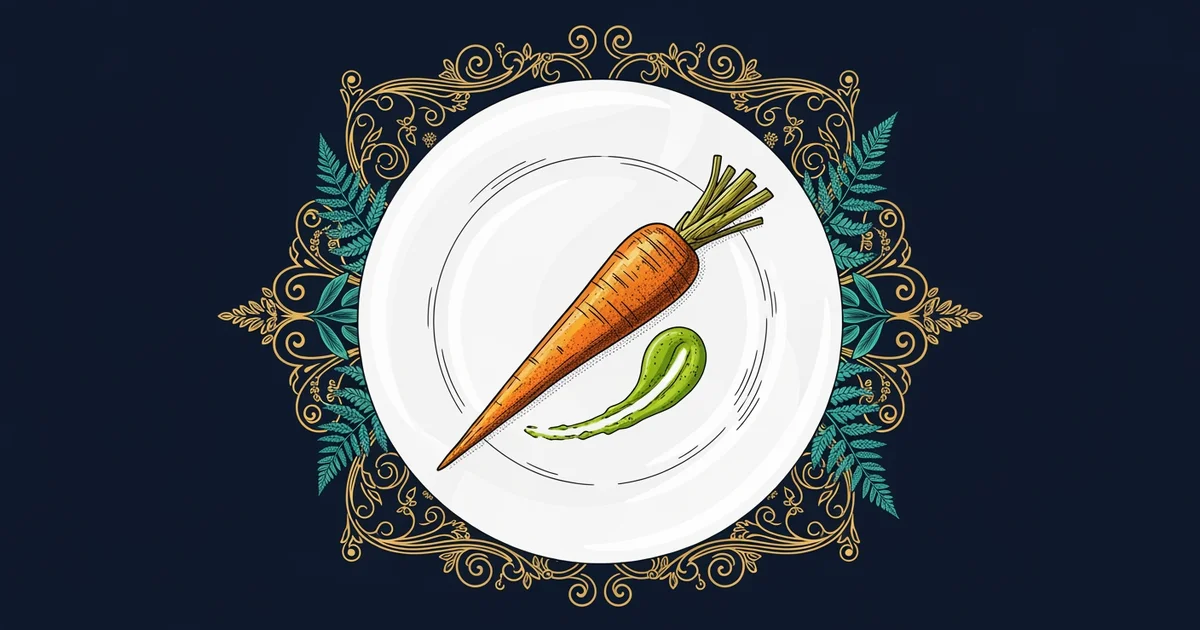
The Evolution of Plate Presentation
As time passed, culinary traditions shifted toward a more personal experience that focused on the individual diner. This transition moved away from communal platters toward individual portions, which granted chefs new freedom to arrange food with precision. The plate became a canvas rather than just a container, allowing the cook to consider balance, height, and negative space for the first time. Think of this shift like moving from a crowded public market where everything is piled high to a private art gallery where each piece has room to breathe. By controlling the exact placement of every component, chefs could finally guide the guest through a deliberate sensory journey.
Key term: Plate design — the intentional arrangement of food and garnishes on a dish to create a balanced visual experience.
Modern culinary aesthetics rely on this foundation of individual service to create memorable moments for guests. When chefs began to view the plate as a creative medium, they started applying principles of geometry and composition to their work. This evolution meant that the white space on a plate became just as important as the food itself. A crowded plate can feel chaotic and overwhelming, while a thoughtfully spaced arrangement invites the diner to explore each flavor with curiosity. This balance is the secret ingredient that turns a simple meal into a sophisticated piece of edible art.
Influences on Modern Culinary Style
Several key factors drove the transition from classical communal service to the refined, individual plating styles seen in contemporary kitchens. These shifts reflect a broader change in how we value both the quality of ingredients and the skill of the person preparing them. The following list highlights the primary drivers of this change:
- The rise of individual service allowed chefs to maintain the ideal serving temperature for every single guest at the table, ensuring that delicate textures remained crisp or creamy as intended by the recipe.
- The development of specialized ceramic and glass technology gave chefs access to a wider variety of shapes and colors, which helped them frame their culinary creations with greater artistic intent.
- The growing influence of global visual art movements encouraged chefs to experiment with asymmetry and minimalism, moving away from the heavy, symmetrical garnishes that defined the earlier classical eras of cooking.
These changes did not happen overnight, but they fundamentally altered the relationship between the cook and the guest. By shifting the focus from the quantity of food on the table to the quality of the visual presentation, the culinary world elevated the act of eating into a form of performance. This performance relies on the chef acting as both an architect and an artist, building structures with sauce and color that delight the eye before the first bite is even taken. Understanding this history helps us appreciate how much effort goes into making a plate look appealing today. The next time you sit down for a meal, consider how the layout of your food influences your mood and your appetite.
Visual design principles transform meals by treating the plate as a canvas that guides the guest through a deliberate and balanced sensory experience.
Now that we understand the history of plate design, let us explore how color theory can further enhance the visual impact of your culinary creations.