
Genomic Variation Analysis
When a researcher at the Broad Institute compares two human genomes, they often find millions of tiny differences that define our unique biological traits. These variations are not just random noise but are the primary drivers of health, disease, and individual responses to medicine. If you imagine the human genome as a vast library of instructional manuals, then Genomic Variation represents the specific typos, missing pages, or extra chapters that make each copy of the book unique. Understanding these differences allows scientists to move past a generic model of human biology and toward a personalized view of health. By using computational tools to scan these massive datasets, we can identify which specific changes lead to life-altering outcomes.
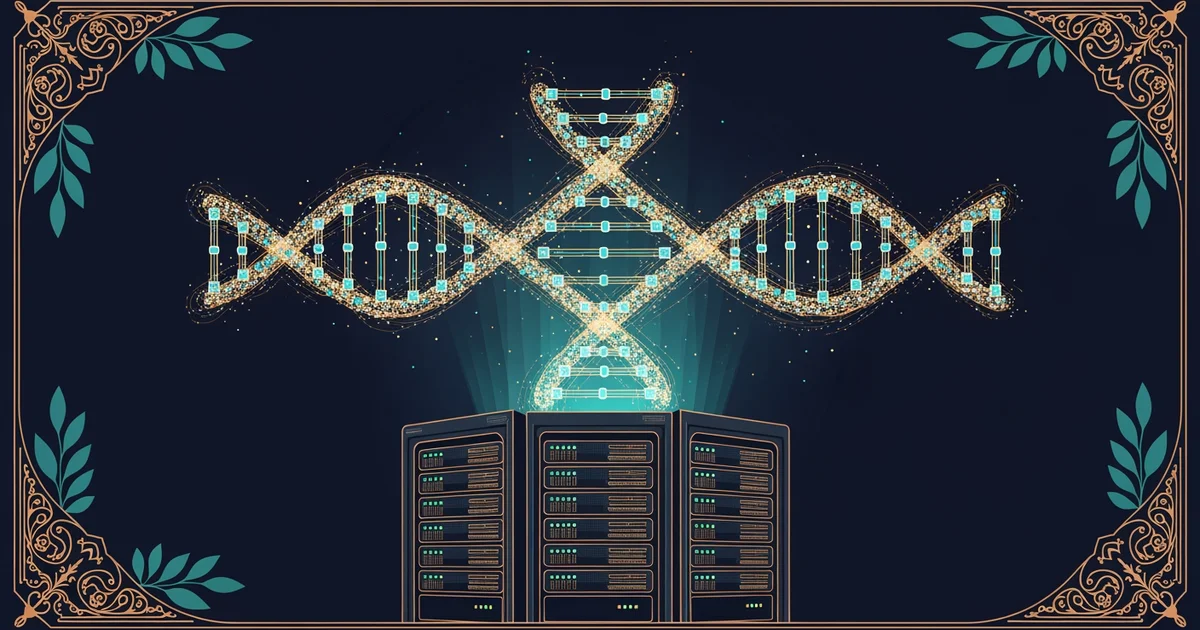
Computational Mapping of Genetic Differences
To identify these variations, computers must align individual genetic sequences against a standardized reference genome. This process is much like comparing a new, handwritten manuscript against a printed master copy to find every single character change. The most common form of variation is the Single Nucleotide Polymorphism, which occurs when a single base pair in the DNA sequence is replaced by another letter. Because a human genome contains three billion base pairs, manual inspection is impossible, making high-speed algorithms essential for success. These programs scan the data to flag where an individual deviates from the common sequence, allowing us to build a digital map of a person's unique genetic landscape.
Key term: Single Nucleotide Polymorphism — a common genetic variation where a single building block of DNA differs between individuals.
Beyond simple letter swaps, computers also look for larger structural changes that can have massive impacts on how our bodies function. These include deletions, where entire sections of the manual are missing, or insertions, where extra pages are added into the code. Computational tools categorize these variations by their likely impact, helping researchers determine if a change is harmless or potentially linked to a specific condition. This systematic approach is the core of modern precision medicine, as it allows doctors to predict health risks before symptoms ever appear. Without these automated systems, our ability to interpret the vast ocean of genetic data would remain completely stalled.
Analyzing Variation Impacts
Once variations are identified, the next step involves determining how these changes affect the actual proteins our bodies produce. We use specialized software to simulate how a genetic typo might alter the shape of a protein, which is similar to how an architect checks if a building plan change will make the roof collapse. If a variation occurs in a region of the genome that controls protein production, the result could be a complete loss of function or a dangerous overproduction of a specific substance. By ranking these variations based on their potential danger, computers help researchers prioritize which genetic markers deserve the most clinical attention and further study.
| Variation Type | Description | Computational Impact |
|---|---|---|
| Point Mutation | Single letter swap | High frequency, low impact |
| Deletion | Missing sequence | Rare, high impact |
| Insertion | Added sequence | Rare, high impact |
| Translocation | Moved sequence | Complex, very high impact |
This table helps us organize the massive influx of data that sequencing machines produce every single day. By categorizing these changes, we can quickly filter out the billions of harmless variations that exist in every person. This leaves us with a manageable list of candidates that might explain why one person reacts differently to a medication than another. This process is a direct application of the data filtering techniques we explored back in Station 11, where we learned to isolate relevant signals from noisy datasets to improve the accuracy of our simulations.
Computational tools enable us to translate raw genetic sequences into actionable insights by identifying and ranking the specific variations that define individual health outcomes.
But this model of comparing single genomes breaks down when we try to understand how these variations interact across entire populations to drive long-term evolutionary shifts.