
Capstone Infrastructure Project
Building a digital skyscraper requires more than just raw power; it demands a blueprint that balances speed, cost, and reliability. Imagine you are managing a global shipping company that must deliver packages to millions of people simultaneously without losing a single item during the process. This is the core challenge engineers face when they design modern cloud systems to keep the internet running smoothly.
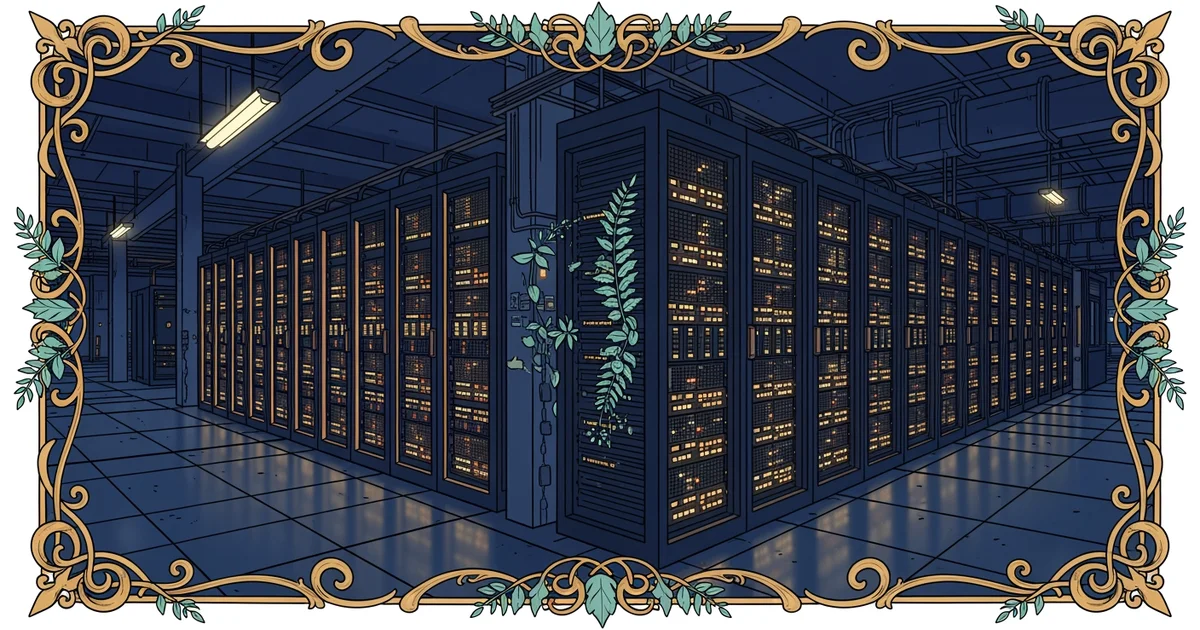
Designing for Scalability and Reliability
To build a robust infrastructure, you must first understand how to distribute workloads across multiple physical locations. Load balancing acts like a smart traffic controller that directs incoming user requests to the least busy server in your network. Without this, one server might crash from too much traffic while others sit idle and waste valuable energy. You also need to consider redundancy, which means keeping backup copies of your data in separate geographic zones. If a natural disaster strikes one data center, your application remains online because another zone picks up the slack immediately. Think of this like having a backup generator for your home; the lights stay on even when the main power grid fails because you have a secondary source ready to engage.
Effective cloud architecture relies on three main pillars that ensure your applications remain stable and responsive for every single user:
- Horizontal scaling allows you to add more servers to your network as demand grows, preventing slowdowns during busy peak hours.
- Automated monitoring provides real-time alerts about system health, helping engineers fix small errors before they become major outages for users.
- Data sharding splits large databases into smaller, manageable chunks, which makes searching for specific information much faster for the end user.
Integrating Distributed System Components
Once you have established your core servers, you must ensure that different parts of your software talk to each other seamlessly. This is where the concept of microservices becomes vital for complex projects. Instead of building one giant, fragile program, you divide your application into small, independent pieces that perform specific tasks. If one piece needs an update, you can change it without forcing the entire system to shut down for maintenance. These components communicate through standardized interfaces, which act like a universal language that every part of the system understands perfectly.
This diagram shows how a load balancer prevents any single server from becoming overwhelmed by user traffic. By splitting the load, the system maintains a consistent speed that users expect from modern web applications. This architecture directly answers the foundation question of how the internet stores and processes data without crashing. It uses a combination of distributed storage, smart traffic routing, and constant monitoring to handle massive amounts of digital information every single second. Earlier stations explored how virtualization creates virtual machines, and this project synthesizes that by showing how those machines act as building blocks for a global network. We also saw how future trends like edge computing will push these servers closer to the user to reduce lag even further. The tension remains between centralizing control for security and decentralizing for speed, a problem engineers are still solving today.
Robust cloud architecture depends on distributing workloads across redundant systems to ensure that digital services remain available and responsive under heavy user demand.
Mastering these design principles provides the foundational knowledge needed to build and manage any scalable software platform in the professional world.