
History of Distributed Computing
Imagine trying to build a massive library by hand while your only tools are individual sticky notes. You would struggle to organize the information because the sheer volume of data would quickly overwhelm your physical workspace. Early computing faced this exact problem when engineers attempted to solve complex math problems using single, isolated machines. These massive systems occupied entire rooms and required constant manual adjustments to complete even the simplest calculations. Because these early computers could not talk to each other, they remained trapped in their own physical shells. This limitation meant that progress was slow and inefficient for any project requiring large scale data analysis.
The Evolution of Connected Computing
To overcome these physical limitations, engineers began linking independent computers together to share their processing power. This shift created the first version of distributed computing, where multiple machines work as a single unit to finish a task. Think of this like a group of people moving furniture into a new house. One person working alone would take all day to move every heavy box. If ten people work together, they can finish the entire job in just one hour. By splitting the workload across many different systems, the network could handle much larger problems than any single computer could manage alone.
Key term: Distributed computing — a system where multiple independent computers work together to complete a single task by sharing resources and processing power.
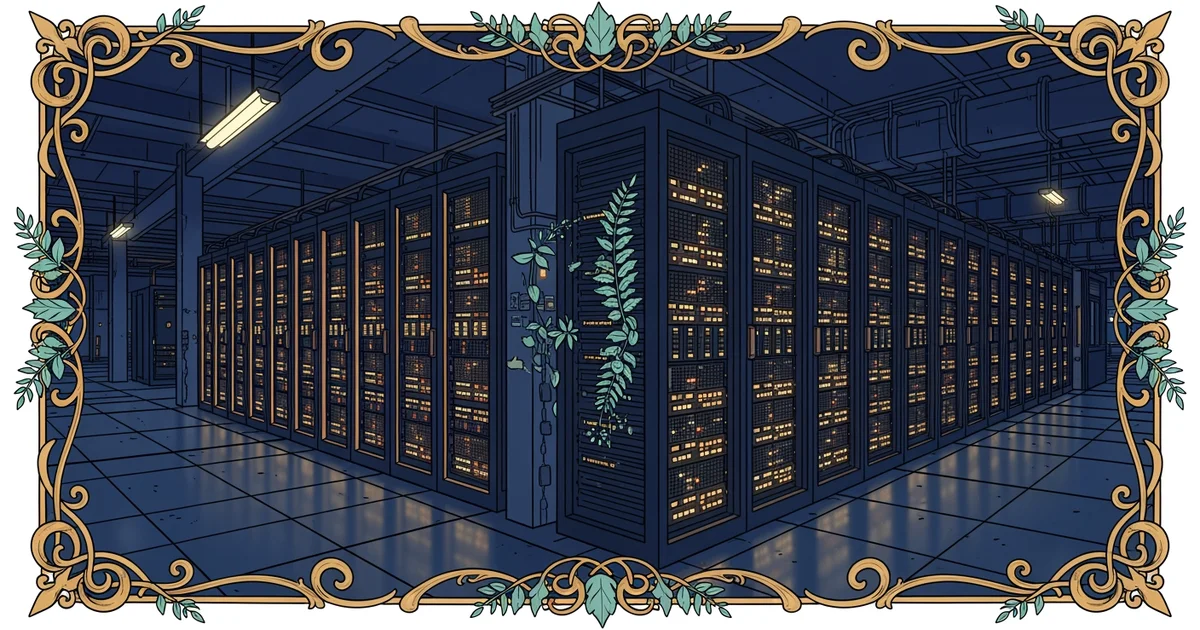
Early remote systems required massive physical hardware because memory and storage were incredibly expensive and bulky. Each individual component had to be housed in a giant metal cabinet to keep it cool and powered. These machines used vacuum tubes that generated intense heat and frequently burned out during long operations. Technicians had to physically replace these tubes by hand to keep the network running. Because the hardware was so fragile and large, companies needed dedicated buildings just to house their basic server infrastructure.
Managing Network Resources
As the need for more power grew, engineers developed ways to coordinate these large networks more effectively. They realized that centralized control was necessary to prevent different computers from working on the same task twice. This led to the creation of resource management protocols that tracked which machine was free and which was busy. These protocols acted like a traffic controller at a busy airport. They ensured that data flowed smoothly between machines without causing a digital collision. This coordination allowed networks to scale up without crashing under the weight of their own complexity.
| Hardware Type | Primary Function | Growth Limitation |
|---|---|---|
| Vacuum Tubes | Logic Processing | Excessive Heat |
| Magnetic Tape | Long-term Storage | Slow Data Access |
| Mainframe Hub | System Control | Physical Space |
These early systems laid the foundation for modern cloud infrastructure by proving that distance did not have to stop collaboration. When engineers connected these mainframes, they discovered that geographical location mattered less than the speed of the connection between them. This insight changed how businesses viewed their digital assets. They no longer needed to keep all their computing power in one basement. Instead, they could spread their work across different locations to improve reliability and speed. This transition from isolated hardware to interconnected networks remains the core principle behind how our modern internet functions today.
Distributed computing evolved by connecting isolated, massive machines into unified networks that share workloads to solve complex problems.
Next, we will explore how virtualization allows us to run multiple digital systems on a single piece of physical hardware.