
Network Topology Basics
Imagine your home internet router as a tiny post office that manages every single letter sent to your devices. Without a clear map of the neighborhood, the mail carrier would never find the right house to deliver your digital packages.
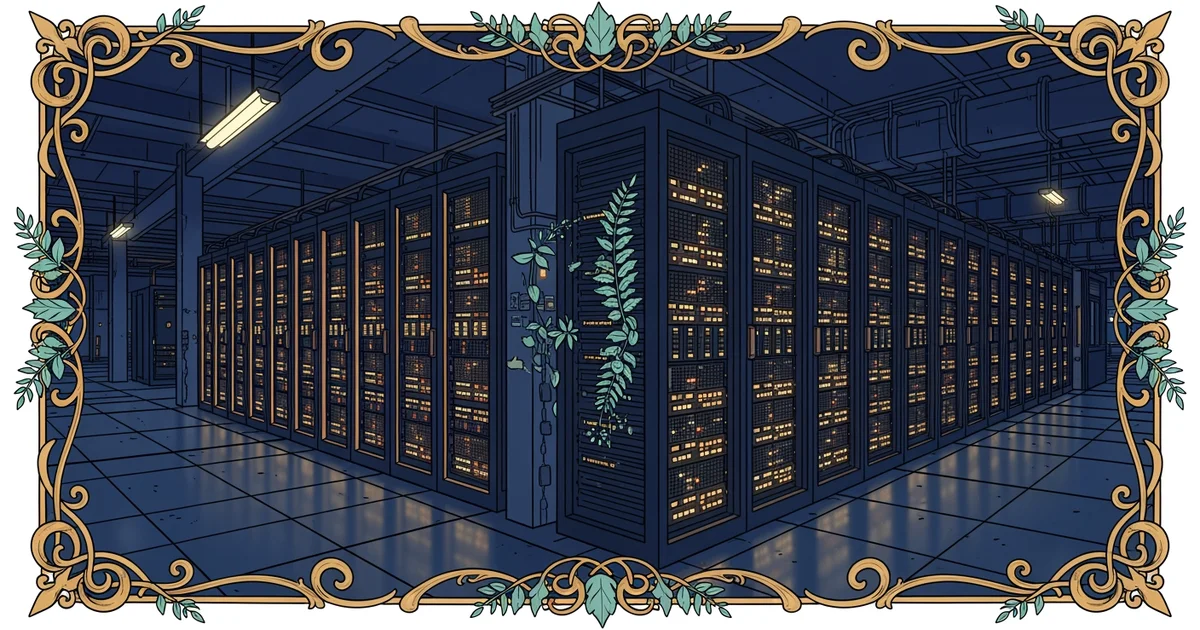
Understanding Global Connection Pathways
When you access the internet, your data travels across a massive web known as network topology. This term describes the specific physical or logical layout of how computers connect to one another. Think of this like a global road system where data packets are cars driving toward specific destinations. If the roads are laid out in a straight line, traffic flows differently than in a circular loop. Engineers design these layouts to ensure that information reaches you quickly without any major traffic jams. By choosing the right structure, companies can minimize the time it takes for a request to travel across the globe. This physical arrangement serves as the skeleton for every digital interaction you perform daily.
Key term: Network topology — the geometric arrangement of links and nodes that define how data travels through a computer network.
To visualize how these pathways function, consider the analogy of a local grocery delivery service. If the delivery driver must visit every house in a single, long line, the last person waits a very long time for their food. However, if the driver uses a central hub to reach several houses at once, everyone gets their groceries much faster. This hub-and-spoke model is a common way to organize data centers across the internet. It allows the main server to send information to many smaller points without overwhelming the entire system. When you load a website, your computer acts as one of these houses waiting for a delivery. The network topology ensures that the path from the server to your screen remains efficient and reliable.
Mapping Data Through Fiber Networks
Once the layout is established, the actual data must move across physical cables buried deep beneath the ocean. These fiber optics use pulses of light to carry vast amounts of information at incredible speeds across continents. Because light moves faster than electricity, these cables form the backbone of modern global communication. Without this high-speed infrastructure, the internet would feel sluggish and unresponsive for most users. Engineers must carefully plan the placement of these cables to avoid natural disasters or physical damage to the lines. A well-designed network anticipates potential breaks by creating backup paths for data to follow if one line fails.
| Topology Type | Primary Structure | Best Use Case |
|---|---|---|
| Star | Central hub links | Office networks |
| Mesh | Every node connects | High reliability |
| Ring | Circular path flow | Token passing |
Different layouts offer unique benefits for the speed and safety of your digital data transfers:
- The star topology creates a central control point that simplifies management, but it risks failure if the center node stops working.
- The mesh topology provides redundant paths for data, which ensures the network stays active even if one specific cable becomes damaged or disconnected.
- The bus topology connects all devices to a single backbone cable, which saves money on installation but can become very slow as more devices join.
These structures determine how your data packets navigate the complex maze of the internet. By understanding these patterns, we can see why some connections feel instant while others seem to lag behind. The physical path your data takes is just as important as the speed of your processor. Every click you make triggers a complex journey across these carefully mapped global networks. This infrastructure remains the hidden foundation for all the cloud services we use today. We rely on these pathways to keep our digital lives moving forward without constant interruption or total system failure.
Network topology defines the physical and logical blueprint that allows data to travel efficiently across global infrastructure.
The next Station introduces storage architecture patterns, which determines how data is saved once it arrives at its destination.