
Defining Cloud Infrastructure Basics
Imagine your phone holds thousands of photos that magically appear whenever you want to see them. You might wonder how these files stay safe when your phone is turned off or broken.
The Physical Reality of Digital Storage
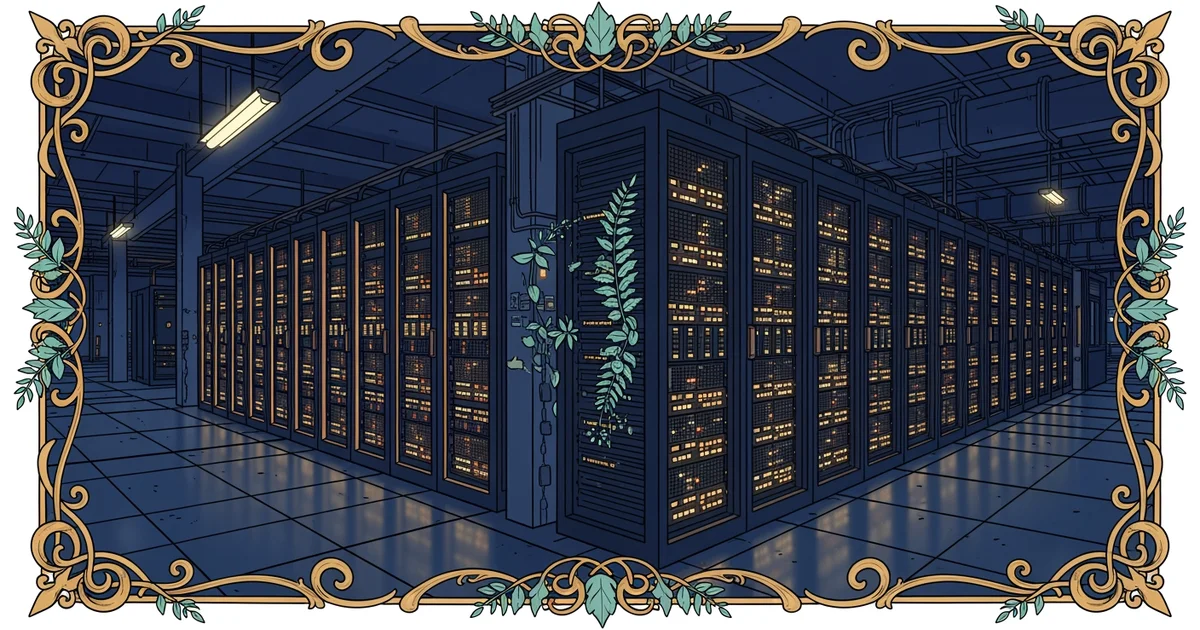
Most people think the internet floats in the air like an invisible cloud of magic dust. In reality, the internet relies on massive buildings filled with rows of powerful computer hardware. These buildings are known as data centers and they act as the backbone for everything online. Each center houses thousands of servers that act like high-speed filing cabinets for all our digital information. When you save a file, it travels through wires to these machines where it stays protected. These centers require constant cooling and electricity to keep the machines running without any unexpected pauses.
Key term: Data center — a large physical facility designed to house computer systems and related components for storing and processing data.
Think of a data center like a massive library that never closes for the night shift. Instead of books on shelves, you have rows of metal racks filled with humming computer servers. Just as a librarian organizes books so they are easy to find, these servers organize data. They use complex software to track where every piece of your information lives on the disk. If one server breaks, the system moves your data to another machine to prevent loss. This redundancy ensures that your digital life remains accessible even if hardware issues occur inside the building.
Core Components of Cloud Infrastructure
To keep the internet running, these facilities rely on three main pillars of hardware technology. You can imagine these components working together like the engine, wheels, and fuel system of a car. Without all three parts working in harmony, the vehicle cannot move forward or reach its destination. The infrastructure must be balanced to ensure that data moves quickly across the globe. We can break down these physical elements into specific roles that help maintain our daily digital connections.
| Component | Primary Function | Why It Matters |
|---|---|---|
| Computing | Processing logic | Runs the apps |
| Networking | Moving packets | Connects the web |
| Storage | Saving files | Keeps your data |
- Computing power acts as the brain that performs all the math needed for your apps. Without these processors, your digital commands would never turn into actual results on your screen.
- Networking equipment serves as the highway system that carries your data across the world. It ensures that information gets from your device to the server without getting lost.
- Storage drives act as the long-term memory banks that hold your files until you need them. They keep your photos and documents safe even after you close your apps.
These components work around the clock to manage the massive flow of information from users. Every time you click a button, these systems process the request in milliseconds. They check your permissions and pull the data from the correct server in the building. This process happens so fast that it feels like the data lives inside your own device. By splitting the work between these physical parts, the system avoids crashing under heavy pressure. This stable foundation allows millions of people to use the internet at the same time every day. You will learn how these pieces fit into a global network by the end of this path.
Cloud infrastructure relies on massive physical buildings called data centers that house the servers, networking gear, and storage drives needed to keep digital information accessible and safe.
This path will provide you with a deep understanding of how global networks connect these systems to power our modern digital world.