
Virtual Team Culture
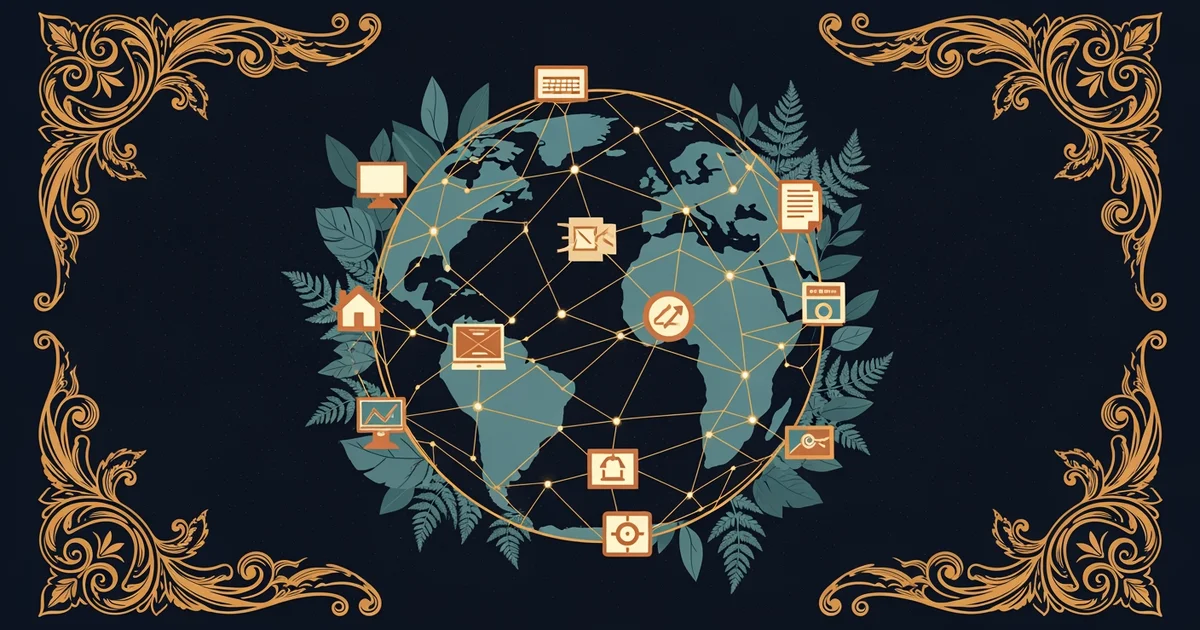
Imagine a team trying to play a complex symphony while sitting in separate cities across the globe. Without a conductor to set the tempo, the music quickly turns into a chaotic mess of overlapping sounds and missed beats. Building a strong virtual team culture requires that same intentional focus on harmony. You must create a shared rhythm that connects people who never share the same physical office space. This effort transforms a group of isolated workers into a unified force that moves together toward common goals.
The Foundation of Digital Connection
Creating an inclusive environment starts with how you design your daily interactions within the digital workspace. When you work from home, you lose the casual chats that happen near the coffee machine or during lunch breaks. You must replace these organic moments with structured rituals that foster genuine human connections among your peers. These rituals act like the social glue that holds a distributed organization together during periods of high stress. When team members feel seen and heard, they are much more likely to contribute creative ideas and support one another.
Key term: Virtual team culture — the shared set of norms, values, and communication habits that guide how distributed employees interact to achieve collective results.
Building this culture requires you to be deliberate about how you share information and celebrate small wins. You should establish clear expectations regarding how often you communicate and which tools you use for specific tasks. Consistency in these habits helps everyone feel secure in their roles and reduces the anxiety that comes with working in isolation. A strong culture acts as a compass, guiding team members toward the right behaviors even when they are working alone.
Strategies for Building Team Bonds
Facilitating online meetings that build strong team bonds requires shifting your focus from just tasks to people. You can use the following methods to ensure your virtual gatherings remain productive and inclusive for everyone:
- Start every meeting with a quick personal check-in that allows people to share their current mood or a highlight from their day. This practice humanizes the digital space and reminds everyone that they are working with real people who have lives outside of their screens.
- Rotate the responsibility of leading meetings to ensure that every voice gets a chance to be heard and valued. This democratic approach prevents one person from dominating the conversation and encourages quieter team members to step up and share their unique perspectives.
- Schedule dedicated time for non-work conversations where team members can discuss hobbies or interests that fall outside of their professional responsibilities. These moments help build the trust that is necessary for effective problem solving and collaboration during high-pressure projects.
These activities function like a digital campfire where people gather to share stories and build the rapport needed for success. Just as a campfire provides warmth and light in the dark, these interactions provide clarity and comfort in a remote setting. When you invest time in these bonds, you create a safety net that protects the team from the inevitable friction of long-distance collaboration.
| Meeting Type | Primary Goal | Best Practice |
|---|---|---|
| Weekly Sync | Alignment | Keep it short |
| Brainstorming | Innovation | Use visual aids |
| Social Hour | Connection | No work talk |
This table illustrates how different meeting formats serve specific purposes in maintaining a healthy team dynamic. By choosing the right format for the right moment, you ensure that your team remains focused while staying connected. Balancing these different needs is the secret to sustaining high performance over the long term. You must regularly evaluate if your current meeting structure still supports your team goals as the project evolves. Flexibility in your approach allows you to adapt to the changing needs of your global colleagues.
Building a strong virtual culture requires replacing physical office interactions with intentional rituals that foster trust, inclusion, and consistent communication across your global team.
The next Station introduces digital collaboration tools, which determine how virtual team culture translates into daily productivity and project success.