
Digital Communication Basics
Imagine your team is a complex watch where every gear must turn at the perfect time. If one gear spins too fast or stops moving, the whole mechanism fails to tell the correct time for everyone involved.
Mastering Virtual Interaction Norms
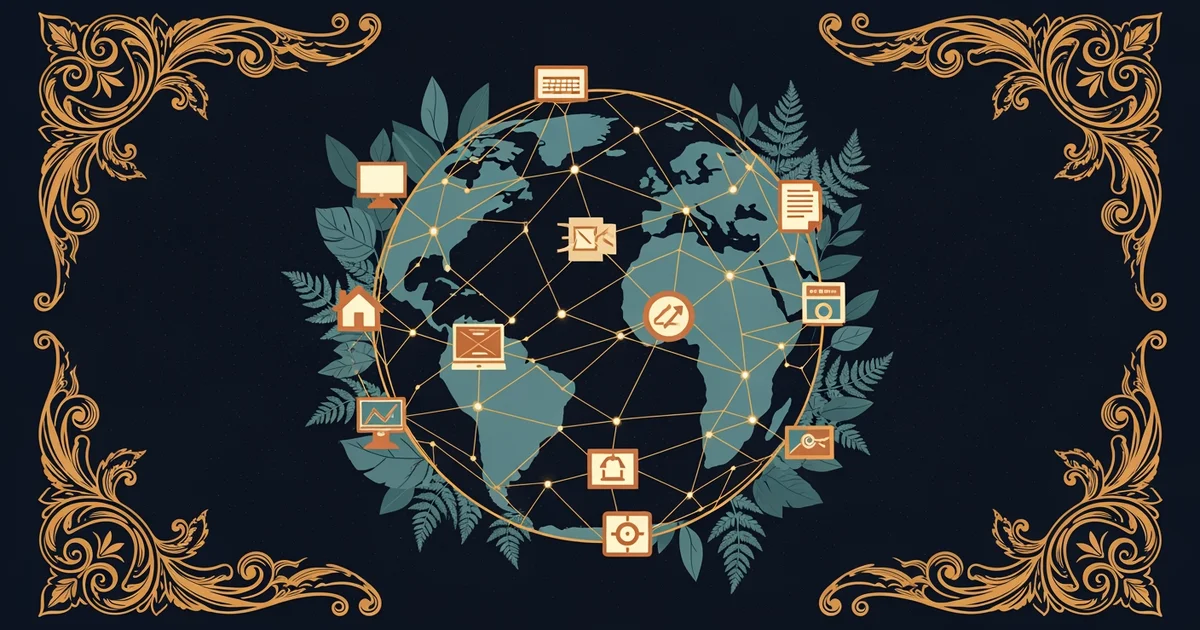
Digital communication serves as the primary engine for modern remote work success across global boundaries. When you send a message, you must consider the recipient's time zone and their current workload. Effective teams prioritize clarity over speed to avoid the common pitfalls of digital misunderstandings. Think of your inbox like a busy highway where every message acts as a vehicle requiring space to travel. If you flood the road with too many cars, you create a traffic jam that slows down all essential business operations. By choosing your words with precision, you ensure that your message reaches its destination without causing unnecessary delays for your peers.
Key term: Asynchronous communication — a method of interaction where participants do not need to be online at the same time to exchange information.
Professional etiquette requires that you provide enough context for others to act without needing further clarification. A vague message often forces the recipient to spend extra energy guessing your actual intent or needs. You should always include clear deadlines and specific outcomes to keep the project moving forward smoothly. This practice respects the time of your colleagues while ensuring that the work output remains high quality. When you provide clear instructions, you reduce the need for back-and-forth messages that clutter digital workspaces and drain team productivity.
Structuring Professional Digital Workflows
Successful remote workers categorize their messages based on urgency and the level of detail required for a task. This systematic approach helps teams manage their limited time while maintaining strong connections across different physical locations. You can use the following table to decide which platform best suits your specific communication needs for any given project requirement.
| Platform Type | Best Use Case | Expected Response Time |
|---|---|---|
| Instant Messaging | Quick questions | Within one hour |
| Project Management | Task updates | Within one day |
| Email Correspondence | Formal requests | Within two days |
Using these tools correctly ensures that your team stays aligned without feeling overwhelmed by constant notifications throughout their day. If you use the wrong tool for a complex task, you risk losing important data in the noise of daily chat.
When you communicate, follow these basic principles to maintain a professional standard in all your remote interactions:
- Be concise and direct by removing unnecessary filler words that distract from the main point of your message — this allows the reader to grasp the core request quickly.
- Use descriptive subject lines to help your team members prioritize their tasks based on the urgency of the information you have provided — this saves them from reading irrelevant threads.
- Provide necessary attachments or links immediately so the recipient has all the tools they need to complete the task without asking you for more information.
Applying these standards creates a culture of trust where every team member feels supported in their daily work. When you master these basics, you contribute to a more efficient and connected global workforce that thrives on clear and intentional interactions.
Effective digital communication relies on providing clear context and choosing the right platform to respect the time of your global team members.
Now that we have established how to communicate clearly, we will explore the essential strategies for managing your own productivity in a remote environment.