
The Evolution of Remote Work
Imagine you are trying to finish a group project while your teammates live in different time zones. You cannot simply walk over to their desks to ask a quick question about the next step. This new reality forces us to change how we share ideas and manage our daily tasks. We are moving away from traditional office settings toward a model that relies on digital tools and trust. This shift is not just about changing where we work, but how we define productivity itself.
The Shift Toward Digital Flexibility
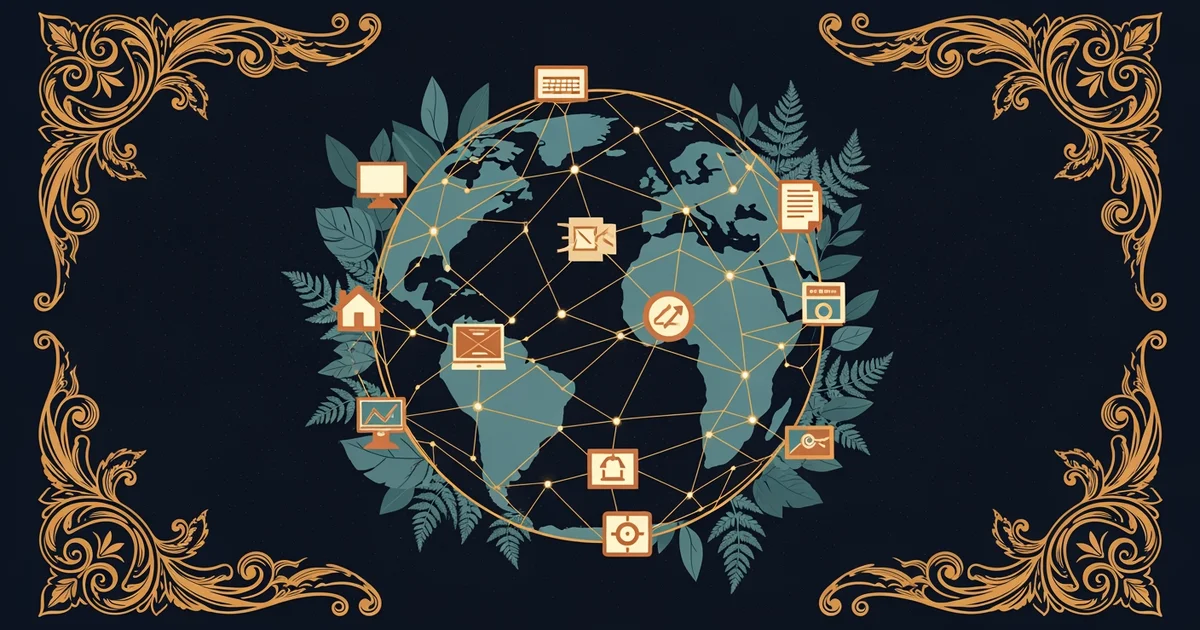
Modern work environments have moved from physical desks to virtual spaces that exist on our screens. In the past, companies required employees to gather in one central building to ensure everyone was working. This model assumed that physical presence was the only way to guarantee high levels of output. Today, we understand that results matter more than the number of hours spent sitting in a specific chair. We now use software to bridge the gap between team members who are thousands of miles apart.
Key term: Remote work — a professional arrangement where employees perform their job duties from locations outside of a traditional corporate office.
This transition resembles a move from a local library to a vast, global internet network. In a library, you are limited to the books on the shelves in front of you. When you move to the internet, you have access to information from every corner of the world instantly. Similarly, remote work allows companies to hire the best talent regardless of their physical home address. This flexibility creates a more diverse workforce that brings different perspectives to every single project we tackle.
Managing Teams Across Distances
Building a career in this new era requires us to master different skills than those used in offices. We must become better at writing down our thoughts clearly so that others can understand them later. Because we cannot rely on quick chats in the hallway, we use digital platforms to keep everyone updated. This change requires a high level of discipline and a strong commitment to keeping our teammates informed at all times.
| Feature | Traditional Office | Remote Environment |
|---|---|---|
| Location | Central building | Anywhere with Wi-Fi |
| Communication | Face to face | Digital messages |
| Schedule | Fixed hours | Flexible blocks |
Success in a remote setting depends on how well we communicate our progress to the rest of the team. We must proactively share updates so that nobody feels left out of the loop during the day. Consider the following ways we maintain our connections without being in the same room:
- We use shared project boards to track tasks so everyone knows who is doing what work.
- We schedule regular video meetings to discuss goals and solve problems that require more nuance.
- We document our processes in digital handbooks that are available for the whole team to read.
By focusing on these habits, we create a system that works even when team members are sleeping. This approach allows us to stay productive while maintaining a healthy balance between our professional and personal lives.
True flexibility in a professional career comes from mastering digital tools that allow us to collaborate effectively across any physical distance.
By the end of this path, you will have the skills to build a successful career and lead global teams with confidence and clarity.