
Framing Effect Dynamics
Imagine you see a package of ground beef labeled as eighty percent lean. You feel good about that purchase because the label highlights the high quality of the product. Now imagine that same package is labeled as twenty percent fat instead of eighty percent lean. You likely feel less excited about buying that meat even though the product is identical. This shift in your reaction happens because of the framing effect, which changes how you perceive value based on how information is presented to you. When businesses choose their words, they are not just describing a product, they are actively shaping your emotional response to it.
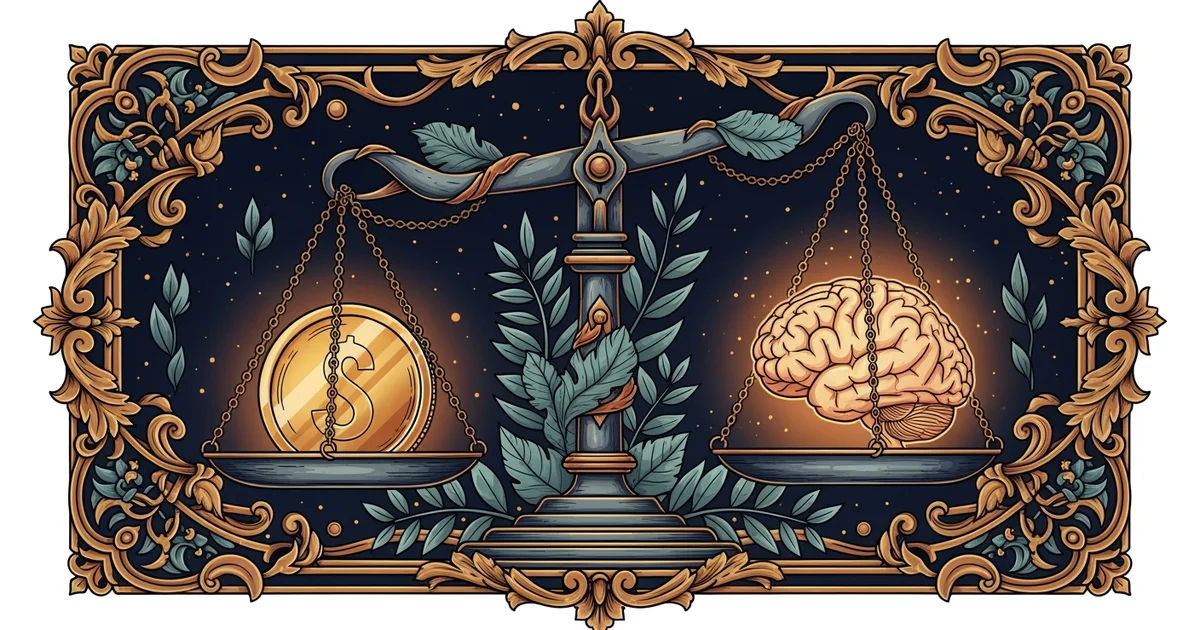
The Mechanics of Perception
When you encounter new information, your brain does not process every detail with perfect logic. Instead, your mind relies on shortcuts to make quick decisions about what is good or bad for you. The framing effect exploits these mental shortcuts by highlighting specific aspects of a choice to influence your final judgment. If a store highlights the money you save during a sale, you focus on the gain rather than the cost. This is why a discount of ten dollars feels better than a price reduction of ten percent. Even when the numbers are mathematically equal, your brain processes the gain differently based on the frame.
Consider how a company might describe a new subscription service to potential customers. They could say the service costs one dollar per day, or they could say it costs thirty dollars per month. Most people find the daily cost much easier to swallow because it seems smaller and less significant than a monthly bill. The business is not changing the total price, but they are changing the frame to make the cost seem more manageable. This strategy works because your brain struggles to compare large, abstract totals against small, daily habits.
Key term: Framing effect — a cognitive bias where people decide on options based on whether the choices are presented with positive or negative connotations.
Strategic Presentation of Value
To master the art of framing, you must understand that people are naturally loss-averse, meaning they fear losing something more than they value gaining something of equal worth. If you frame a message around potential losses, you can create a sense of urgency that motivates immediate action. For instance, an insurance company might tell you that you will lose thousands of dollars if you do not have coverage. This approach is far more effective than telling you that you will save a small amount of money by signing up today. By focusing on what the person stands to lose, you trigger a protective instinct that drives them to make a choice.
Businesses often use specific techniques to ensure their message lands exactly as they intend for the target audience. You can see these tactics in how products are displayed or how sales are worded in stores:
- Bundling items together forces a comparison between the total package price and the individual costs, which makes the bundle seem like a much better deal for the consumer.
- Highlighting the most popular choice among other customers uses social proof to frame that option as the safest and most reliable path for a new buyer.
- Using limited time frames creates a sense of scarcity, which makes the product feel more valuable because it might not be available to purchase later.
These methods are not about lying to the customer, but rather about guiding their focus toward the most appealing aspects of an offer. When you understand these mechanics, you can see how your own choices are being influenced by the way information is presented to you every single day.
The framing effect demonstrates that the way information is presented often carries more weight in decision-making than the actual facts themselves.
But what does it look like when these techniques are applied to large-scale marketing and consumerism?