
Traffic Management Basics
Imagine you are driving on a busy highway where every vehicle moves at different speeds. Without lane markers or traffic lights, accidents would happen constantly because no one knows the rules. Space travel between the Earth and the Moon faces this exact problem as more satellites and ships enter the void. We must create a system to keep everyone safe while they move through the vast cislunar space.
Establishing Rules for Orbital Paths
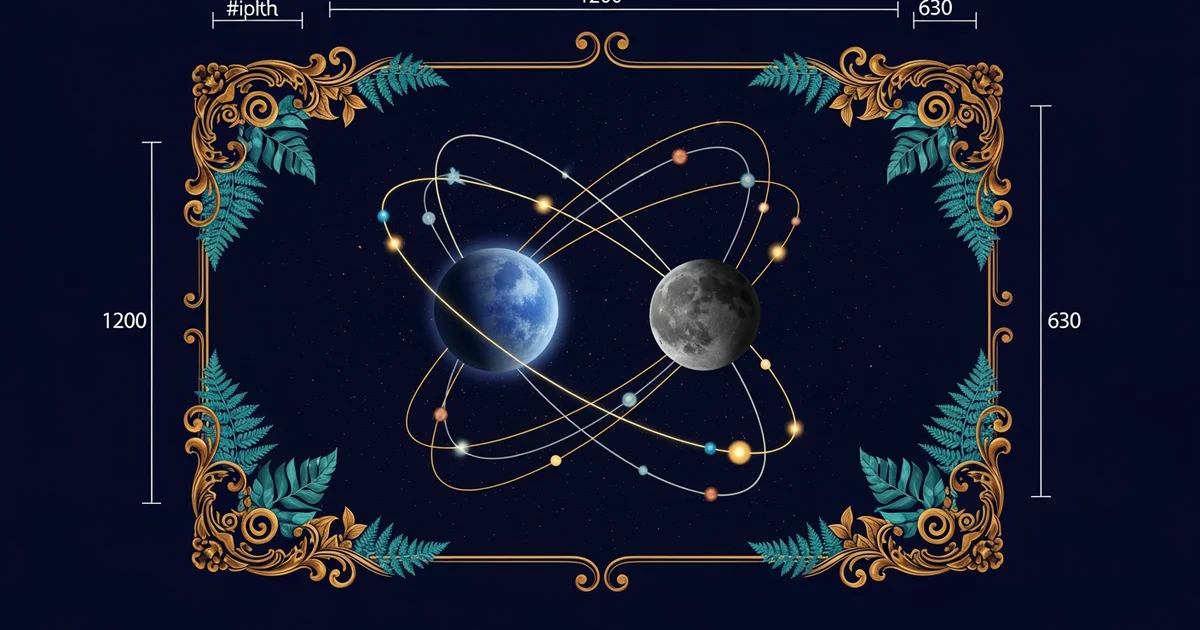
To keep objects moving safely, we use the concept of orbital slots to assign specific paths to different craft. Think of these slots like reserved parking spaces in a crowded city center during a festival. When a satellite or ship is assigned a slot, it must stay within that defined path to avoid hitting other objects. By keeping craft in these pre-planned lanes, we reduce the chance of high-speed collisions in the dark. This method requires careful planning before any launch occurs because changing lanes in space is very difficult. Engineers calculate the exact path of every mission to ensure no two objects occupy the same space at the same time. If every operator follows these assigned paths, the entire region remains organized and predictable for all users.
Key term: Orbital slots — these are specific, pre-determined paths in space that keep moving objects separated to prevent dangerous collisions.
When we manage these paths, we use specific data points to track every single object. We monitor their speed and direction using ground-based radar and sensors placed in orbit around the planet. By collecting this data, we can predict where an object will be in the future with great accuracy. This predictive power allows us to see potential problems days before they actually happen. If a collision looks possible, we send commands to the craft to adjust its path slightly. This process of nudging a ship into a new position is called station-keeping. It is a vital part of keeping the lanes clear for everyone else.
Coordination and Communication Protocols
Managing space traffic requires everyone to speak the same language when sharing their flight plans. Without a unified system of communication, one agency might not know what another agency is doing in the same area. We create standardized protocols to ensure every operator reports their movements to a central database. This database acts like a giant map that shows the location of every active craft in real time. If a new mission wants to enter the region, it must check the map first to avoid conflicts. This coordination is similar to how air traffic controllers manage planes at a busy international airport today.
| Traffic Element | Purpose | Management Method |
|---|---|---|
| Orbital Slots | Safety | Pre-assigned paths |
| Tracking Data | Accuracy | Radar and sensors |
| Communication | Order | Central database |
The following steps show how we handle a new object entering the busy cislunar environment:
- The operator submits a detailed flight plan that lists the intended path and the duration of the mission.
- Experts review the plan to ensure the path does not intersect with existing satellites or active space stations.
- The system clears the mission for launch once the path is verified to be free of potential hazards.
- Ground teams monitor the object constantly to ensure it stays exactly where it was supposed to go.
By following these steps, we ensure that the space between the Earth and the Moon remains a useful place for everyone. We must balance the need for exploration with the need for safety as traffic continues to increase. If we fail to manage this space, the risk of debris will make travel impossible for future generations. We are building the foundation for a permanent highway system that spans the distance between our two worlds. This work is essential because the cost of a single mistake in space is extremely high for everyone involved.
Effective space traffic management relies on pre-assigned paths and constant monitoring to prevent collisions between objects.
Next, we will explore the complex physics that govern how these objects move through space.